Distance Education: How Online Learning Works in India and Who It’s For
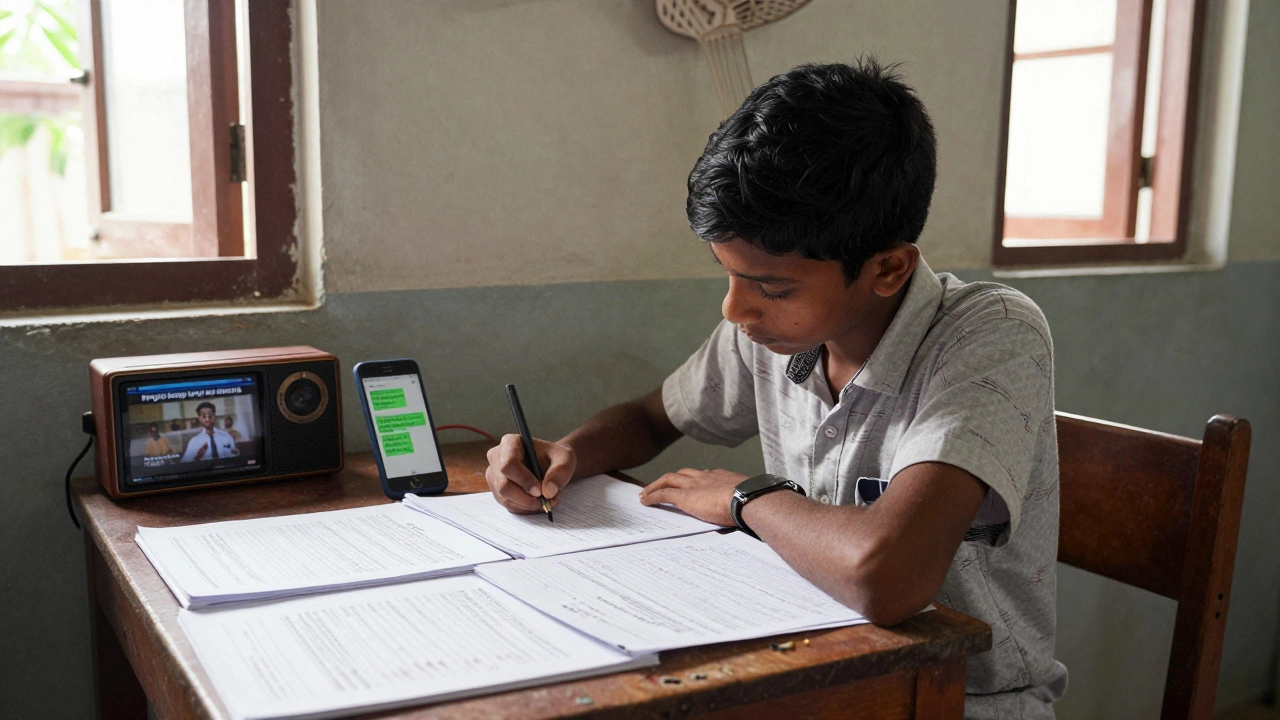
When you think of distance education, a way to learn without being physically present in a classroom, often through online platforms or mailed materials. Also known as remote learning, it’s become a lifeline for millions in India who can’t attend regular college due to work, family, or location. Whether you’re a working parent, a rural student, or someone switching careers, distance education lets you earn degrees, diplomas, and certifications on your own schedule.
It’s not just about watching videos. True online learning, structured education delivered digitally through platforms like LMS or MOOCs includes assignments, live sessions, exams, and even peer discussions. In India, institutions like IGNOU, Symbiosis, and Annamalai University have built entire systems around this model. You don’t need to be tech-savvy—many courses send printed study packs, offer helplines, and hold weekend counseling sessions. The goal? Make quality education accessible, not perfect.
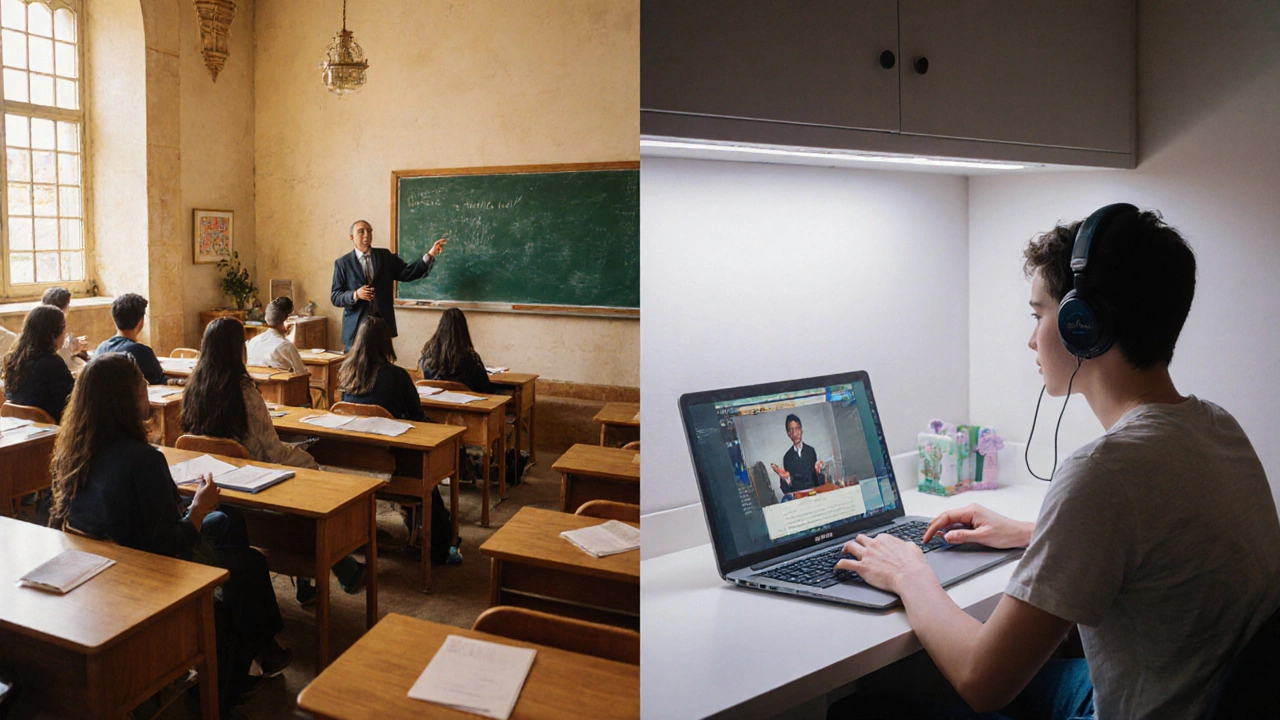
What makes distance education different from traditional college? Flexibility. You can study after your shift, during lunch breaks, or while caring for kids. But it’s not easier—it’s just different. You need discipline, time management, and the ability to stay motivated without daily classes. That’s why it works best for people who already know what they want to achieve. A nurse upgrading to a B.Sc. in Nursing, a shopkeeper learning digital marketing, or a teacher earning a B.Ed. remotely—all these are real stories from Indian learners.
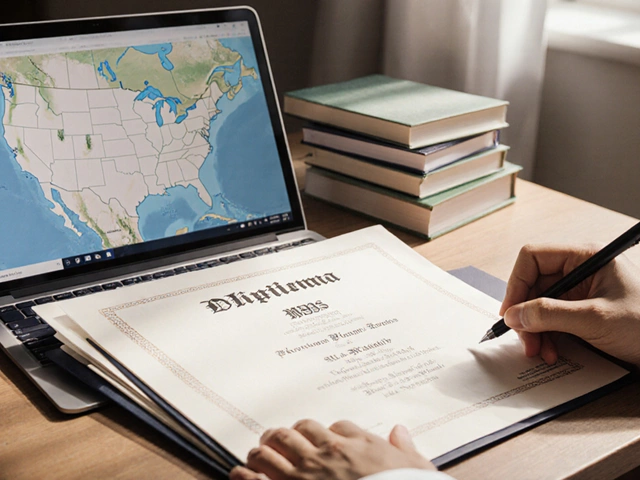
Not all degrees are treated equally. Some employers still prefer full-time degrees, especially in government jobs or top corporations. But that’s changing fast. With the rise of e-learning platforms, digital systems that host courses, track progress, and deliver assessments, even big companies now recognize certificates from UGC-recognized distance programs. The key? Make sure your course is approved by UGC-DEB or AICTE. Skip the diploma mills. Stick to known universities with real accreditation.
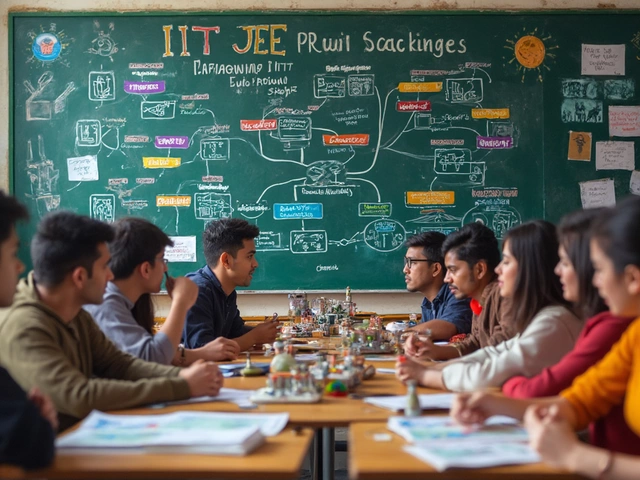
And it’s not just for adults. More school students are using distance learning to prepare for competitive exams like JEE or NEET through specialized online coaching. Others use it to learn coding, spoken English, or accounting—skills that boost their job chances without quitting their current work. The tools are simple: a smartphone, a stable internet connection, and the will to show up for yourself every day.
There’s no magic formula. Distance education won’t fix bad habits or replace hard work. But if you’re looking for a second chance, a career shift, or just a way to learn without uprooting your life, it’s one of the most practical options in India today. Below, you’ll find real stories, honest comparisons, and step-by-step guides on how to pick the right program, avoid scams, and make the most of your learning journey—no matter where you are.