What are the 4 Digital Platforms? A Guide to E-Learning Types
Discover the four main types of digital platforms in e-learning: LMS, MOOCs, Virtual Classrooms, and Marketplaces. Learn how each serves different educational goals.
When you think of e-learning platforms, digital systems that deliver courses and training over the internet. Also known as online learning platforms, they're the backbone of modern education—from school kids doing math drills to professionals earning certifications without leaving their homes. These aren’t just video libraries. They’re full systems that track progress, host quizzes, let teachers give feedback, and even connect learners with each other. In India, where access to quality education varies by region, e-learning platforms are leveling the playing field.
Behind most of these platforms is something called a LMS, a Learning Management System that organizes content, manages users, and handles assignments. It’s what schools and companies use when they need control and structure. Then there’s the MOOC, a Massive Open Online Course platform that lets anyone sign up for free courses from top universities. Think of it as open access—no enrollment limits, no fees, just learning. And don’t forget digital education, the broader movement that includes apps, gamified lessons, and live virtual classrooms. These tools are changing how people learn, whether they’re in Delhi, Dibrugarh, or a village with spotty internet.
Not all platforms are built the same. Some are made for schools, like Google Classroom, which lets teachers post assignments and grade papers online. Others are for adults looking to upskill, like platforms offering coding bootcamps or accounting certifications. Then there are the ones built for corporations, training employees on compliance or software. The key is matching the platform to your goal. If you’re a parent helping your child with homework, you need something simple and safe. If you’re a teacher starting out, you need tools that don’t require a tech degree to use. And if you’re running a training program, you need analytics and reporting that actually work.
What you’ll find below isn’t a list of the flashiest names. It’s a collection of real, practical guides written by people who’ve used these platforms—teachers who’ve struggled with tech glitches, students who’ve wasted time on bloated apps, and trainers who’ve built courses from scratch. You’ll learn what actually works in Indian classrooms, what’s overhyped, and how to avoid the common mistakes that make e-learning feel like a chore instead of a help. No marketing fluff. Just what you need to pick the right tool and get started.
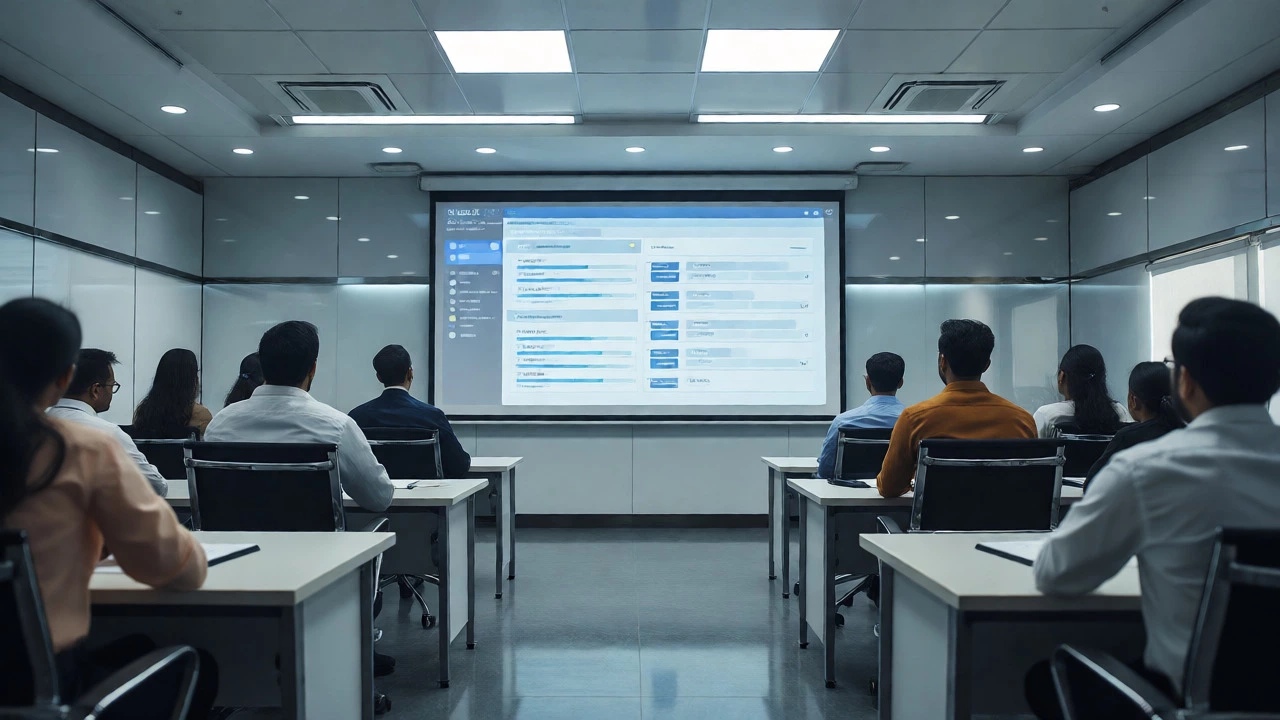
Discover the four main types of digital platforms in e-learning: LMS, MOOCs, Virtual Classrooms, and Marketplaces. Learn how each serves different educational goals.
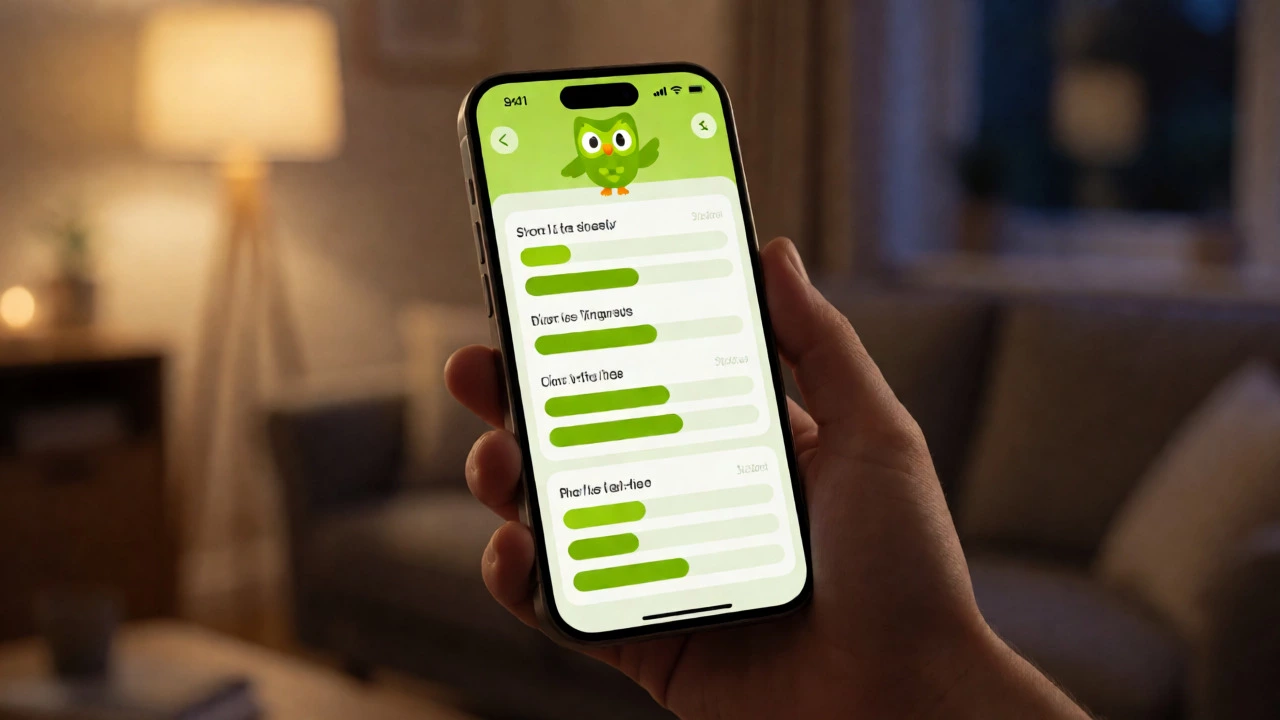
Discover the top learning app for your needs in 2026. Compare Duolingo, Coursera, and Udemy to find the best fit for languages, career skills, or academics.

Wondering if a Google Certificate leads to a job? We analyze hiring trends, employer perceptions, and real strategies to turn your new credential into a career offer.

Wondering if Coursera Plus is worth the monthly fee? We break down the real costs, compare it to Udemy and edX, and show you exactly who benefits from the subscription in 2026.

Struggling to choose the best online learning platform? Compare Coursera, Udemy, and more to find the right fit for your career goals, budget, and learning style in 2026.
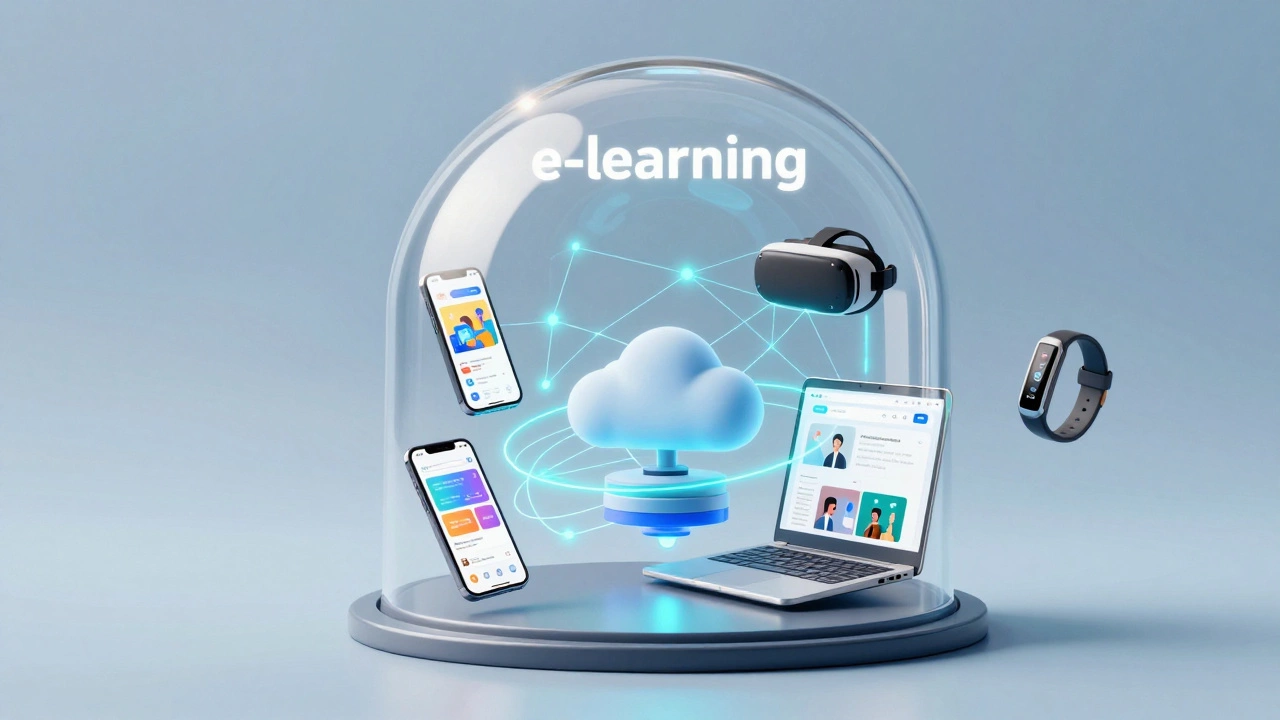
Explore the relationship between e-learning and mobile apps. Understand the difference between the method and the tool, covering LMS systems, web access, and offline capabilities.

eLearning platforms promise flexibility but fail to support learners with structure, feedback, and human connection. Real problems include isolation, poor engagement, and tech barriers-not lack of content.
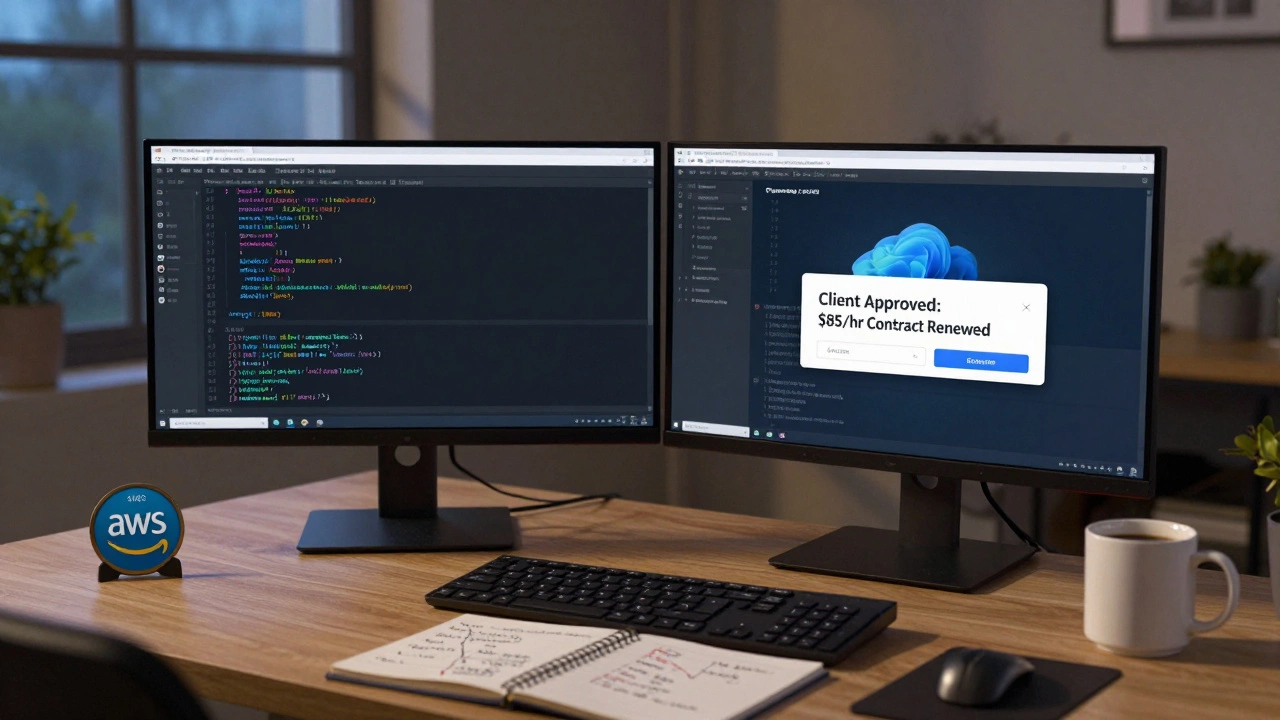
The highest paying online platform isn't Udemy or Coursera-it's Upwork, where skilled freelancers earn $100K+ annually by solving real business problems. Learn which skills pay most and how to start earning fast.

Netflix is a digital platform for streaming entertainment, not a true e-learning system. While it offers educational content, it lacks structure, assessments, and feedback that define real learning platforms.
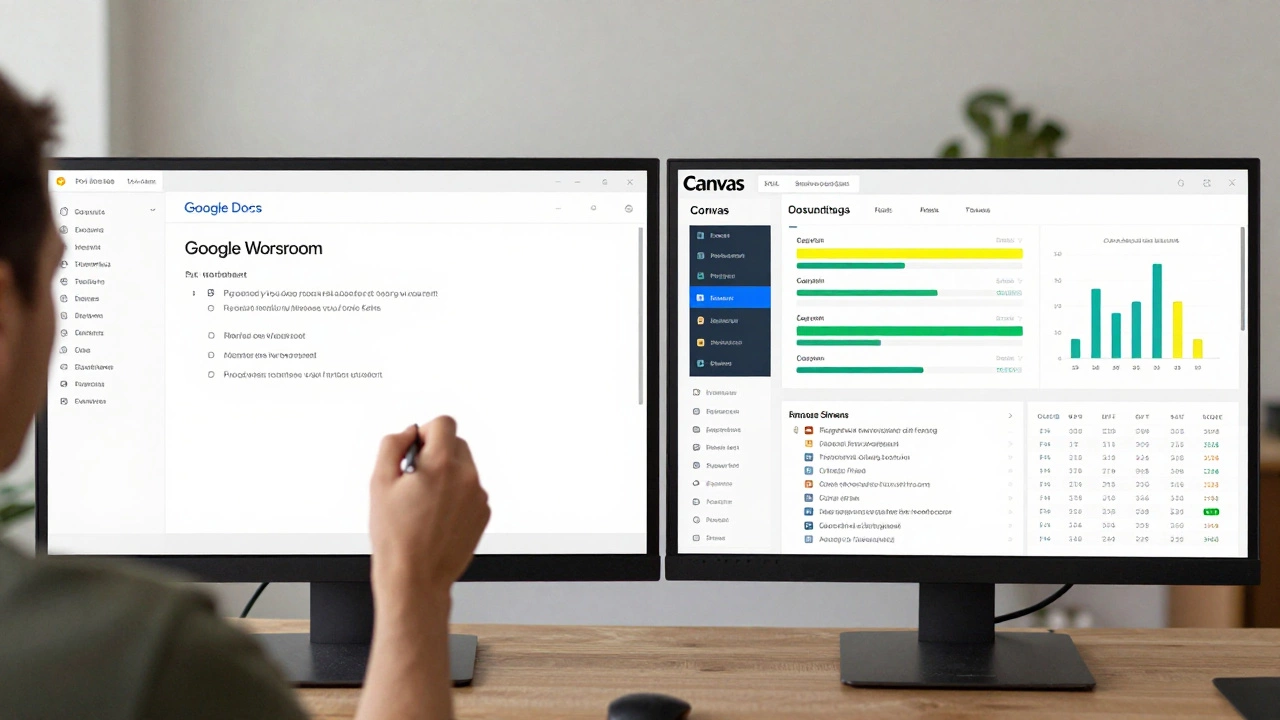
Google Classroom helps teachers assign and grade work, but it's not a full learning management system. Learn what it can and can't do compared to real LMS platforms like Canvas or Moodle.
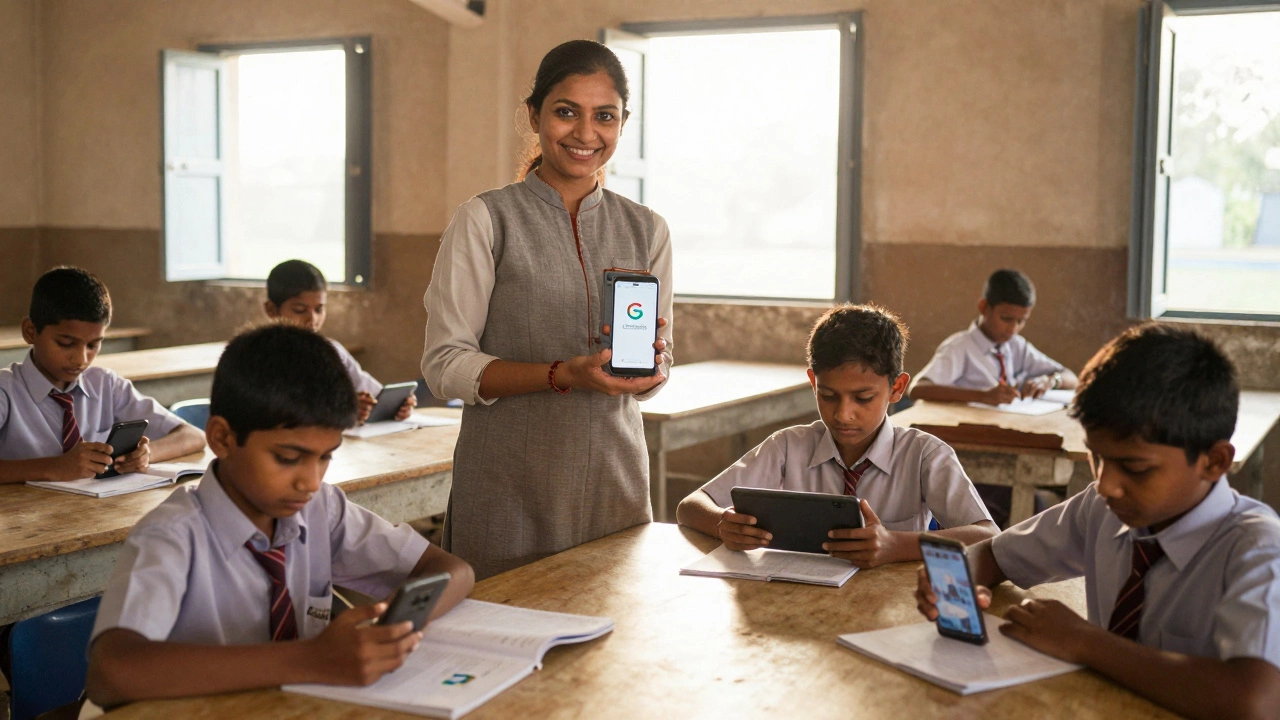
Google Classroom is the most used digital learning platform worldwide, trusted by over 150 million students and teachers for its simplicity, free access, and seamless integration with everyday tools like Gmail and Docs.
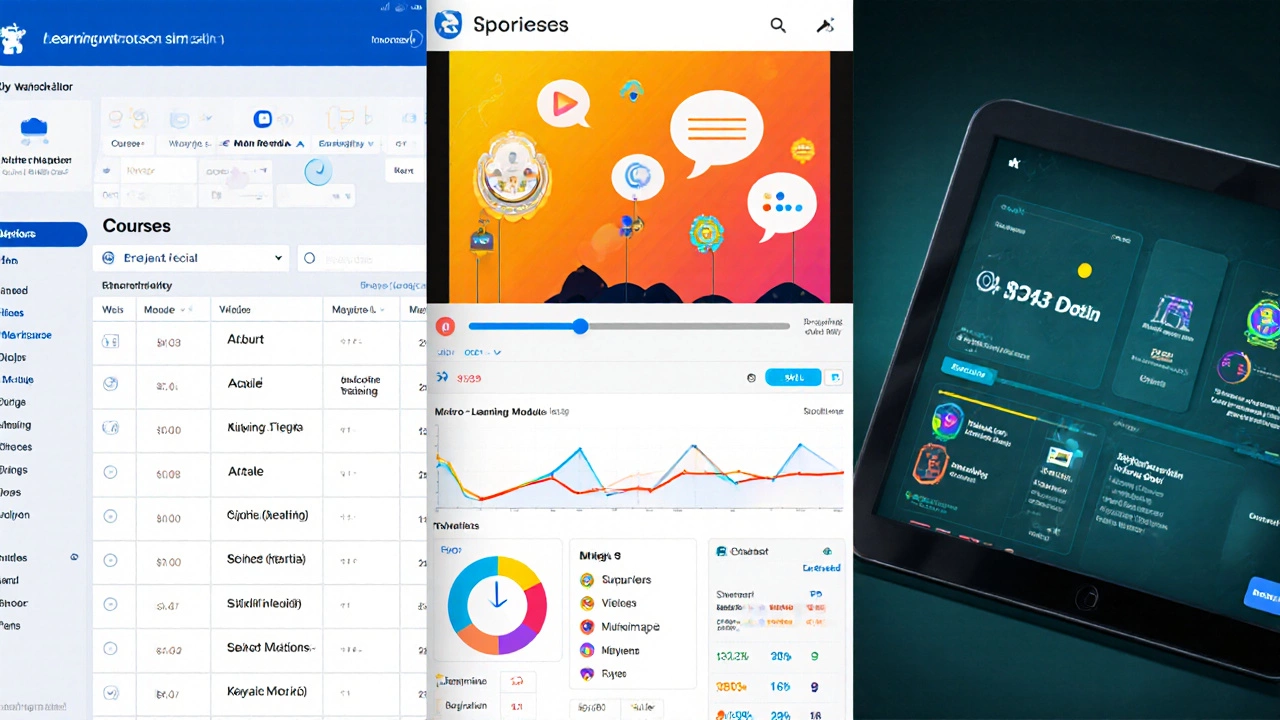
Explore the three main types of e‑learning platforms-LMS, MOOC, and corporate training solutions-learn their features, key differences, and how to choose the right one for your needs.