Trade Schools: What They Are, Why They Matter, and How They Change Careers
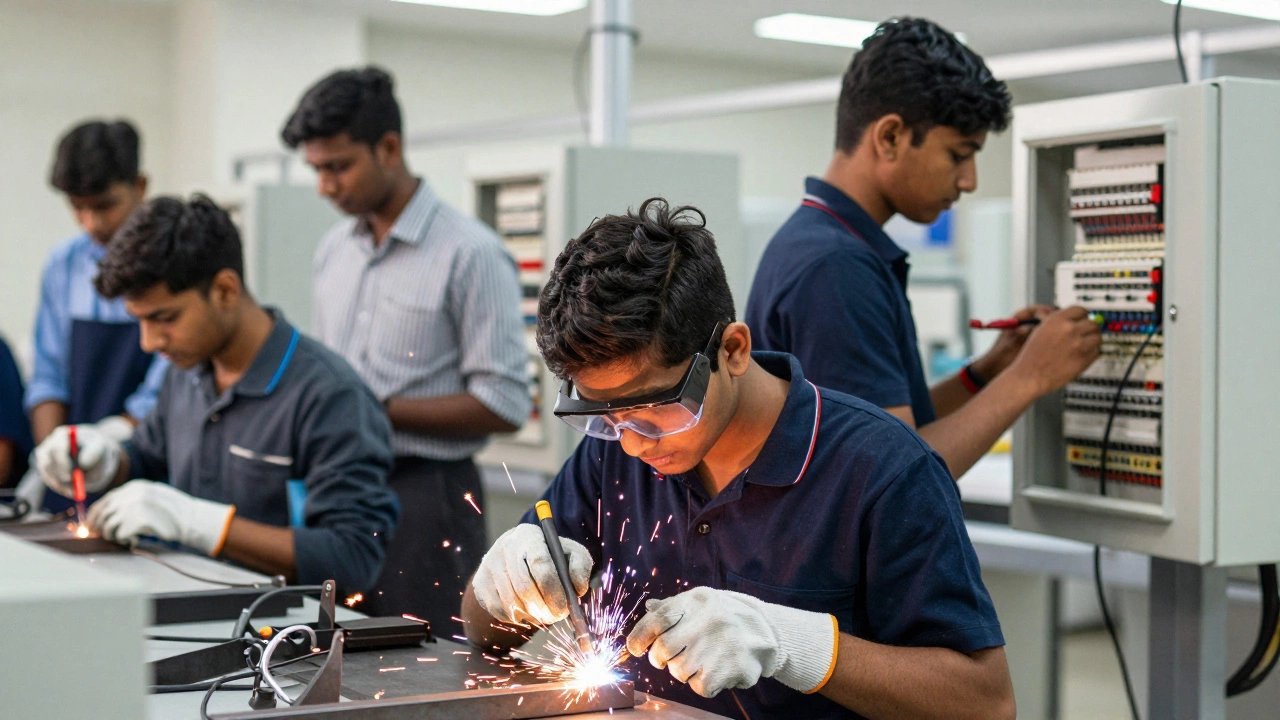
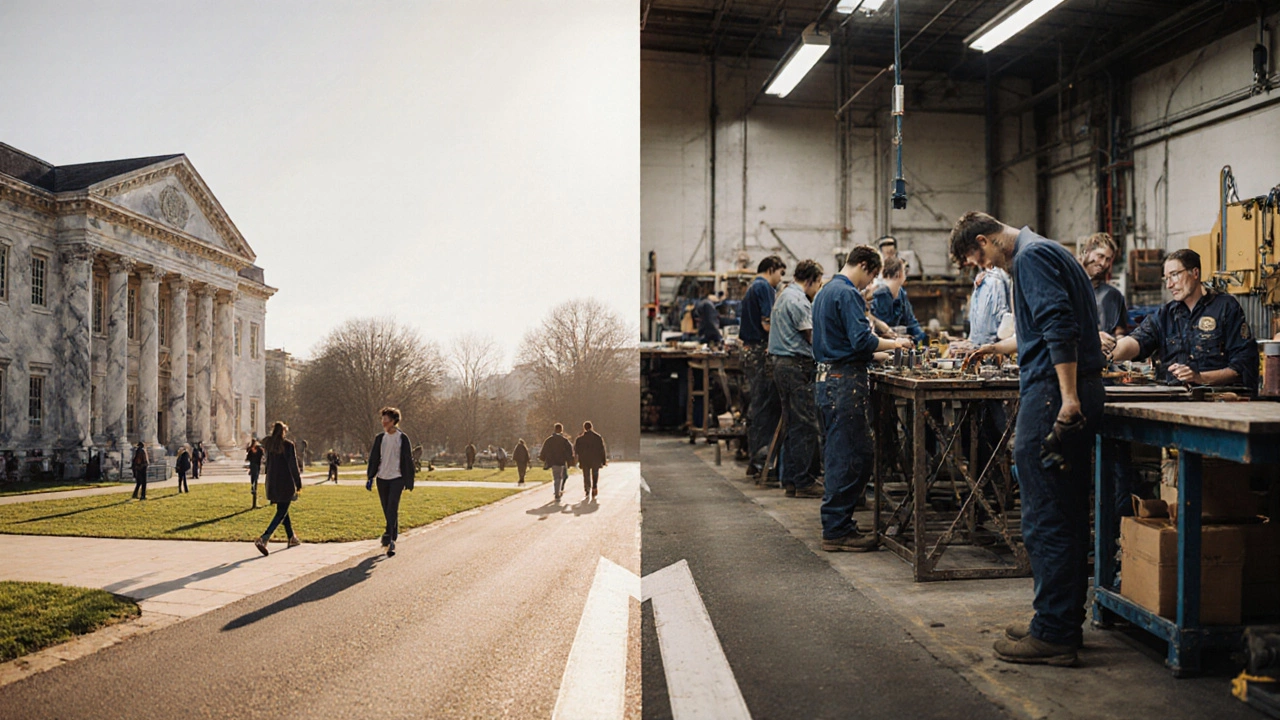
When you think of education, you might picture college campuses, lecture halls, and student loans. But there’s another path—trade schools, institutions that teach hands-on skills for specific careers. Also known as vocational schools, they train people to become electricians, plumbers, welders, HVAC technicians, and other skilled workers who keep our homes, cities, and industries running. These aren’t backup plans—they’re direct routes to stable, well-paying jobs with little to no student debt.
Unlike traditional degrees, vocational education, focused training for specific jobs usually takes less than two years. You learn by doing: wiring circuits, fixing engines, installing pipes, not just memorizing theories. Many programs partner with local businesses, so you’re not just studying—you’re building experience. And when you graduate, you don’t need to hunt for entry-level roles—you often walk straight into a job. The demand for these skills is growing fast. In fact, over 7 million skilled trade jobs in the U.S. and India are going unfilled right now because there aren’t enough trained workers.
Another big piece? apprenticeships, on-the-job training combined with classroom learning. Many trade schools work with unions and employers to offer these paid programs. You earn while you learn. No loans. No graduation debt. Just a paycheck and a trade you can take anywhere. This model works because it’s practical. It’s not about grades—it’s about competence. And employers know it.
These schools don’t just train hands—they change lives. A single parent can become a certified medical assistant in a year. A high school graduate can start earning $60,000 a year as a wind turbine technician. A veteran can transition into construction with a six-month certification. These aren’t rare stories—they’re everyday outcomes. And the best part? You don’t need straight A’s or a perfect SAT score. You just need the drive to show up, learn, and get your hands dirty.
What you’ll find below are real stories and facts about how trade schools work in India and beyond. You’ll see who benefits most, what programs actually pay off, and how to avoid the ones that don’t. Whether you’re a student wondering what comes after high school, a parent looking for alternatives to college, or someone thinking about a career change—this collection gives you the straight talk you need.