Is Google Classroom a LMS? Here's What It Really Does
Google Classroom helps teachers assign and grade work, but it's not a full learning management system. Learn what it can and can't do compared to real LMS platforms like Canvas or Moodle.
When teachers in small towns and big cities need to assign homework, share notes, or track student progress, many turn to Google Classroom, a free online platform built by Google to help educators manage assignments and communication. Also known as a learning management system, it’s one of the most widely used tools in Indian schools since the pandemic changed how education works. Unlike expensive software, Google Classroom works on any phone or laptop with internet. You don’t need to install anything. Teachers create a class, post assignments, and students turn in work—all in one place. No emails. No WhatsApp groups. Just clean, organized learning.
It’s not just about uploading PDFs. Teachers use it to give feedback on assignments, set deadlines, and even grade papers right inside the platform. Students get notifications when something’s due. Parents can sign in to see what’s happening in class—no need to ask their child every evening. In rural areas, where internet is slow, teachers post assignments early so students can download them offline. In metro cities, teachers link Google Meet directly to class posts for live sessions. It’s flexible. It’s free. And it’s used by over 10 million Indian students and teachers.
But it’s not perfect. Some schools still rely on printed worksheets because not every student has a reliable device. Others struggle with parents who don’t know how to log in. And while Google Classroom handles basics well, it doesn’t replace interactive learning. You can’t do live quizzes or group projects the same way you would in a physical classroom. Still, for schools that need a simple, no-cost way to keep learning going, it’s the go-to tool. It’s the bridge between old-school teaching and digital classrooms.
What you’ll find below are real stories from Indian educators and students who use Google Classroom every day. Some made it work with zero budget. Others fixed problems no one talked about. There’s no theory here—just what actually happens when you press ‘assign’ in a classroom in Patna, Pune, or Puducherry.
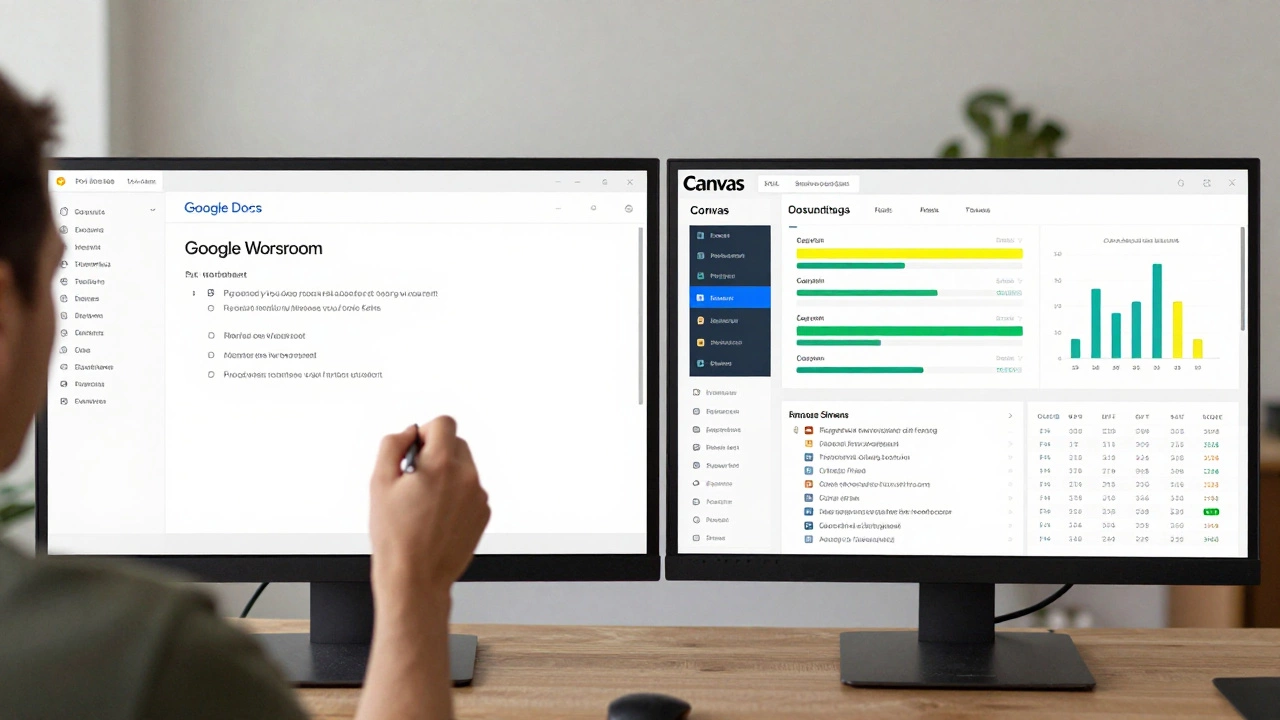
Google Classroom helps teachers assign and grade work, but it's not a full learning management system. Learn what it can and can't do compared to real LMS platforms like Canvas or Moodle.
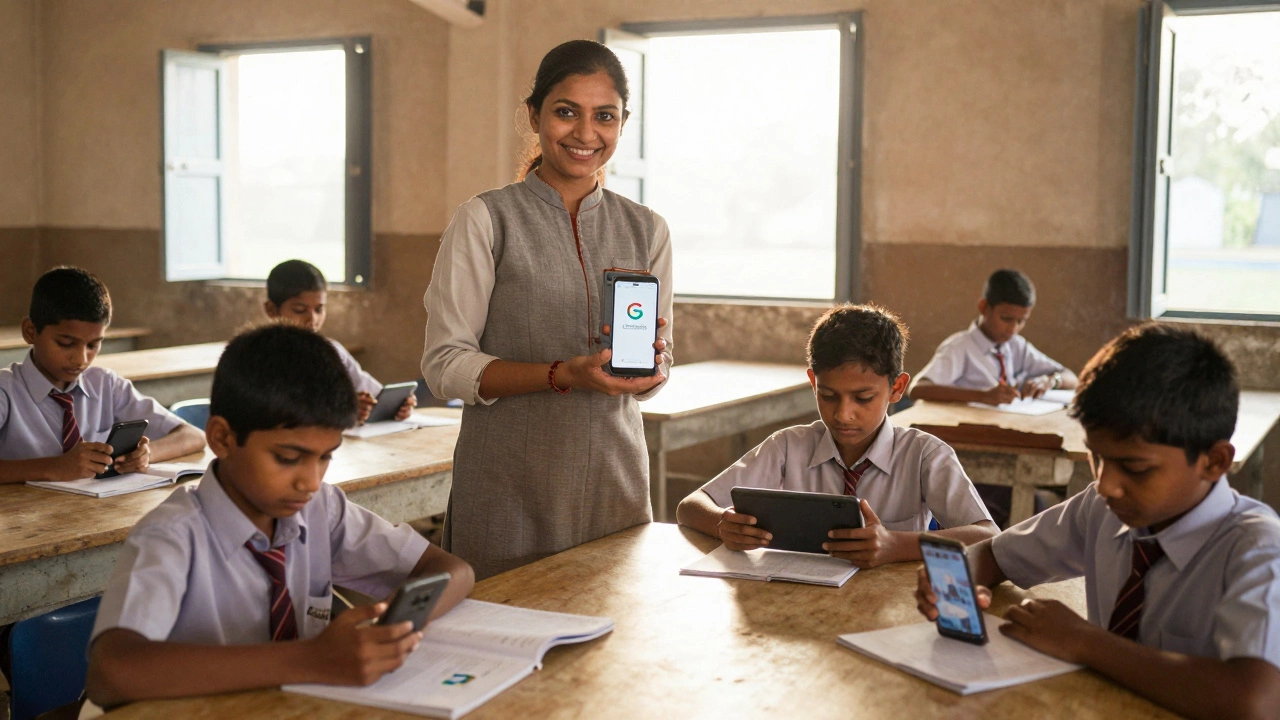
Google Classroom is the most used digital learning platform worldwide, trusted by over 150 million students and teachers for its simplicity, free access, and seamless integration with everyday tools like Gmail and Docs.
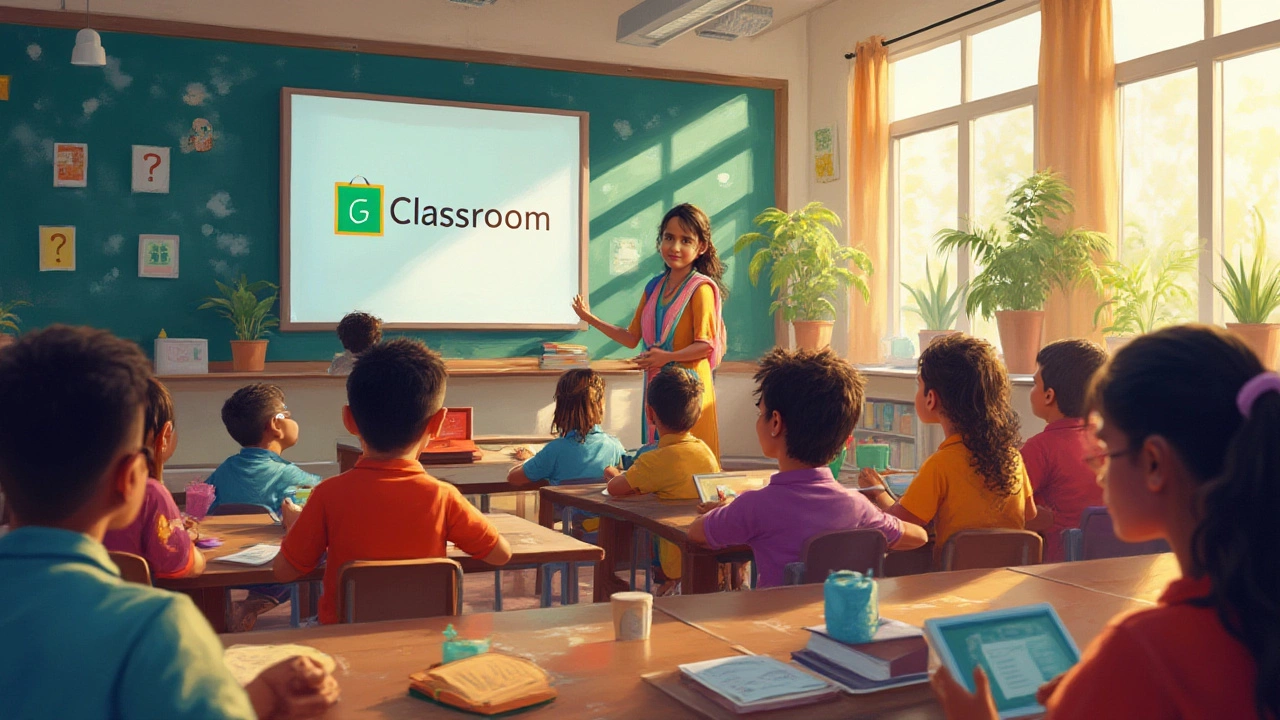
Curious if Google Classroom is going away? Get the facts on Google’s plans for its education platform, who’s affected, and what teachers should know in 2025.