


Can you really learn to speak English fluently in just 10 days? Most people say no. But if you’re willing to drop the idea of perfection and focus only on speaking, you can make shocking progress - even in a week. This isn’t about grammar rules or memorizing vocabulary lists. It’s about training your mouth, your ears, and your confidence to actually talk. No textbooks. No apps. Just real, daily practice that forces your brain to switch into English mode.
Day 1: Stop Thinking in Your Native Language
The biggest blocker to fluency isn’t vocabulary. It’s translation. Every time you try to say something in English, you’re mentally translating from your first language. That slows you down, makes you hesitate, and kills your rhythm. On day one, you stop translating. If you see a dog, say "dog" out loud. If you’re hungry, say "I’m hungry" - even if you’re alone. Record yourself saying simple sentences. Don’t edit. Don’t fix. Just hear how it sounds. Your brain will fight this at first. That’s normal. Push through. By bedtime, you’ve said at least 50 simple English sentences out loud. That’s 50 more than you did yesterday.Day 2: Learn Only What You’ll Use Today
Forget memorizing 100 words a day. You don’t need them. Instead, pick five phrases you’ll use today. Examples: "Can you repeat that?", "I don’t understand", "What does this mean?", "Let me try again", "Thank you for your help." Write them down. Say them 20 times each. Then, find one short video on YouTube - 3 minutes max - where someone uses these exact phrases. Watch it three times. First, with subtitles. Second, without. Third, shadowing. That means you speak along with the person, matching their rhythm, pauses, and tone. Don’t worry about being perfect. Be loud. Be awkward. You’re rewiring your speech muscles.Day 3: Talk to Yourself Like a Real Person
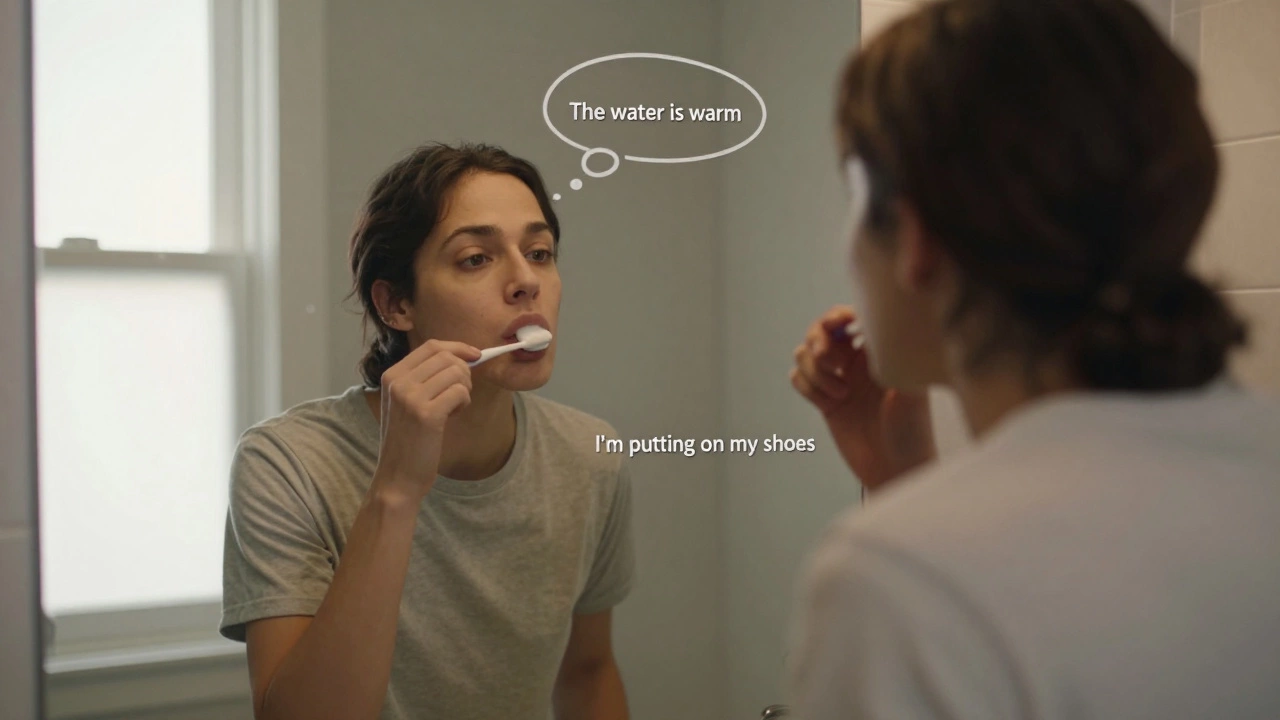
Start narrating your life in English. As you brush your teeth: "I’m brushing my teeth. The toothpaste tastes minty." As you make coffee: "I’m pouring hot water. The smell is strong." As you walk to the bus stop: "It’s cold today. I need a coat." This isn’t practice. It’s habit formation. Your brain learns language through repetition, not study. Do this for at least 30 minutes. Use simple words. Use present tense. Don’t worry about past or future. Just describe what’s happening right now. By the end of the day, you’ll notice you’re thinking in English without trying.Day 4: Find One Person to Talk To - No Matter What
You need real feedback. Not from a textbook. Not from an app. From a human. Find someone - anyone. A friend who speaks English. A stranger on a language exchange app. A teacher who offers free 10-minute chats. Tell them: "I’m trying to speak English for 10 days. Can we talk for 15 minutes? I won’t understand everything. I’ll make mistakes. Just correct me when I say something weird." Say the same five phrases from day two. Ask them to repeat them back slowly. Then, ask one question: "What did I say wrong?" Write it down. Practice that correction 10 times before bed. One conversation. One correction. That’s all you need.Day 5: Listen Like a Detective
Pick one English podcast or YouTube channel that talks about everyday life - not news, not lectures. Just people chatting. Listen for 20 minutes. Don’t try to understand everything. Focus on one thing: how they pause. Where they stress words. How they link sounds. Say "I want to" becomes "I wanna." "Do you want to" becomes "D’you wanna." These are the real rules of spoken English. Write down three phrases you hear. Say them out loud. Now say them like the speaker did - with the same rhythm, the same drop in tone. Your accent doesn’t matter. Your rhythm does.
Day 6: Speak Without Fear - Even If You Sound Stupid
Today, you speak even when you’re scared. Walk into a coffee shop. Order in English. Say: "One black coffee, please." If they ask "Any sugar?" say "No, thank you." If they say "That’s £3.50," say "Here you go." Don’t overthink. Don’t apologize. If you mess up, smile and try again. Most people won’t care. They’ll be impressed you tried. This is the moment your confidence builds. You’re not learning English. You’re learning to be brave. Do this three times today. Each time, you feel a little less nervous.Day 7: Build Your Own Script
Write down five real situations you’ll face in the next week. Examples: asking for directions, ordering food, introducing yourself at a meeting, asking a neighbor for help, making a phone call. For each, write 3-5 sentences you’ll say. Practice them until they sound natural. Not perfect. Natural. Record yourself. Play it back. Fix the parts that sound stiff. Now, say them out loud while walking. While cooking. While waiting in line. You’re not memorizing. You’re building muscle memory. By the end of the day, you’ll be able to say these without looking at your notes.Day 8: Talk for 10 Minutes Straight
Set a timer. Talk non-stop for 10 minutes. About anything. Your day. Your favorite food. Your last vacation. Your dog. Your job. Don’t stop. Don’t pause. If you get stuck, say "I mean..." or "Like..." and keep going. Record it. Listen later. You’ll hear mistakes. You’ll hear filler words. You’ll hear awkward pauses. That’s okay. You’re not being graded. You’re proving something to yourself: you can keep talking. That’s fluency. Fluency isn’t perfect grammar. It’s the ability to keep going when you’re unsure.Day 9: Simulate Real Conversations
Find a friend or use a free app like Tandem or HelloTalk. Ask them to ask you five questions. Examples: "What’s your favorite way to relax?", "Tell me about a time you got lost.", "Why did you start learning English?" Answer each one out loud. Don’t write answers first. Speak. If you freeze, say "Let me think for a second." Then continue. After each answer, ask them: "Did that sound natural?" Write down one thing they say to improve. Do this five times. You’ll get feedback, not correction. You’ll learn what real people actually say - not what textbooks teach.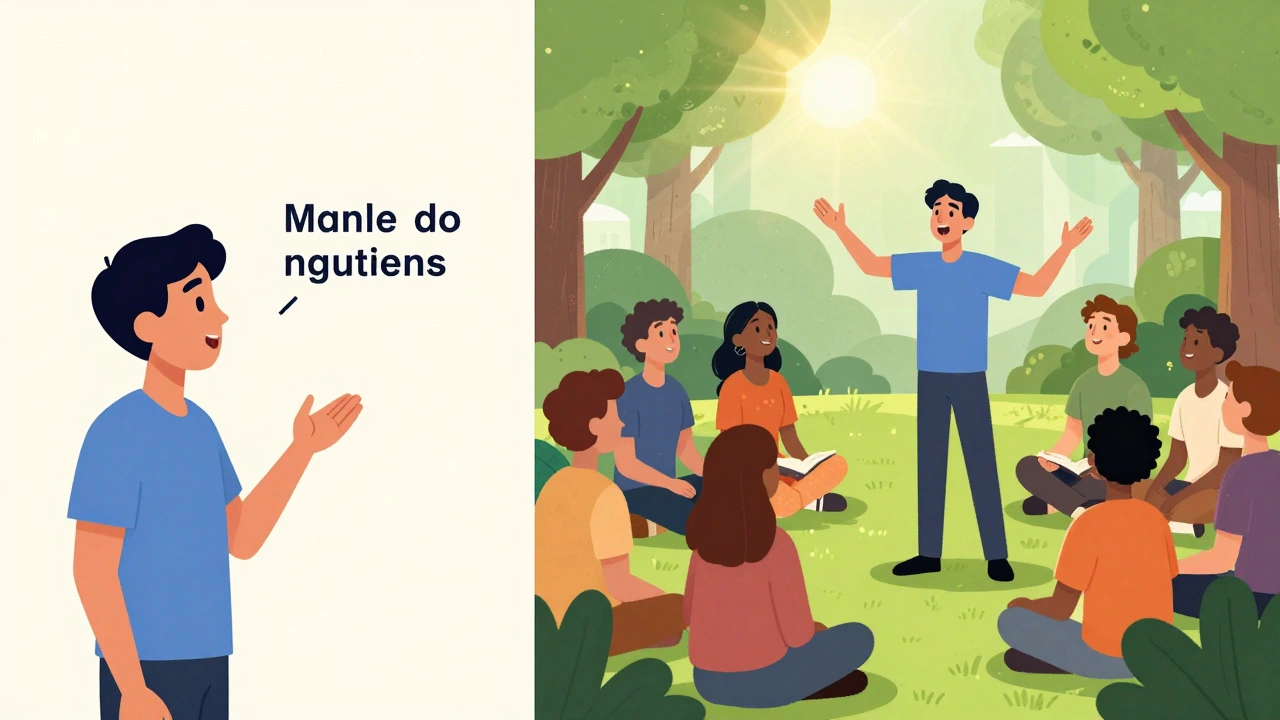
Day 10: Speak Like You Mean It
Today, you don’t practice. You communicate. You have one real conversation. It could be with a colleague, a classmate, a stranger, or a language partner. You’re not there to show off. You’re there to connect. Use everything you’ve practiced. If you forget a word, describe it. "It’s that thing you use to open bottles." If you make a mistake, laugh and keep going. Don’t say "Sorry." Just say it again. At the end, ask: "Did I make sense?" If they say yes - you’re fluent. Not perfect. Not native. But fluent. You can speak. You can be understood. You can hold a conversation. That’s all that matters.What Fluency Really Means
Fluency isn’t knowing 10,000 words. It’s not speaking without an accent. It’s not never making mistakes. Fluency means you can say what you mean, when you mean it - without stopping to think. You don’t need to be perfect. You just need to be heard. And after 10 days of this kind of daily, focused, no-excuses practice, you will be.What Not to Do
Don’t spend hours memorizing vocabulary lists. You’ll forget them by tomorrow. Don’t watch hour-long lessons. You’re not learning to study. You’re learning to speak. Don’t wait until you’re "ready." You’ll never be ready. Start now. Speak now. Even if it’s wrong. Even if it’s messy. Even if you feel silly. That’s the only way it works.Keep Going After Day 10
Ten days is just the start. After this, keep talking every day. Find one new person to speak with each week. Watch one English movie without subtitles. Join a local conversation group. Keep recording yourself. Keep listening. Keep speaking. Fluency isn’t a destination. It’s a habit.Can I really speak English fluently in 10 days?
Yes - if you define fluency correctly. Fluency doesn’t mean sounding like a native speaker. It means being able to hold a conversation without stopping to translate. In 10 days of focused speaking practice, you can reach that level. You won’t know every word. You’ll still make mistakes. But you’ll be understood. And that’s the point.
Do I need to learn grammar first?
No. You learn grammar by speaking, not by studying rules. Focus on how people actually talk. Notice how they shorten phrases: "I am" becomes "I’m," "do not" becomes "don’t." You’ll pick up grammar naturally when you hear and repeat real speech. Save grammar books for later - after you can already talk.
What if I don’t have anyone to speak with?
Talk to yourself. Record your voice. Use free language apps like Tandem or HelloTalk to connect with native speakers who want to learn your language. Many people are happy to swap 10 minutes of English for 10 minutes of your language. You don’t need a teacher. You just need a partner - even a stranger online.
Should I use an app to learn English?
Apps are useful for vocabulary and listening - but not for speaking fluency. They can’t correct your rhythm, your tone, or your hesitation. Use them for background practice. But real fluency comes from talking out loud, making mistakes, and trying again. No app can replace that.
What’s the biggest mistake people make?
Waiting to be perfect. Most people spend months memorizing words, studying grammar, and practicing in their heads. But they never speak out loud - because they’re afraid of sounding stupid. The truth? Everyone sounds stupid at first. The fastest learners are the ones who speak even when they’re wrong. Don’t wait. Start now.