The Fastest Way to Learn English: A Practical Guide for Rapid Fluency
Discover the fastest strategies to learn English fluently. This guide covers total immersion, shadowing techniques, and practical tools for rapid language acquisition in 2026.
When you're trying to become fluent in English fluency, the ability to speak English smoothly, naturally, and without constant translation from your native language. Also known as spoken English proficiency, it's not about memorizing grammar rules—it's about building habits that let your brain switch into English mode automatically. Most people think fluency means knowing a lot of words, but it’s really about using what you know without hesitation. You don’t need to sound like a news anchor. You just need to be understood—and understand others—without freezing up.
Real fluency comes from daily exposure and low-pressure practice. It’s not about taking expensive courses or waiting for the perfect moment. It’s about talking to yourself in the mirror, repeating phrases from podcasts while walking, or using a English speaking app, a mobile tool designed to help users improve pronunciation, build vocabulary, and simulate real conversations. Also known as language learning app, these apps give you instant feedback and make practice feel like a game, not homework. The best learners aren’t the ones who studied the most—they’re the ones who spoke the most, even when they made mistakes. Fluency grows when you stop fearing errors and start using English as a tool, not a test.
What holds most people back isn’t their vocabulary—it’s their mindset. They wait to speak until they’re "ready." But there’s no such thing as ready. You become fluent by doing, not by planning. You’ll find posts here that show you how to practice at home for free, which apps actually move the needle, and how to turn everyday moments—like commuting or cooking—into English practice sessions. You’ll also see what separates people who finally speak confidently from those who stay stuck for years. It’s not talent. It’s consistency.
There’s no magic trick. No secret syllabus. Just real strategies used by people who went from nervous to natural. Whether you’re preparing for a job interview, studying abroad, or just want to watch movies without subtitles, these tips are built for your life—not a classroom. Below, you’ll find clear, no-fluff guides on how to speak up, think faster, and finally feel comfortable in English—without spending a rupee on classes.
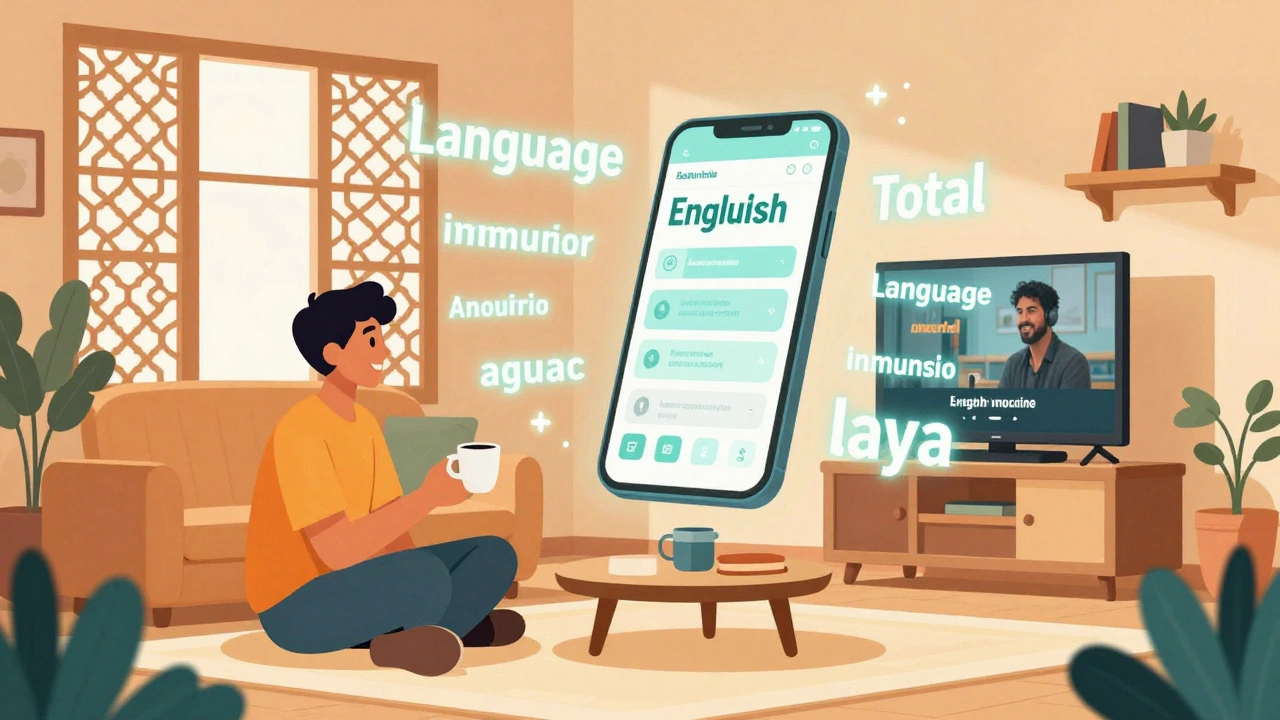
Discover the fastest strategies to learn English fluently. This guide covers total immersion, shadowing techniques, and practical tools for rapid language acquisition in 2026.

Learn how to speak English fluently in 10 days with daily, practical steps focused on real speaking - not grammar or memorization. No fluff. Just actionable habits that work.
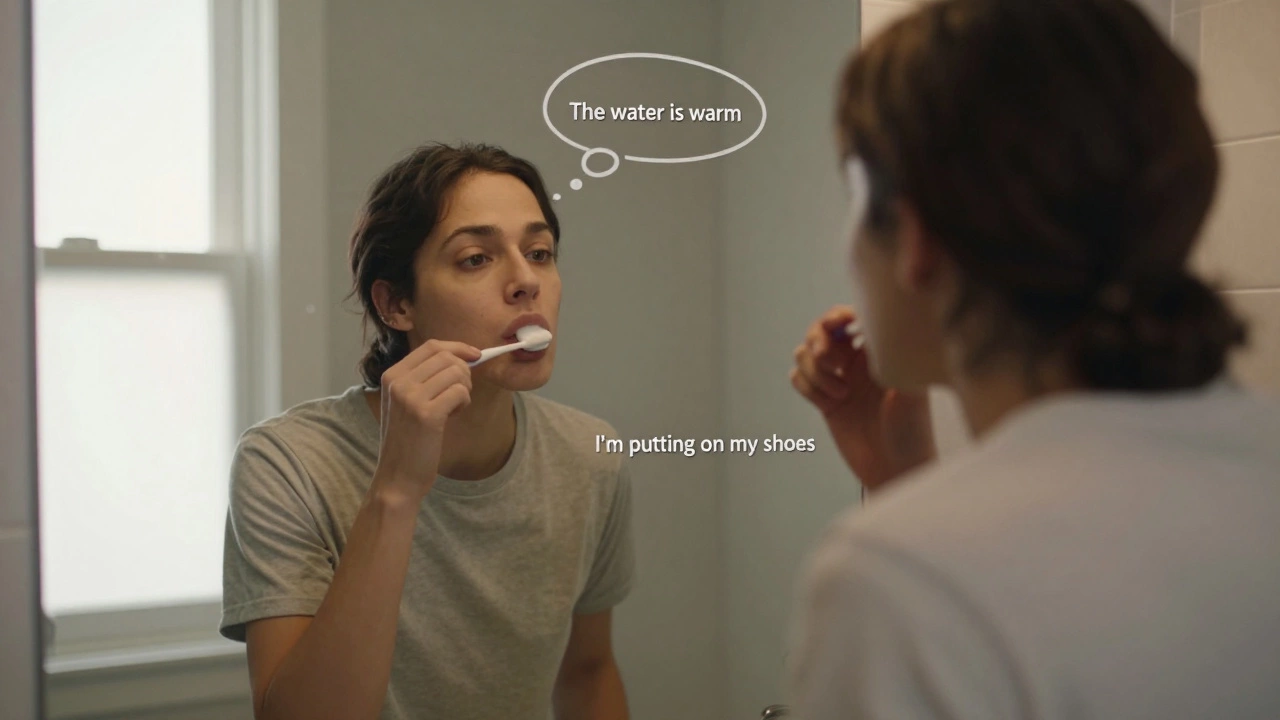
Learn how to train your brain to speak English confidently through daily practice, mindset shifts, and real-life speaking habits-not grammar drills or perfect pronunciation.