How Many IITs Are There in India? Complete Guide to Indian Institutes of Technology
Curious about how many IITs exist in India today? Get all the latest facts, updates, and intriguing details in this reliable, easy-to-follow overview.
When people talk about the IIT list, India’s most prestigious engineering institutions that admit students through the JEE Advanced exam. Also known as the Indian Institutes of Technology, these schools are where top scorers in the JEE Advanced end up—and where the real competition begins. There are 23 IITs across India, each with its own campus, culture, and specialization. But they all share one thing: they only take the top 0.1% of JEE Advanced candidates. That’s not a guess—it’s a fact. In 2023, over 2 million students took JEE Main, but only about 25,000 qualified for JEE Advanced. Of those, fewer than 18,000 got into any IIT. The numbers don’t lie.
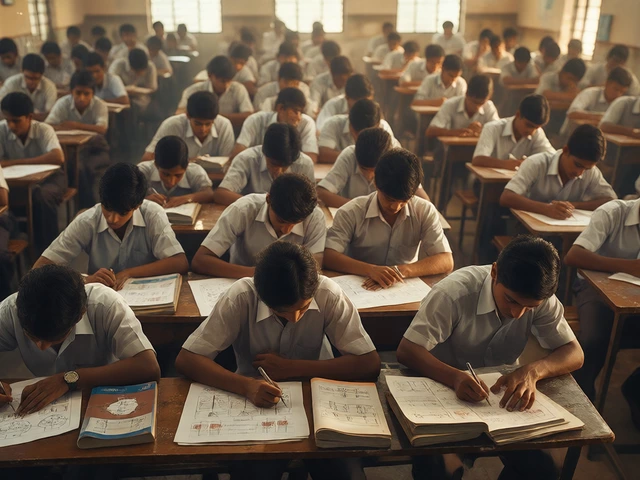
The JEE Advanced, the highly selective entrance exam required for admission to all IITs. Also known as the IIT JEE, it’s not just hard—it’s designed to separate those who memorize from those who think under pressure. The exam tests problem-solving speed, conceptual clarity, and mental stamina. It doesn’t care if you studied 12 hours a day. It only cares if you solved the right problem in the right way, in under two minutes. And yes, this is the same exam that students in small towns and rural areas crack every year, often with fewer resources than their urban peers. The IIT admission process doesn’t stop at the exam. Your rank determines which IIT and which branch you get. Top ranks get Computer Science at IIT Bombay. Lower ranks might end up in Civil Engineering at IIT Bhubaneswar. There’s no second chance. No waiting list. No appeals. Just rank, choice, and seat allotment. And once you’re in, the pressure doesn’t drop. The dropout rate in first year is real—nearly 1 in 5 students leave, not because they’re dumb, but because the pace is brutal.
What do the IITs actually offer? Top placements, global recognition, and alumni networks that open doors worldwide. But they also demand sacrifice. Sleepless nights, missed family events, endless practice papers. The IIT list isn’t just a list of colleges—it’s a filter for a certain kind of grit. And if you’re on the path to cracking JEE Advanced, you’re not just studying for an exam. You’re training for a mindset that values precision over passion, consistency over charisma.
Below, you’ll find real insights from students who made it—and those who didn’t. You’ll see what actually gets you through JEE Advanced, how the IITs differ beyond rankings, and why some students with lower scores still end up ahead in life. No fluff. No hype. Just what works.

Curious about how many IITs exist in India today? Get all the latest facts, updates, and intriguing details in this reliable, easy-to-follow overview.