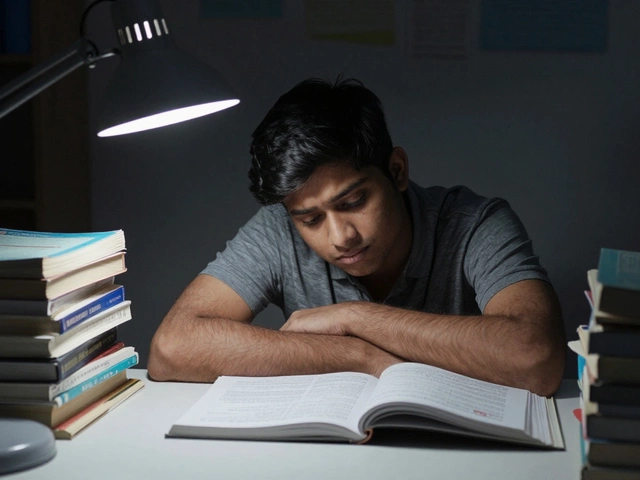
Exam Stress: How to Handle Pressure in India’s Competitive Exams
When you’re studying for hours every day, skipping sleep, and feeling like one mistake could ruin everything, you’re not just tired—you’re dealing with exam stress, the mental and emotional strain caused by high-stakes testing environments. It’s not just nerves. It’s the weight of family expectations, societal pressure, and the fear that your entire future hangs on a single score. In India, where exams like JEE Mains, the entrance test for top engineering colleges, UPSC CSE, the civil services exam that selects IAS officers, and Gaokao, China’s national college entrance exam, often compared to India’s toughest tests decide careers, this stress isn’t rare—it’s normal.
What makes exam stress worse isn’t just the difficulty of the test. It’s the isolation. Students often study alone, with no one to talk to about panic attacks, burnout, or the shame of failing a mock test. Parents push for top ranks. Teachers focus on results, not resilience. Coaching centers sell hope, not mental health tools. And when you’re told "one exam defines your life," it’s easy to forget that millions of people fail, retry, and still build successful lives. The real problem isn’t the syllabus—it’s the system that treats students like machines, not humans.
But here’s the truth: stress doesn’t have to control you. You don’t need to be a robot to pass. You just need to understand your limits, recognize the signs of burnout, and know what actually helps—like sleep, movement, and talking to someone who gets it. The posts below show real stories from students who cracked JEE after breakdowns, cleared UPSC after multiple failures, and survived Gaokao-level pressure without losing themselves. They didn’t do it by studying harder. They did it by learning how to breathe, reset, and keep going. What you’re about to read isn’t about how to ace exams. It’s about how to survive them—and come out stronger.