The Fastest Way to Learn English: A Practical Guide for Rapid Fluency
Discover the fastest strategies to learn English fluently. This guide covers total immersion, shadowing techniques, and practical tools for rapid language acquisition in 2026.
When you’re trying to get better at English speaking courses, structured programs designed to help non-native speakers develop clear, confident spoken English. Also known as spoken English training, these courses focus less on grammar rules and more on real conversations, pronunciation, and listening skills. In India, where English is a key to jobs, higher education, and global opportunities, not all courses deliver results. Many waste your time with textbook drills. The best ones? They make you talk—right from day one.
What makes a course actually work? It’s not the brand name or the number of students. It’s whether you’re forced to speak, get feedback, and repeat until it clicks. Top learners use language learning apps, mobile tools that offer daily speaking exercises, AI-powered feedback, and real-time conversation practice like ELSA Speak or Duolingo English Test. These aren’t replacements for live practice, but they’re perfect for building confidence between sessions. You also need English fluency, the ability to express thoughts naturally without translating word-for-word from your native language. That doesn’t come from memorizing phrases. It comes from hearing how native speakers connect ideas, use pauses, and adjust tone. The most effective courses include role-playing real-life situations—job interviews, ordering food, asking for directions—so your brain learns to respond, not just recite.
Most Indian learners struggle with fear, not ability. You don’t need a perfect accent. You need clarity. The best courses help you speak slowly enough to be understood, not fast enough to sound like a movie star. They teach you to fix common mistakes—like mixing up "th" sounds or overusing filler words—without making you feel stupid. And they don’t assume you’re starting from zero. Whether you’ve studied English for years but still freeze in meetings, or you’re just beginning, the right course meets you where you are.
Below, you’ll find real reviews and comparisons of the tools, apps, and programs that Indian students actually use to break through their speaking barriers. No fluff. No promises of fluency in 7 days. Just what works, what doesn’t, and how to pick the one that fits your life.
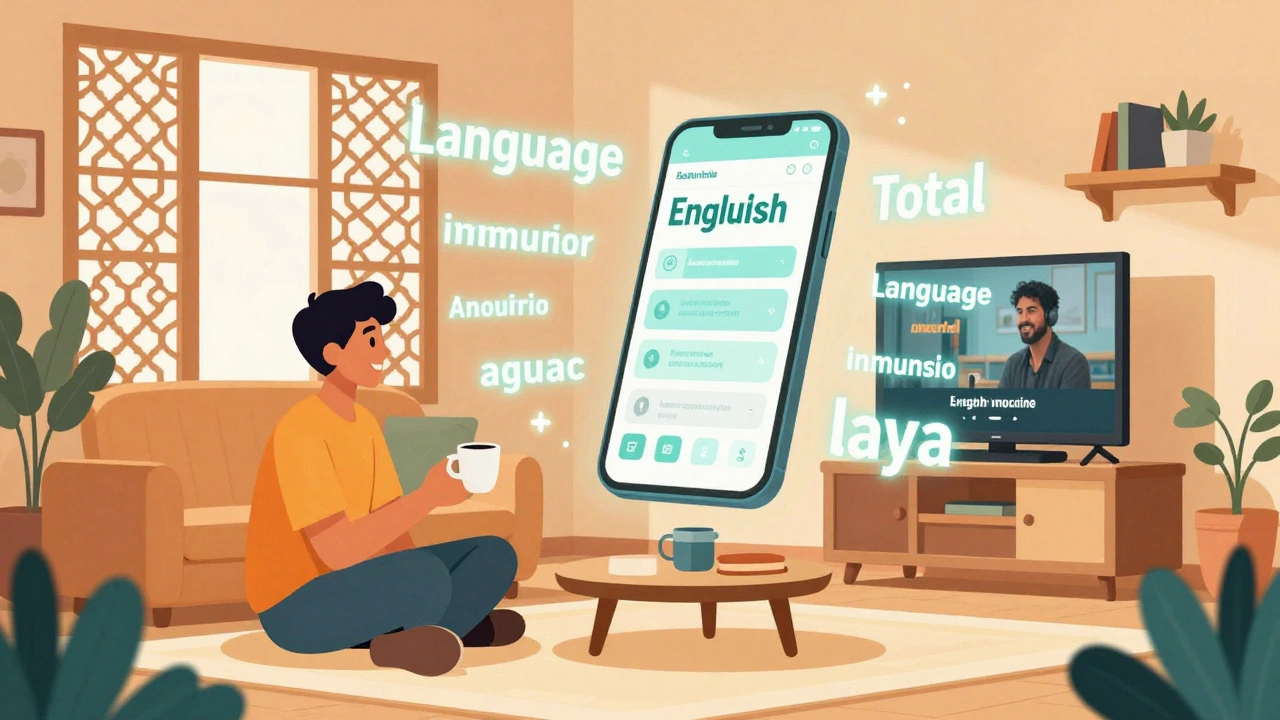
Discover the fastest strategies to learn English fluently. This guide covers total immersion, shadowing techniques, and practical tools for rapid language acquisition in 2026.

Discover the best YouTube channels for spoken English in 2026. We compare top educators like English with Lucy and BBC Learning English to help you find the right fit for your goals.

Struggling to speak English fluently? You're not alone. This article breaks down hands-on strategies to fast-track your English speaking skills without feeling overwhelmed. We'll cover why listening matters more than you think, easy ways to practice daily even if you're busy, and real tricks that move you past awkward silences. Whether you're prepping for an interview, relocating, or just want to chat confidently, these ideas cut the guesswork from your learning routine.