Three Main Types of E‑Learning Platforms Explained
Explore the three main types of e‑learning platforms-LMS, MOOC, and corporate training solutions-learn their features, key differences, and how to choose the right one for your needs.
When companies need to teach new skills to their teams, they turn to a corporate training platform, a digital system designed to deliver, track, and manage employee learning. Also known as a learning management system (LMS), it’s not just another software tool—it’s the backbone of modern workplace development. Think of it like an online classroom built just for your team, where employees take courses, finish quizzes, track progress, and get certified—all without leaving their desks.
These platforms aren’t just for tech companies or big corporations. Small businesses, hospitals, retail chains, and even government offices use them to train staff on compliance, safety, software tools, leadership, and customer service. A good corporate training platform connects what employees need to know with how they actually learn. It’s not about forcing people to sit through boring videos. It’s about giving them bite-sized lessons, real-world scenarios, and feedback they can use right away. The best ones adapt to different roles—sales teams get negotiation training, IT staff get cybersecurity modules, and managers get leadership workshops—all in one place.
What makes these platforms powerful is how they tie learning to results. Companies don’t just want employees to finish a course—they want them to apply it. That’s why top platforms track completion rates, quiz scores, and even performance changes after training. If a sales team’s conversion rate goes up after a communication module, the platform shows that link. It turns training from a cost center into a measurable investment.
And it’s not just about content delivery. Modern platforms include features like peer discussions, mobile access, progress dashboards, and AI-driven recommendations. If someone struggles with a module on Excel formulas, the system might suggest a quick refresher video or a practice exercise. If a manager keeps finishing leadership courses early, the platform might suggest advanced topics like conflict resolution or change management. It learns what works for each person.
Behind every effective corporate training platform is a simple idea: people learn better when training is relevant, accessible, and continuous. You don’t need a huge budget or a dedicated HR team to make it work. Many platforms start with pre-built courses on common topics—like harassment prevention, data privacy, or project management—and let companies customize them later. The goal isn’t to replace human mentors. It’s to give them better tools so they can focus on coaching, not paperwork.
What you’ll find below are real stories and data about how companies use these platforms to fix skill gaps, reduce turnover, and build stronger teams. Some posts show what happens when training is done right. Others reveal the mistakes that waste time and money. Whether you’re an HR professional, a team leader, or just someone trying to understand how your company teaches new skills, this collection gives you the practical truth—not the hype.
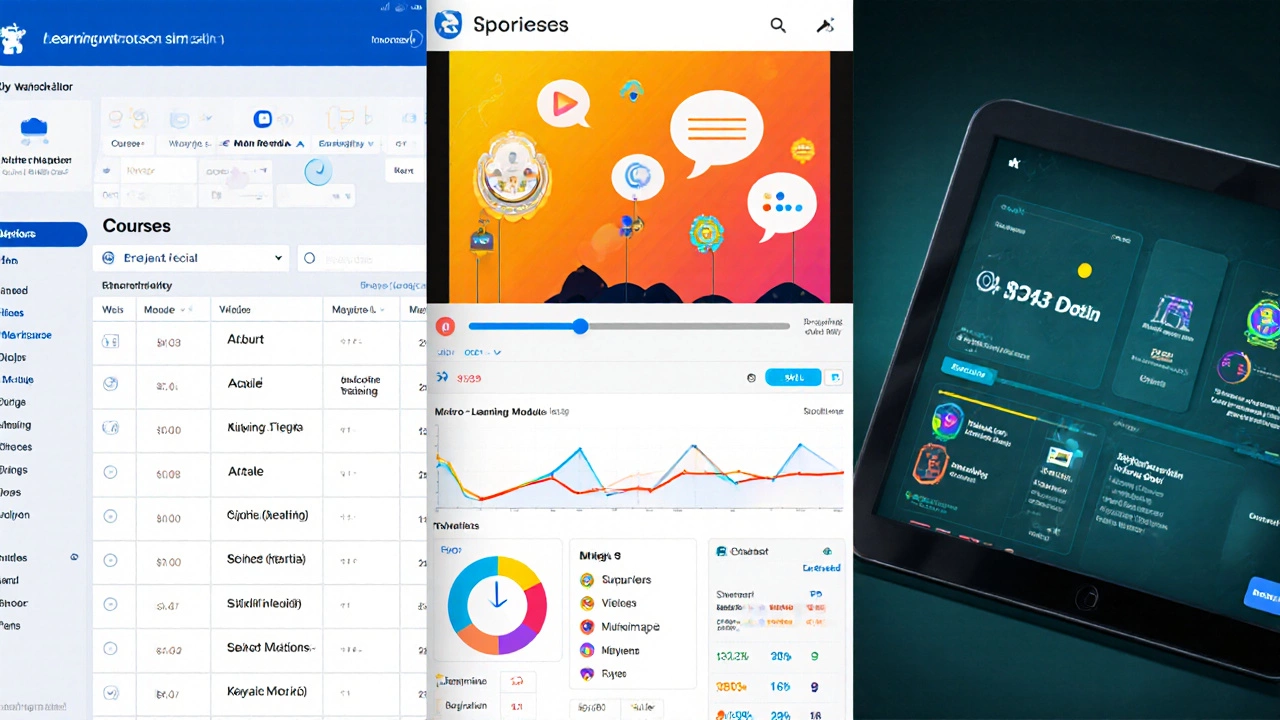
Explore the three main types of e‑learning platforms-LMS, MOOC, and corporate training solutions-learn their features, key differences, and how to choose the right one for your needs.