How to Set Up an Effective Learning Station at Home
Learn how to create a functional learning station at home with step‑by‑step guidance on space, furniture, lighting, tech, and organization for any age.
When you’re studying for JEE, NEET, or UPSC, your study space design, a physical environment built to support deep focus and consistent learning. Also known as a learning zone, it’s not just a desk and chair—it’s the silent partner in your preparation. If your space is cluttered, noisy, or poorly lit, your brain fights distractions instead of concepts. That’s why top scorers don’t just study harder—they study smarter by designing their space to remove friction.
A good study space design, a physical environment built to support deep focus and consistent learning. Also known as a learning zone, it’s not just a desk and chair—it’s the silent partner in your preparation. isn’t about luxury. It’s about control. You need minimal distractions, consistent lighting, and a layout that signals your brain: this is where work happens. Many students in India study in shared rooms, on beds, or at kitchen tables. That’s not ideal. Your brain starts associating those spots with rest or family time. A dedicated corner—even if it’s just a small table by the window—creates a mental boundary. Add a good lamp, keep your books and notes organized, and remove your phone. That’s it. No fancy shelves, no posters of celebrities. Just clarity.
What you don’t see in most study spaces is the hidden cost of bad design. A messy desk leads to wasted time. Poor lighting causes eye strain. Background noise from TV or family interrupts deep focus. These aren’t small things—they add up. One study from IIT Delhi found students with organized, quiet study areas improved retention by 37% over six months compared to those studying in chaotic environments. You don’t need a whole room. You need a zone. A place you go to, not just sit in.
Your study space design, a physical environment built to support deep focus and consistent learning. Also known as a learning zone, it’s not just a desk and chair—it’s the silent partner in your preparation. should match your rhythm. Are you a morning person? Set up near a window. Do you need silence? Use noise-canceling headphones. Prefer standing? Try a high desk. The goal isn’t to copy someone else’s setup—it’s to remove everything that pulls you away from the material. And that includes digital clutter. Keep your phone in another room. Use apps like Forest or Focus To-Do to lock distractions. Your space should feel like a sanctuary, not a battleground.
Many students think studying longer is the key. But it’s not about hours—it’s about quality. A 90-minute session in a clean, quiet, well-lit space beats three hours in a noisy room with your phone buzzing. That’s why the best study spaces aren’t the most expensive—they’re the most intentional. Think of it like a runner’s shoes. You don’t need the most expensive pair. You need the right fit. Same here.
Below, you’ll find real advice from students who cracked tough exams—not by studying more, but by studying better. From how to turn a balcony into a focus zone to why Indian families should treat a student’s corner like a sacred space, these posts show you how to build a study environment that actually works.
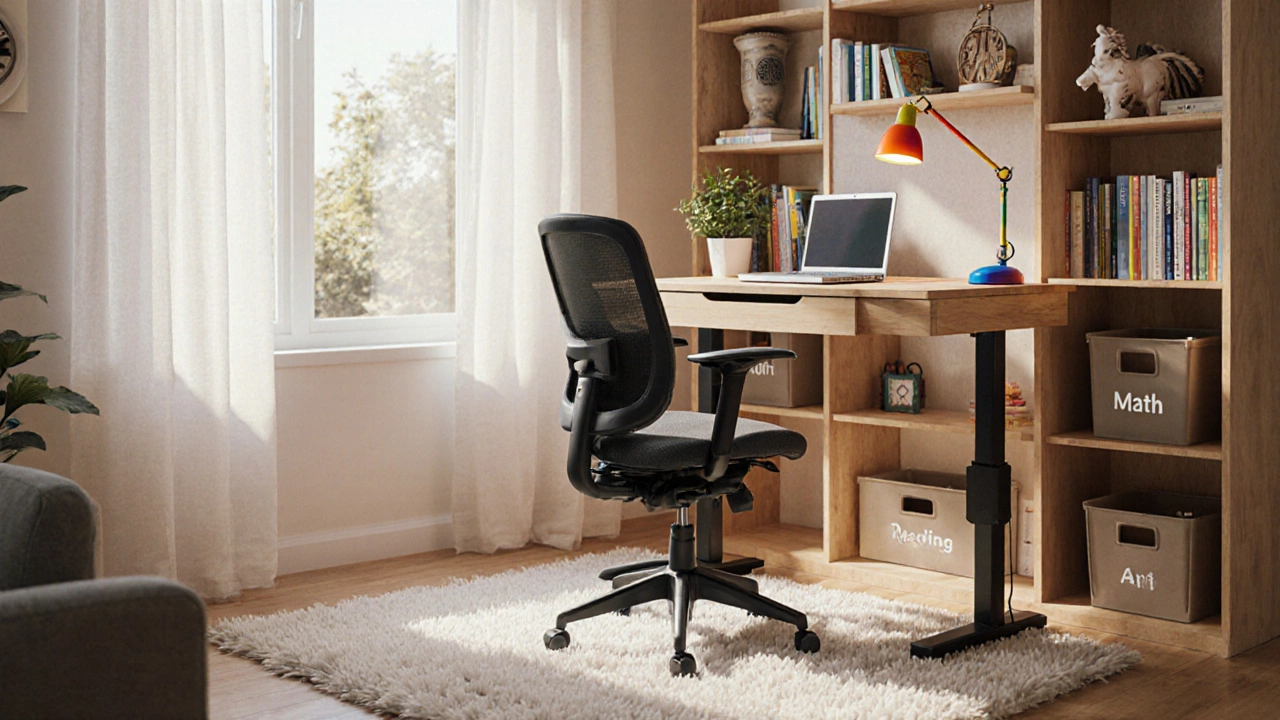
Learn how to create a functional learning station at home with step‑by‑step guidance on space, furniture, lighting, tech, and organization for any age.