Skill Development: Build Real Abilities That Get You Hired
When you think about skill development, the process of learning practical abilities that improve your performance in work or life. Also known as competency building, it’s what actually gets you hired—not just your degree, but what you can do with your hands, mind, and tools. In India, where millions chase competitive exams like UPSC or JEE, many forget that employers don’t ask for your rank—they ask for what you can fix, build, teach, or lead. Skill development isn’t optional anymore. It’s the gap between staying stuck and moving ahead.
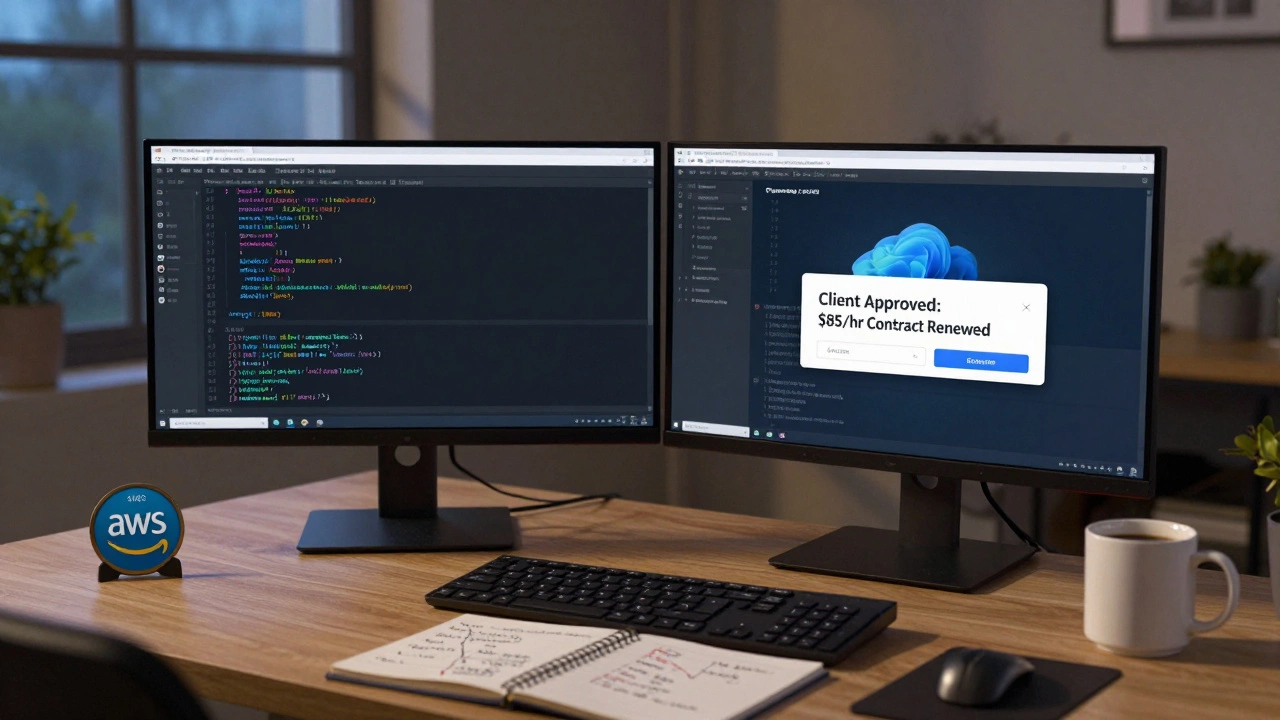
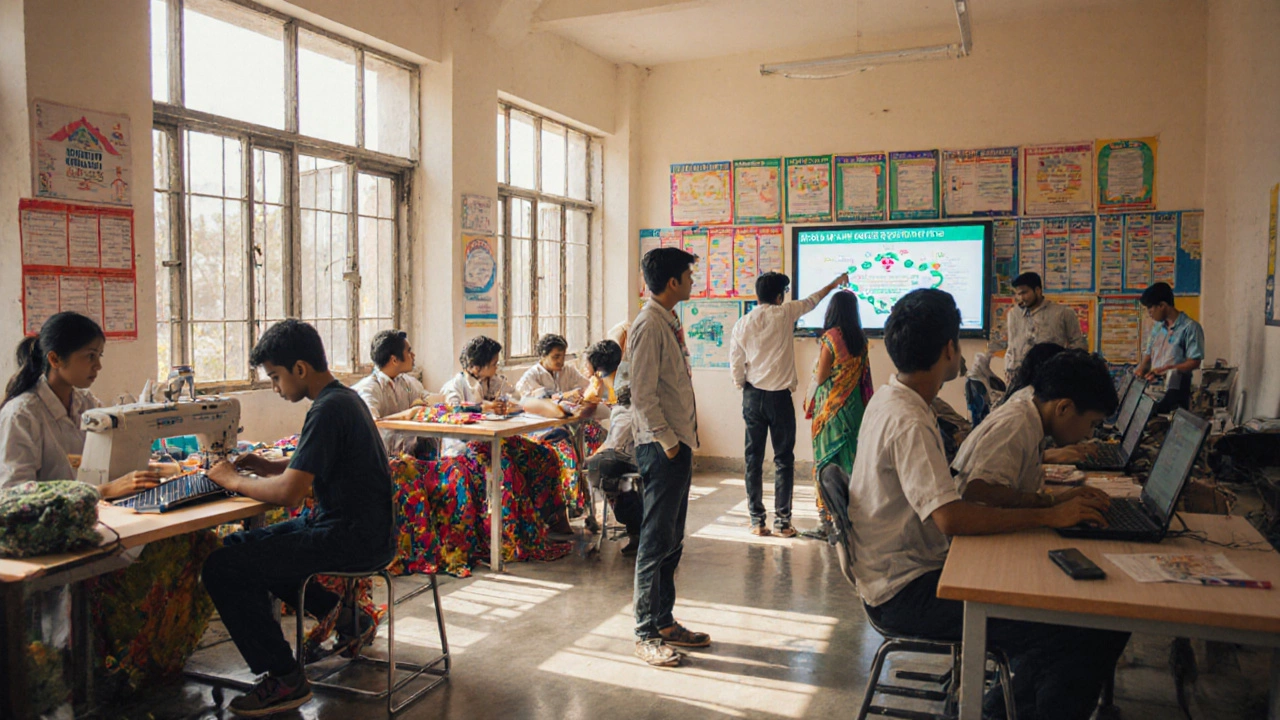
Think of vocational education, training focused on specific trades or jobs like coding, plumbing, or nursing. It’s not second-class—it’s the backbone of India’s workforce. While academic paths focus on theory, vocational training teaches you how to use a soldering iron, write clean code, or handle a patient. And it’s not just for high school dropouts. People with MBAs are taking coding bootcamps. Engineers are learning digital marketing. The best career moves today aren’t about climbing ladders—they’re about adding new tools to your belt. Then there’s coding skills, the ability to write programs that solve problems or automate tasks. It’s not just for tech jobs anymore. A doctor who can automate patient records, a teacher who builds quizzes in Python, or a shop owner who runs an online store with Shopify—all of them are using coding skills to get ahead. You don’t need a computer science degree. You just need to start building something, even if it’s small. And let’s not forget how competitive exams, high-stakes tests like UPSC, NEET, or JEE that determine access to top institutions. While they test memory and speed, they also demand discipline, time management, and problem-solving—all core skill development traits. The same focus that helps you crack JEE Mains helps you learn Excel, manage a team, or handle client pressure. Skills aren’t separate from exams—they’re built through them.
What’s missing in most classrooms? Real practice. You won’t learn to swim by reading about water. You won’t learn to code by watching videos. You learn by doing—making mistakes, fixing them, and trying again. That’s why people who build portfolios, start side projects, or tutor others end up ahead of those who just memorize. Skill development isn’t a course you finish. It’s a habit you keep.
Below, you’ll find real stories and data from people who turned skills into careers—whether they were stuck in a dead-end job, failed an exam, or just wanted more control over their future. No fluff. No promises. Just what works.