Vocational vs Academic Education: Key Differences Explained
Learn the core differences between vocational and academic education, compare costs, duration, credentials, and career outcomes, and find the right path for your goals.
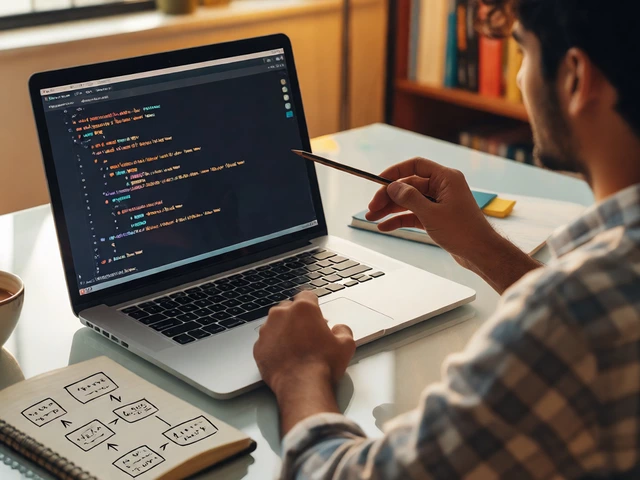
When we talk about skill-based learning, a hands-on approach to education that focuses on mastering practical abilities rather than just memorizing theory. It’s what happens when you learn to code by building an app, not just reading about algorithms. Also known as competency-based education, it’s no longer optional—it’s the new baseline for getting hired, passing exams like JEE or UPSC, and staying relevant in a fast-changing job market.
Think about it: vocational education, training that prepares people for specific trades or careers through direct practice. It’s not just for electricians or tailors anymore. It’s what you get in a coding bootcamp, a NEET coaching class that drills you on clinical cases, or a government exam prep app that simulates real test scenarios. This isn’t theory—it’s muscle memory for your career. And it’s why students who focus on practical skills, tangible abilities you can demonstrate, like problem-solving under time pressure or writing clean code consistently outperform those who only study from textbooks. The toughest exams in India—JEE, UPSC, even the CPA or USMLE—don’t just test knowledge. They test how fast you can apply it. That’s skill-based learning in action.
What’s missing in traditional classrooms? The chance to fail, fix, and try again. Skill-based learning lets you do that. It’s why someone with a non-business degree can still land an MBA—they’ve built real skills in leadership, communication, or project management. It’s why learning English through apps like TikTok or language exchanges works better than grammar drills. And it’s why degrees like those listed in our posts on the "least useful degrees" often fall short: they don’t teach you how to do anything, just how to recall something. The real edge? Knowing how to solve problems you’ve never seen before. That’s the core of skill-based learning. Below, you’ll find real stories from students who cracked tough exams, switched careers, or learned to code in three months—all by focusing on what they could actually do, not just what they could remember.
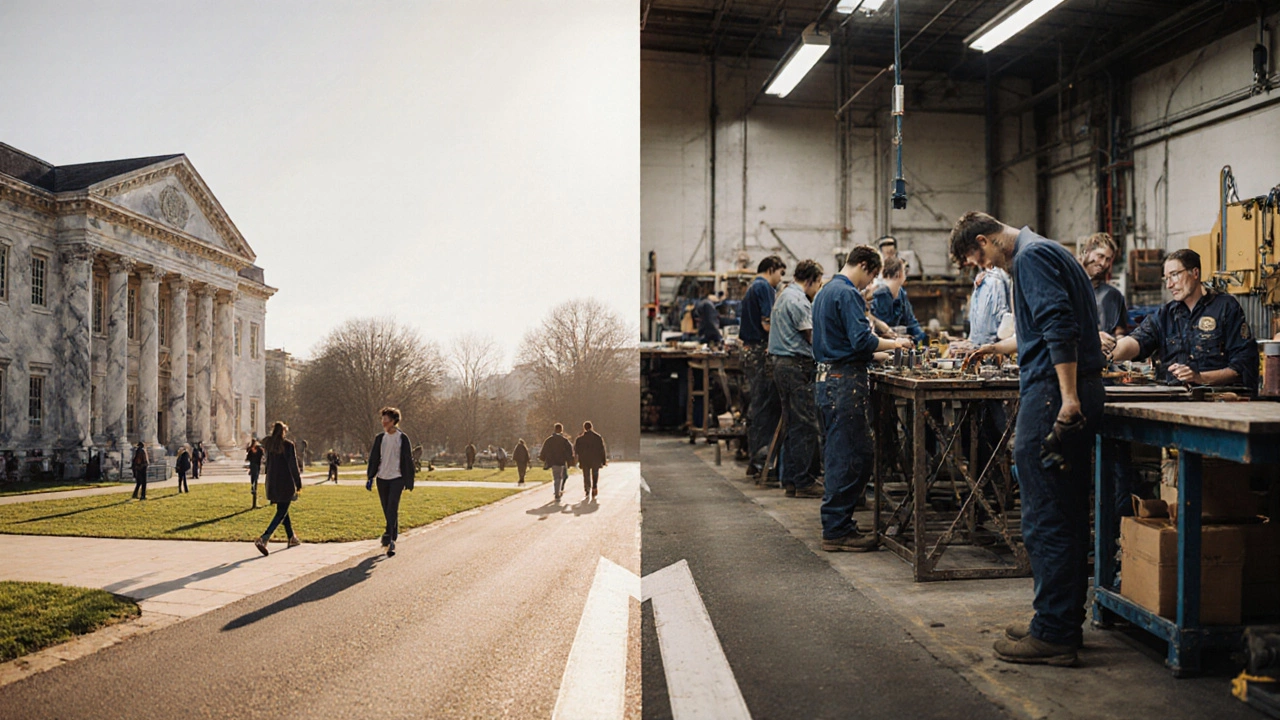
Learn the core differences between vocational and academic education, compare costs, duration, credentials, and career outcomes, and find the right path for your goals.