How Many Interviews Are Required for a Government Job? A Complete Guide
Learn how many interview rounds government jobs typically require, what each stage looks like, and how to prepare effectively for a successful application.
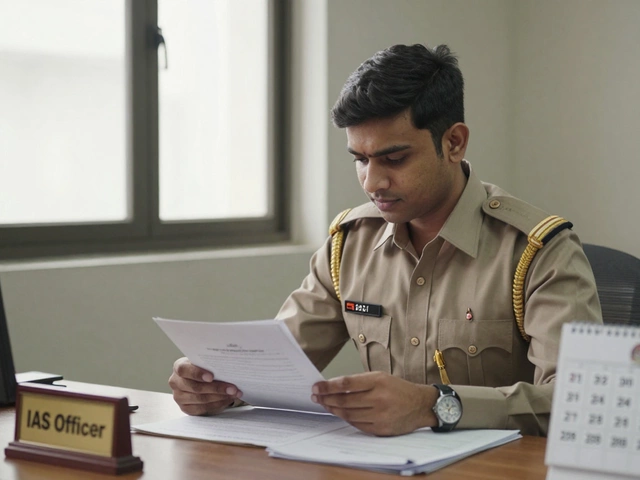
When you walk into a panel interview, a formal assessment where multiple evaluators question a single candidate at once. Also known as a committee interview, it's not just about answering questions—it's about showing you can think clearly under pressure, stay calm when challenged, and communicate like a leader. This is the final gate for top government jobs, MBA programs, and elite corporate roles in India. Unlike a one-on-one chat, a panel interview throws you into a room with 3 to 7 people—each with a different focus. One might be testing your knowledge, another your attitude, a third your ability to handle conflict. You don’t just need the right answers. You need the right presence.
What makes a panel interview, a formal assessment where multiple evaluators question a single candidate at once. Also known as a committee interview, it's not just about answering questions—it's about showing you can think clearly under pressure, stay calm when challenged, and communicate like a leader. so hard? It’s because the panel isn’t just checking your resume. They’re watching how you react when someone disagrees with you. They’re listening for gaps in your logic. They’re testing if you can adapt when the rules change mid-answer. This is why candidates who aced written exams still fail here. You can memorize facts, but you can’t memorize how to handle a tough question from a senior bureaucrat, a professor, and a hiring manager all at once. The interview panel, a group of evaluators who assess a candidate’s suitability through structured questioning. Also known as a selection committee, it's commonly used in civil service and corporate hiring. doesn’t want perfection. They want authenticity under stress. They want someone who stays grounded when the pressure spikes.
Look at the posts below. You’ll find real stories from people who’ve faced panel interviews for UPSC, MBA admissions, and government jobs. Some cracked it by staying quiet and listening. Others won by turning a tough question into a story. One candidate got asked why she failed her first attempt—and turned it into a 5-minute lesson on resilience. Another got grilled on current affairs and used a personal example to show he’d been thinking about the issue for years. These aren’t tricks. They’re tactics built on preparation, not luck.
You don’t need to be the smartest person in the room. You just need to be the most composed. The most honest. The most ready to listen, not just speak. The posts ahead show you exactly how people did that—what they said, how they handled silence, how they recovered from mistakes. There’s no magic formula. But there are patterns. And they’re all here.

Learn how many interview rounds government jobs typically require, what each stage looks like, and how to prepare effectively for a successful application.