Is Google Classroom Shutting Down? Latest Updates on the Platform in 2025
Curious if Google Classroom is going away? Get the facts on Google’s plans for its education platform, who’s affected, and what teachers should know in 2025.
When you're teaching online, the right online teaching tools, digital platforms that help educators deliver lessons, track progress, and interact with students remotely. Also known as virtual classroom software, it's no longer a luxury—it's the backbone of modern education in India. Whether you're a school teacher, college professor, or private tutor, your success depends less on your subject knowledge and more on how well you use these tools to keep students engaged.
Most teachers in India are now using some form of e-learning platforms, online systems designed to host courses, assignments, quizzes, and communication tools for remote learning. The big ones—like LMS and MOOC platforms—are common in colleges, but many schools and tutors rely on simpler apps like Google Classroom, Zoom, or WhatsApp for daily lessons. What’s missing? A clear understanding of which tool solves which problem. For example, if you need to grade hundreds of assignments automatically, a full LMS like Moodle works better than a video call app. But if you’re teaching one-on-one or managing small groups, a simple screen-sharing tool with a digital whiteboard gets the job done faster and cheaper.
It’s not just about picking the right software—it’s about matching the tool to your students’ reality. In rural India, many kids still learn on basic smartphones with slow internet. So, tools that require heavy downloads or constant video streaming won’t work. On the flip side, urban schools with good bandwidth can use interactive platforms with gamified quizzes and live polls. The best teachers don’t chase the flashiest tech. They pick what their students can actually use, every day, without stress.
And it’s not just teachers. Parents are now using these tools to track progress, check homework, and even join virtual parent-teacher meetings. That means your online teaching tools need to be simple enough for a 50-year-old mom to navigate, not just a tech-savvy college grad. Look for platforms with clear buttons, minimal steps, and offline options like downloadable PDFs or audio lessons.
What you’ll find below are real examples of what’s working right now in Indian classrooms—tools that teachers actually use, not just the ones companies advertise. You’ll see which apps help with live teaching, which ones are best for assignments, and which ones save hours of grading. No fluff. No hype. Just what works.
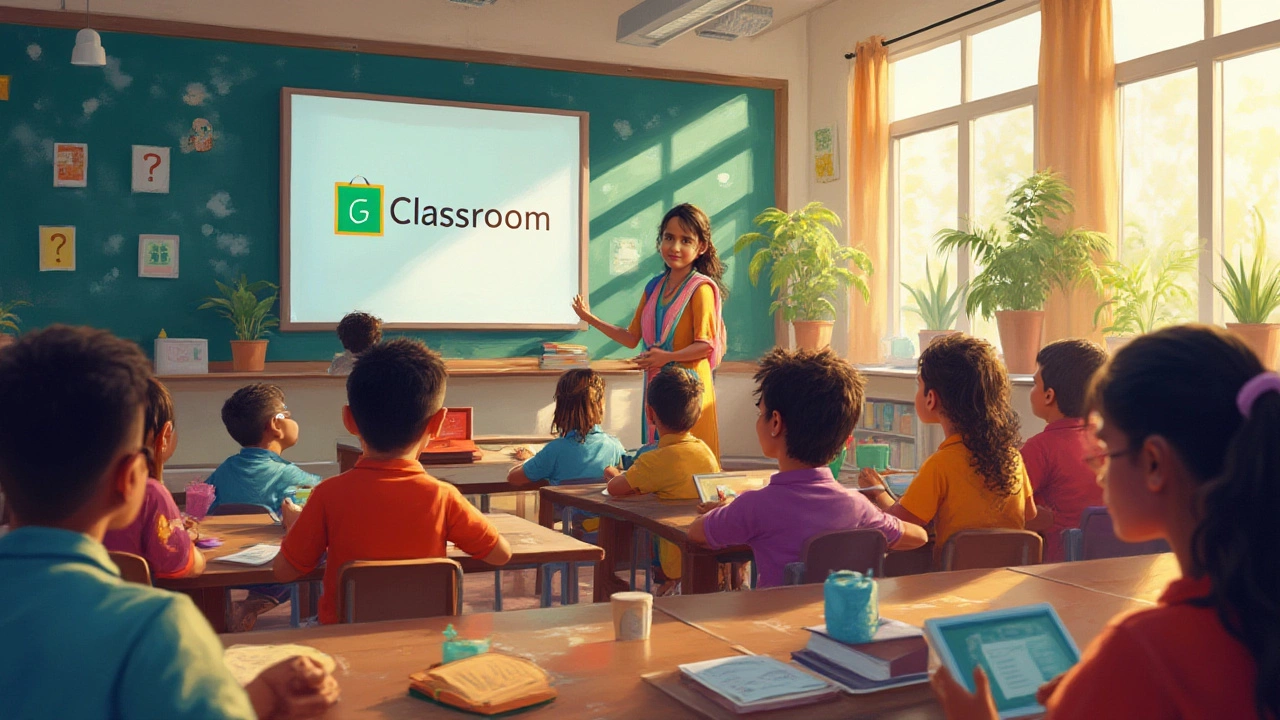
Curious if Google Classroom is going away? Get the facts on Google’s plans for its education platform, who’s affected, and what teachers should know in 2025.