Is e-learning an app? Defining Digital Education Tools
Explore the relationship between e-learning and mobile apps. Understand the difference between the method and the tool, covering LMS systems, web access, and offline capabilities.
When you think of online education, learning through digital platforms instead of physical classrooms. Also known as e-learning, it’s no longer just a backup option—it’s the main path for millions of Indian students preparing for competitive exams, switching careers, or learning skills like coding and English. It’s not about watching videos on your phone while lying in bed. Real online education means structure, accountability, and tools that actually help you improve.
Not all online learning is the same. There are LMS, learning management systems used by schools and coaching centers to track progress, assign tests, and manage course content, like the ones used by top NEET and JEE coaching institutes. Then there are MOOCs, massive open online courses from platforms like Coursera or edX that offer university-level content for free or low cost. And then there are apps—simple, mobile-first tools designed for daily practice, flashcards, or speaking drills. Each type serves a different need. If you’re cramming for UPSC, an LMS with daily mock tests matters more than a MOOC on philosophy. If you’re learning Python from scratch, a structured MOOC with projects beats a random YouTube playlist.
What makes online education work isn’t the platform—it’s how you use it. The best tools don’t just give you content. They give you feedback, track your weak spots, and push you to keep going. That’s why apps for competitive exams are so popular—they turn studying into a habit. You get reminders, streaks, performance graphs. You see your rank improve week after week. That’s motivation you can’t get from a textbook. And it’s why so many students now skip expensive coaching centers and rely on apps and LMS platforms that cost a fraction of the price.
But here’s the truth: online education doesn’t fix bad habits. If you’re easily distracted, no app will help. If you skip practice sessions because "you’ll do it later," you’ll fall behind. The most successful learners treat online education like a job—set a schedule, stick to it, and measure progress daily. That’s the real difference between someone who "took an online course" and someone who actually learned something.
Below, you’ll find real stories and data from students who used online education to crack tough exams, switch careers, or build new skills. Some used MOOCs to land jobs abroad. Others used LMS platforms to go from zero to top 100 in JEE. A few even quit coaching centers altogether and saved thousands. This isn’t theory. It’s what’s working right now—for real people, in India, with real results.
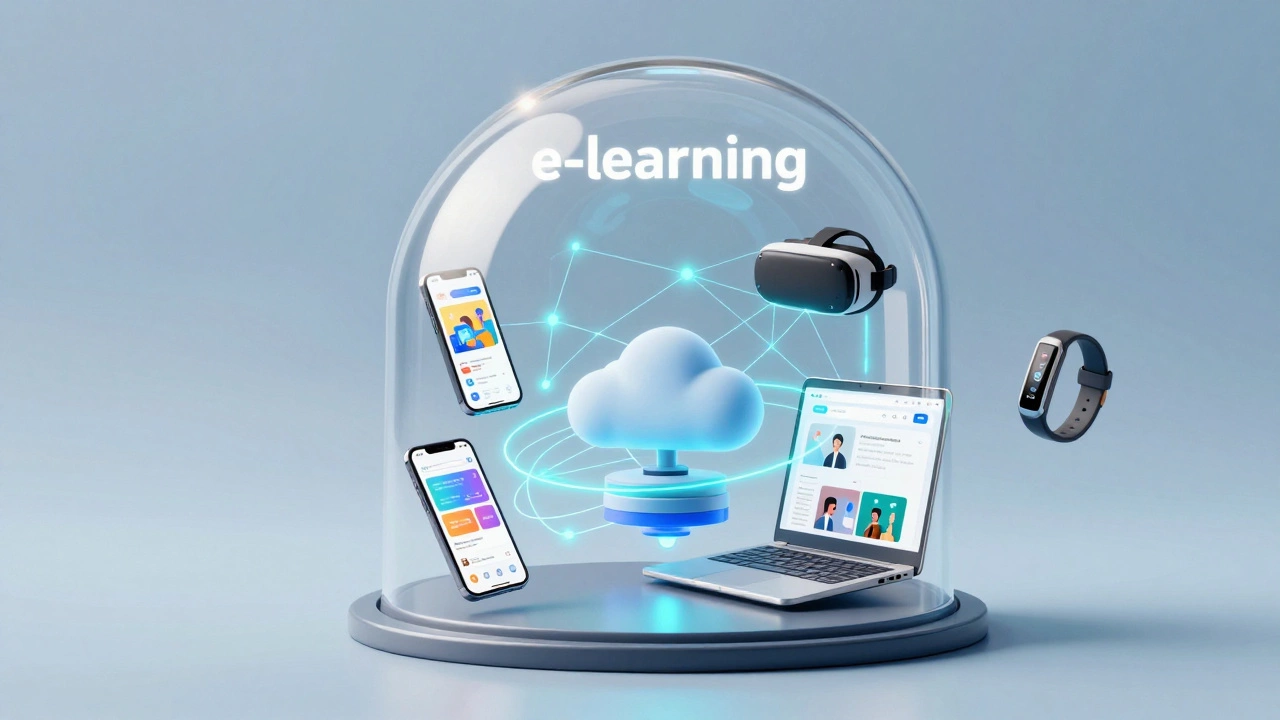
Explore the relationship between e-learning and mobile apps. Understand the difference between the method and the tool, covering LMS systems, web access, and offline capabilities.

Yes, free online degrees exist in 2025-but only from accredited institutions like University of the People and German public universities. Learn where to find them, how to avoid scams, and how to start without paying tuition.

Thinking about speeding through college? This article breaks down the fastest online degrees you can actually earn, what makes them quick, and how legit they really are. Find out about accelerated programs, the majors you can finish in a blink, and some tricks to go even faster. You’ll also learn about the risks, costs, and which schools to trust. This guide will save you time, money, and headaches if you want that diploma ASAP.
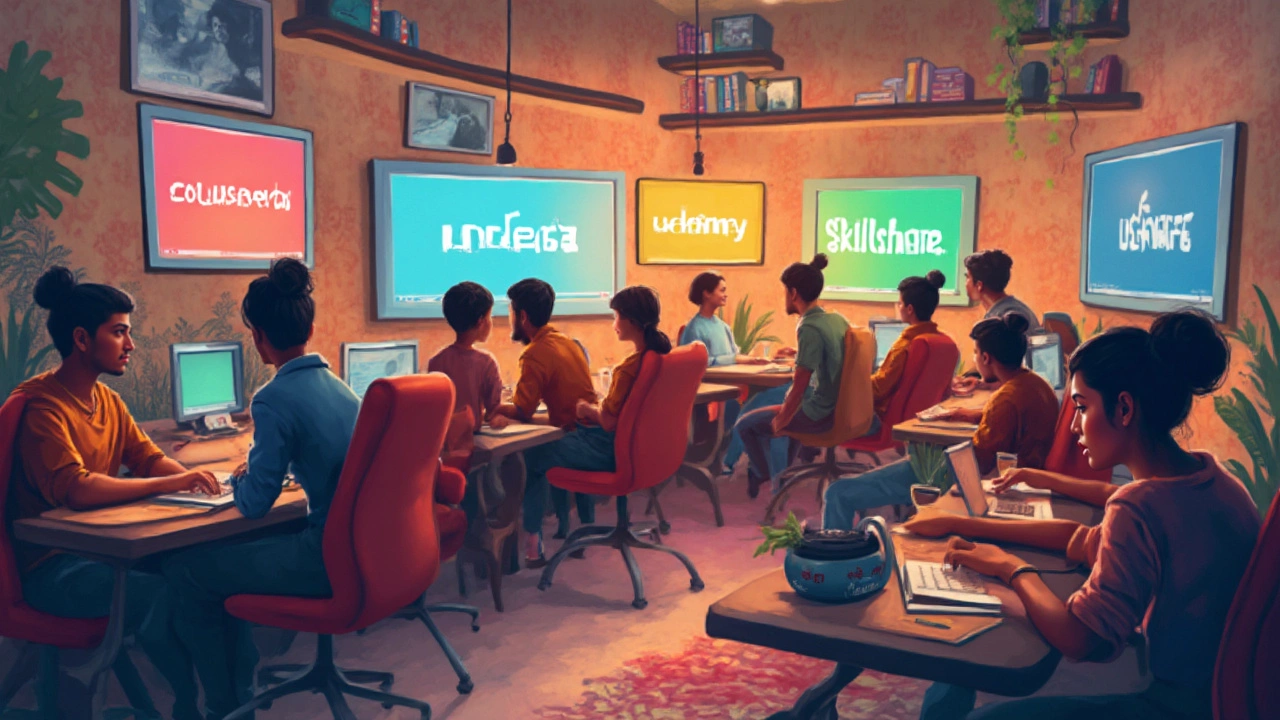
Exploring the booming world of online learning, this article delves into the most popular e-learning platforms today. It discusses their features, usability, and why they're favored by students and educators alike. With practical insights and tips, readers will gain a clear understanding of which platforms lead the pack and why. Ideal for anyone looking to enhance their learning or teaching experience online.

Need a job ASAP? Discover the top online courses you can complete in three months to boost your employability. From digital marketing to coding, these courses offer practical skills that employers are looking for. Learn how to utilize these short yet impactful courses to jumpstart your career quickly. Get ready to transform your resume and stand out in the job market.

eLearning platforms have transformed the way we acquire knowledge, making education more accessible and personalized. These platforms use digital tools to offer interactive courses that can be accessed anytime, anywhere. The flexibility of eLearning enables learners to progress at their own pace, catering to different learning styles and needs. Understanding how eLearning works can help you choose the right platform and maximize your learning experience.

LMS, or Learning Management System, is a cornerstone of modern education technology, transforming the way institutions and organizations deliver courses and training. LMS platforms streamline administrative tasks, enhance student engagement, and offer flexible learning opportunities. This article explores the definition, evolving impact, and future of LMS, highlighting its critical role in online education. By understanding the key features and benefits, educators and learners can make the most out of these platforms.

Starting an eLearning platform involves more than just technical skills. It requires understanding the needs of learners, choosing the right technology stack, creating engaging content, and marketing your courses effectively. This article provides actionable steps for entrepreneurs or educators who want to launch a platform that makes learning accessible and enjoyable. Discover key strategies to overcome common challenges and create a thriving learning environment.