NEET Opposition in India: States Challenging the National Medical Entrance Exam
This article explores which Indian states oppose NEET, why the resistance exists, the impact on students, and the ongoing legal and political debates.
When you hear NEET opposition, the widespread resistance to India's National Eligibility cum Entrance Test for medical admissions. Also known as the single medical entrance exam, it was meant to bring uniformity to medical college admissions across India. But instead of ending controversy, it became the center of one. Since its full rollout in 2016, NEET hasn’t just been an exam—it’s been a flashpoint for debates about equity, language, regional bias, and who gets to become a doctor in India.
At its core, the NEET opposition, the collective pushback from students, parents, and state governments against mandatory national-level medical entrance testing. Also known as the fight against centralized medical admissions, it’s not about rejecting quality—it’s about access. Students from state boards, especially in rural areas, argue that NEET’s syllabus favors CBSE and ICSE patterns. Many never learned biology in English until Class 12, yet NEET is only in English and Hindi. A student from a Tamil-medium school might know every detail of human physiology, but struggle with how the question is worded. That’s not a knowledge gap—it’s a language barrier. Meanwhile, states like Tamil Nadu, West Bengal, and Punjab have long had their own entrance systems, often more aligned with local curricula. They see NEET as a top-down imposition that ignores decades of state-level success in producing skilled doctors.
The NEET controversy, the legal, political, and social conflict surrounding the mandatory nature of the exam. Also known as the battle for educational autonomy, isn’t just about test formats. It’s about power—who decides what’s fair? Private coaching centers thrive under NEET, making prep expensive and inaccessible for low-income families. Meanwhile, students in government schools with no coaching support are up against peers who’ve spent years in expensive test-prep factories. The Supreme Court has upheld NEET, but the anger hasn’t faded. Why? Because fairness isn’t just about rules—it’s about real-world conditions. And that’s why you’ll find stories here about students who cracked NEET after years of struggle, parents who sold land to pay for coaching, and doctors who still question whether the system truly picks the best talent—or just the best-prepared.
What follows is a collection of real perspectives, data, and personal accounts that dig into the heart of this issue. You’ll see how NEET affects students in small towns, how it reshapes coaching industries, and why some argue it’s time for a rethink—not a rejection. Whether you’re a student preparing for it, a parent worried about costs, or just someone trying to understand the noise—this isn’t just about an exam. It’s about who gets to heal the country.
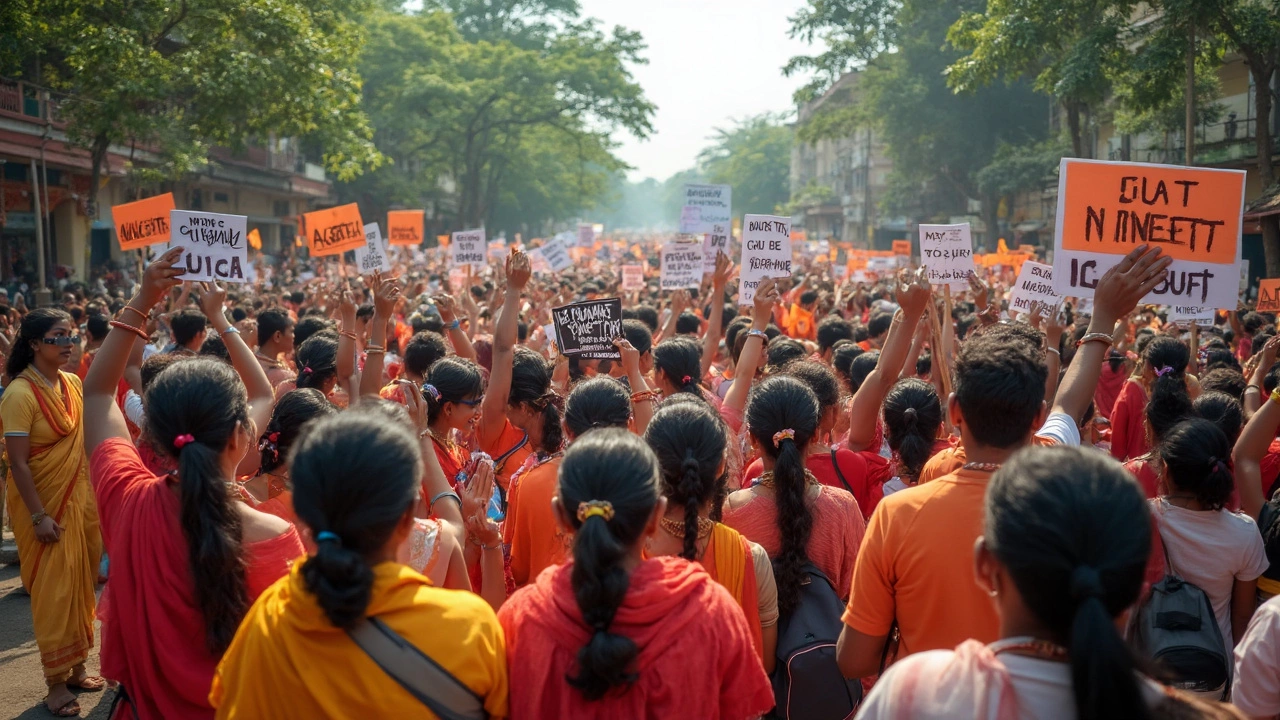
This article explores which Indian states oppose NEET, why the resistance exists, the impact on students, and the ongoing legal and political debates.