Mental Health in Exams: How Pressure Affects Students and How to Cope
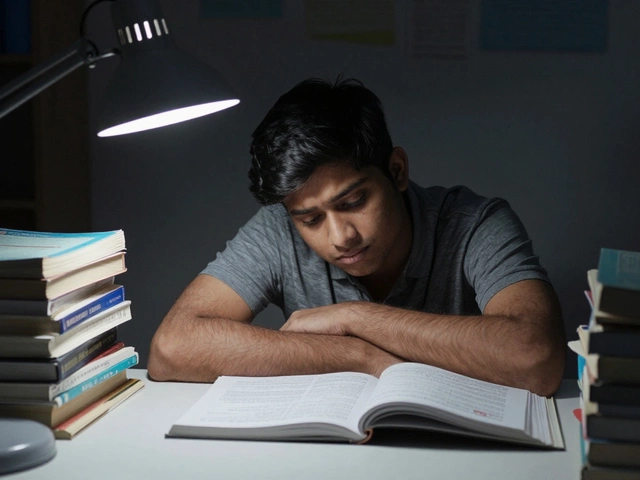
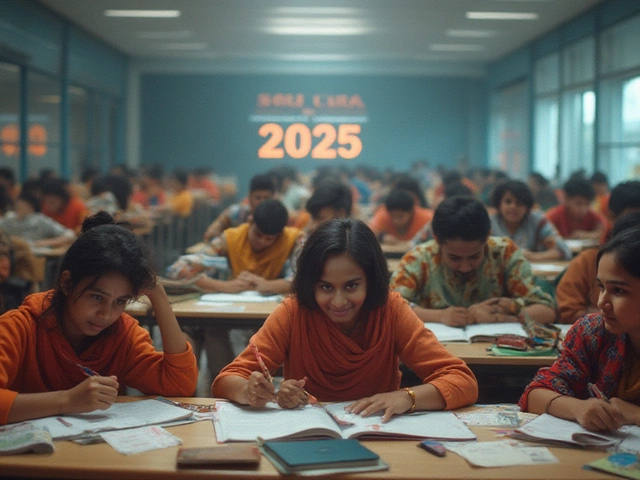
When we talk about mental health in exams, the emotional and psychological toll of high-stakes testing on students, we’re not just discussing stress. We’re talking about students who cry after mock tests, skip meals to study, and lie awake wondering if one bad day will ruin their future. This isn’t normal. It’s systemic. In India, where exams like JEE, NEET, and UPSC decide life paths, the pressure isn’t just intense—it’s designed to break people. And too often, schools, parents, and even coaching centers treat exhaustion as a badge of honor.
exam stress, the chronic anxiety triggered by academic deadlines and performance expectations doesn’t show up as a fever or a headache. It shows up as silence. A student who used to laugh in class now stares at their desk. A top performer suddenly can’t solve problems they aced last week. exam anxiety, the physical and emotional reaction to the fear of failing isn’t weakness—it’s a signal. Your body is screaming that the load is too heavy. Studies from the Indian Journal of Psychological Medicine show over 60% of students preparing for competitive exams report symptoms of depression or severe anxiety. Yet, most are told to "just try harder."
study burnout, the state of emotional, mental, and physical exhaustion from prolonged academic pressure isn’t something you recover from with a weekend off. It’s the result of months—sometimes years—of grinding without rest, without support, without permission to be human. And it’s not rare. It’s expected. We praise the student who sleeps four hours a night, but no one asks if they remember their own name. Meanwhile, the ones who ask for help are labeled lazy or unmotivated.
The truth? Mental health in exams isn’t a side issue—it’s the core issue. You can’t study well if you’re terrified. You can’t think clearly if your heart won’t stop racing. You can’t remember formulas if you’re crying in the bathroom between sessions. The system doesn’t teach coping skills. It teaches endurance. But endurance without recovery isn’t strength—it’s self-destruction.
What follows aren’t just stories. These are real experiences from students who made it through, and those who didn’t. You’ll find posts that break down how top scorers manage their minds, not just their notes. You’ll see how to spot burnout before it hits. You’ll learn what actually helps—sleep, boundaries, breathing—not more hours. And you’ll find out why some students pass exams but lose themselves in the process.