How to Set Up an Effective Learning Station at Home
Learn how to create a functional learning station at home with step‑by‑step guidance on space, furniture, lighting, tech, and organization for any age.
When you’re preparing for competitive exams like JEE, NEET, or UPSC, your learning station setup, a dedicated space designed for focused study isn’t just a desk and a chair—it’s your command center. It’s where hours of effort turn into real progress. A messy corner of your room won’t cut it. Neither will studying on your bed while scrolling through reels. Your environment shapes your focus, and if your setup doesn’t support deep work, you’re fighting an uphill battle from day one.
Many students think discipline alone will get them through. But discipline needs structure. Your study space, a physical area optimized for learning and minimal distractions should reduce friction. That means keeping your books, notes, and stationery within arm’s reach. No more walking across the room every time you need a pen or a formula sheet. It also means silencing your phone—not just turning off notifications, but putting it in another room. Your home study area, a personal zone for daily academic work, often in a shared living space doesn’t need to be fancy. But it does need to be consistent. If you study in the same spot every day, your brain starts associating that space with focus. That’s neuroscience, not magic.
What do top scorers have in common? Not just hard work—but smart setups. They know that lighting matters. A dim room strains your eyes after two hours. They know that airflow matters. Stuffy rooms make you sleepy. They know that clutter kills momentum. A pile of old papers on your desk isn’t organized—it’s a mental distraction. And they know that having a whiteboard or wall chart for formulas, timelines, or revision schedules turns passive review into active recall. Your study environment, the physical and psychological conditions surrounding your learning should feel like a sanctuary, not a burden.
This isn’t about buying expensive furniture. It’s about removing the things that steal your attention. If you’re studying for competitive exams in India, you’re up against thousands of others who are just as smart—but maybe better organized. Your learning station setup gives you an edge you can control. No one else can control your luck, your board, or your competition. But you can control how you sit, where you sit, and what’s on your desk. That’s power.
In the posts below, you’ll find real examples of how students have transformed their study spaces—from tiny rooms in small towns to shared flats in metro cities. You’ll see what tools actually helped them stay on track, how they dealt with distractions, and what mistakes they made along the way. No fluff. No theory. Just what works when the clock is ticking and the stakes are high.
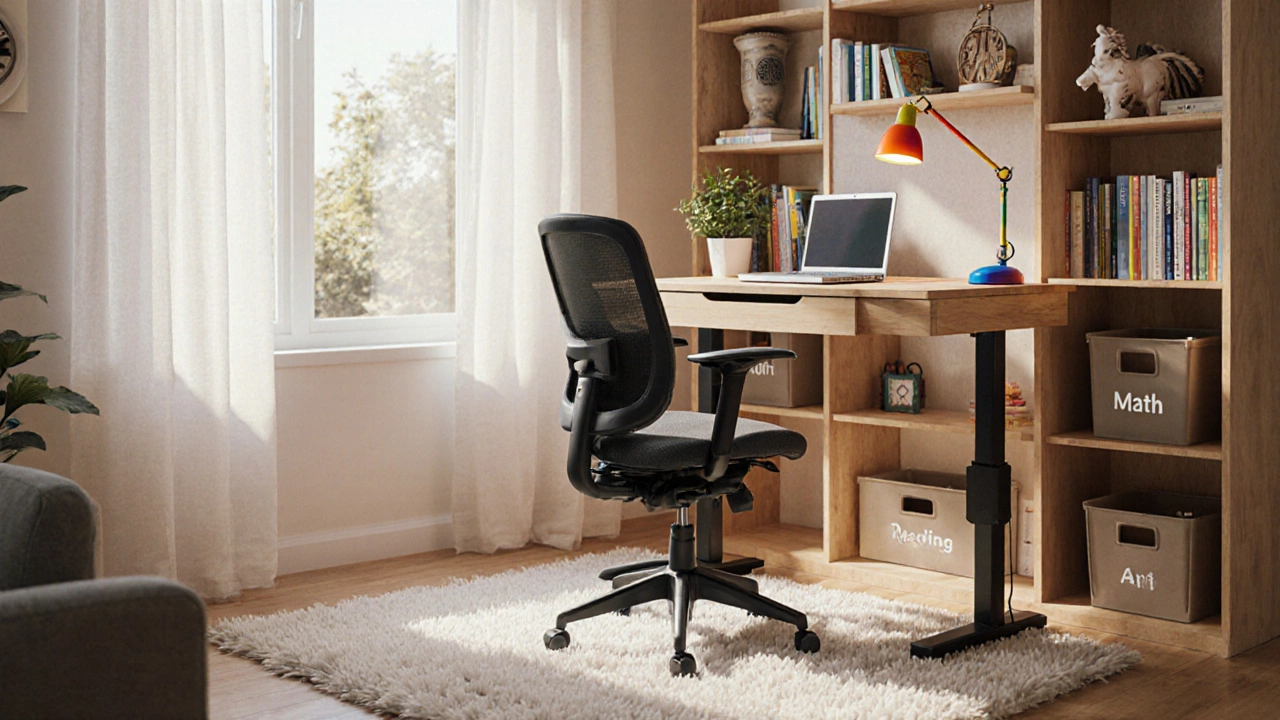
Learn how to create a functional learning station at home with step‑by‑step guidance on space, furniture, lighting, tech, and organization for any age.