NEET Opposition in India: States Challenging the National Medical Entrance Exam
This article explores which Indian states oppose NEET, why the resistance exists, the impact on students, and the ongoing legal and political debates.
When you think about Indian states, the 28 distinct regions that each manage their own education policies, school boards, and exam cultures. Also known as state governments in India, they don’t just divide land—they divide how millions of students learn, prepare for exams, and chase careers. One state might push students toward the CBSE board, a national curriculum followed by over 20 million students, especially in urban centers and across state borders, while another sticks to its own syllabus. In Bihar, you’ll find kids grinding through JEE and NEET prep in small towns, while in Kerala, the focus leans more toward holistic learning and high pass rates in state board exams. The UPSC exam, India’s most feared civil service test, where success rates hover below 0.2% doesn’t care where you’re from—but your state’s coaching culture, language support, and access to resources make a huge difference.
Why does this matter? Because your chances of cracking a top exam aren’t just about how hard you study—they’re shaped by where you live. In Delhi and NCR, you’re surrounded by coaching centers, test series, and peer pressure that pushes you to study 12 hours a day. In rural Odisha or Jharkhand, students might not even have reliable internet for online mock tests. The competitive exams, like JEE, NEET, and UPSC, that dominate Indian education are the same everywhere, but the support system around them isn’t. Some states fund free coaching for SC/ST students. Others have state-specific entrance tests that bypass national exams entirely. And then there’s the language factor: a student from Tamil Nadu might take NEET in Tamil, while someone from Rajasthan takes it in Hindi or English—each version has different difficulty levels and question patterns.
You’ll find posts here that dig into why CBSE dominates across so many states, how MBA aspirants from Maharashtra outperform others in placements, and why UPSC toppers come disproportionately from a handful of regions. You’ll also see what happens when students move from a state board to CBSE mid-way, and how that affects their JEE scores. These aren’t abstract trends—they’re real, daily struggles and advantages that shape careers. Whether you’re a parent deciding where to move for better schools, a student wondering why your friend from another state seems to have it easier, or a teacher trying to understand regional gaps, this collection gives you the real picture—not the brochure version.
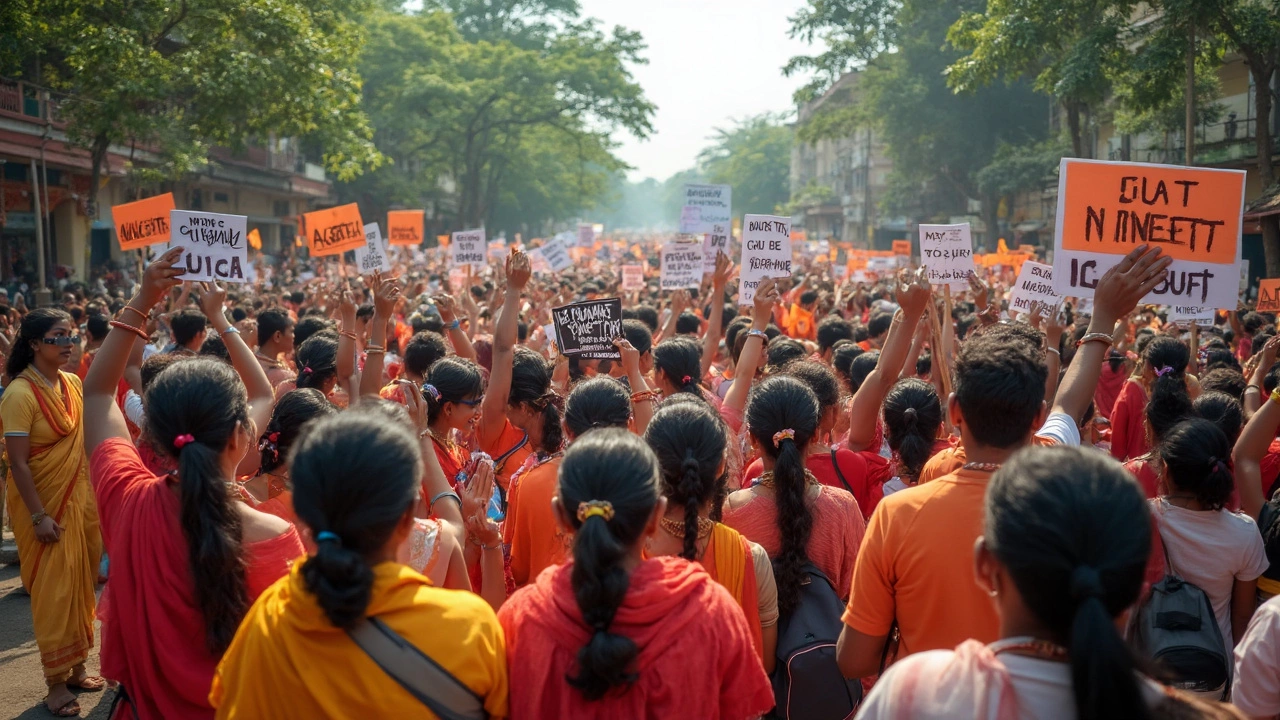
This article explores which Indian states oppose NEET, why the resistance exists, the impact on students, and the ongoing legal and political debates.