CBSE Syllabus Comparison: NCERT vs Reference Books for Class 10 & 12
Stop guessing which books to buy. Learn how to balance NCERT and reference materials for maximum marks in CBSE Class 10 and 12 exams.
When it comes to exam preparation, the focused effort to master content and build test-taking skills for high-stakes assessments. Also known as test preparation, it’s not just about memorizing facts—it’s about training your brain to think fast, stay calm under pressure, and solve problems you’ve never seen before. In India, where millions compete for a few thousand seats in top colleges and government jobs, exam preparation isn’t optional. It’s a full-time job that starts years before the actual test.
Successful competitive exams, high-stakes tests with low pass rates that determine access to elite institutions or careers like the JEE Mains, the national engineering entrance exam for NITs and IITs, the UPSC CSE, India’s most difficult civil service exam requiring years of disciplined study, and the NEET, the medical entrance exam that decides who becomes a doctor don’t reward brute force. They reward pattern recognition, time management, and mental resilience. You won’t find a single person who cleared these exams by just reading textbooks from cover to cover. What they did was study smart: identifying high-yield topics, practicing under timed conditions, and learning from mistakes instead of repeating them.
What makes Indian exam prep unique is the pressure. It’s not just about the syllabus—it’s about beating thousands of others who are just as hardworking. That’s why mental health, sleep, and avoiding burnout are just as important as solving 50 math problems a day. The best prep isn’t the longest—it’s the most consistent. It’s the student who takes one full mock test every week and reviews it thoroughly, not the one who studies 12 hours a day but never checks where they’re going wrong.
Some of the most feared subjects—like organic chemistry in NEET or quantitative aptitude in UPSC—are only hard because they’re taught the wrong way. The real skill isn’t knowing every formula. It’s knowing which ones to use, when, and how to spot the trick in the question. That’s why top scorers don’t just practice—they analyze. They ask: Why did I get this wrong? What pattern did I miss? How can I build speed without losing accuracy?
And it’s not just about the exam itself. Your study setup, your app choices, your daily routine—all of it matters. A cluttered desk, a noisy phone, or a poorly timed study schedule can undo weeks of effort. The right tools, like a focused learning station or a smart exam prep app, aren’t luxuries. They’re part of the strategy.
Below, you’ll find real stories, data-backed tips, and honest breakdowns from people who’ve been through it. Whether you’re prepping for JEE, NEET, UPSC, or an MBA entrance, you’ll find exactly what works—and what doesn’t. No fluff. No myths. Just what you need to move from stressed to confident.
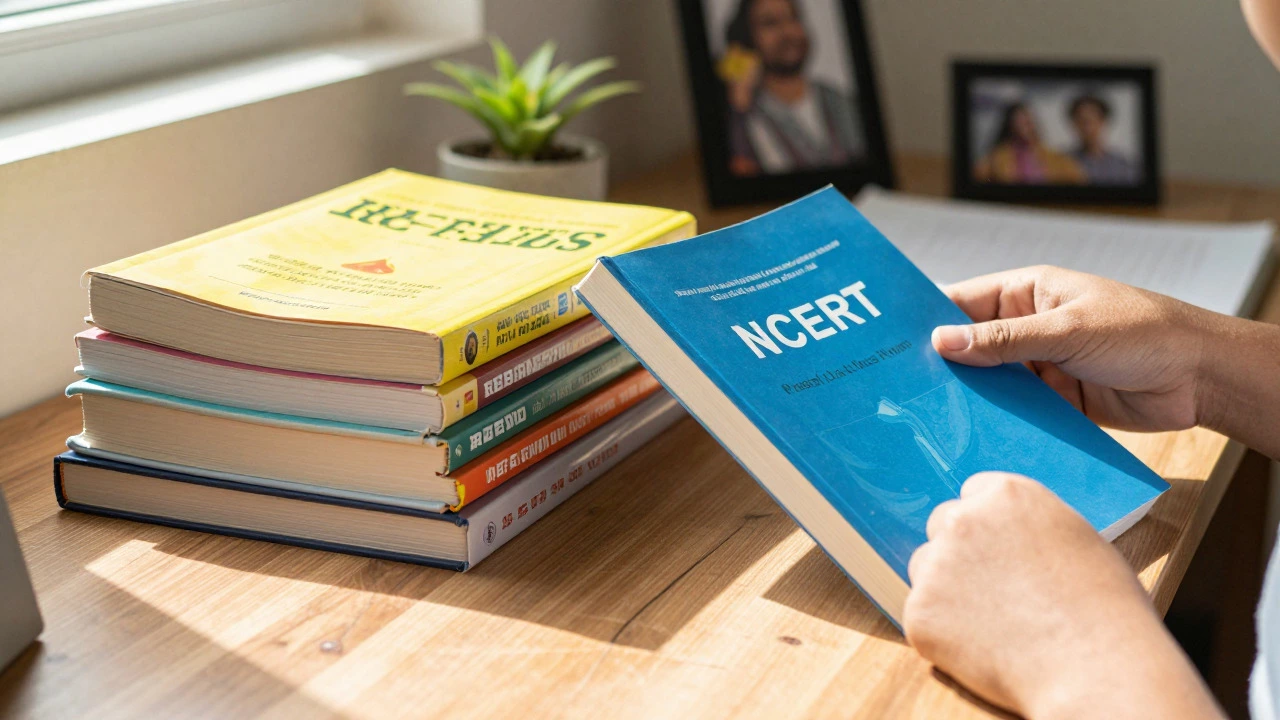
Stop guessing which books to buy. Learn how to balance NCERT and reference materials for maximum marks in CBSE Class 10 and 12 exams.

Some degrees don't help with competitive exams like UPSC or SSC. Learn which ones add little value and how to succeed even if you have one. Focus on preparation, not your major.

Discover which college degree tops the list for competitive exam success, salary boost, and career flexibility. Get comparisons, a step-by-step guide, and real examples to pick the coolest degree for your goals.

Finding the best time to read for competitive exams can significantly enhance a student's performance. This article delves into personalized reading strategies, exploring how different times of day can align with cognitive functions and boost retention. By examining factors such as biological rhythms and lifestyle habits, it provides actionable insights for optimizing study sessions. Readers will discover tailored methods to improve their preparation efficiency.