How to Set Up an Effective Learning Station at Home
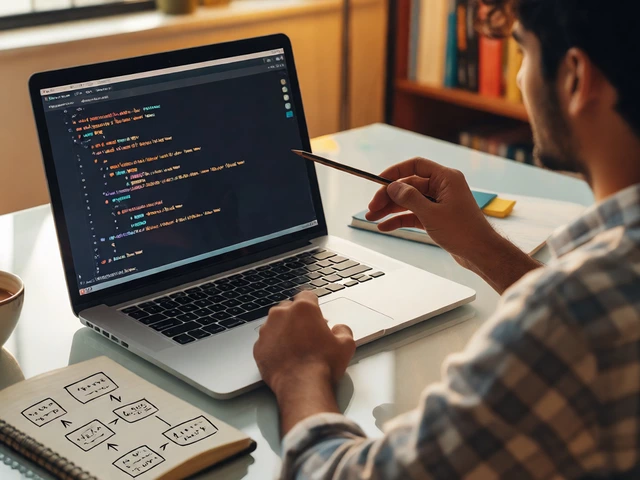
Learn how to create a functional learning station at home with step‑by‑step guidance on space, furniture, lighting, tech, and organization for any age.
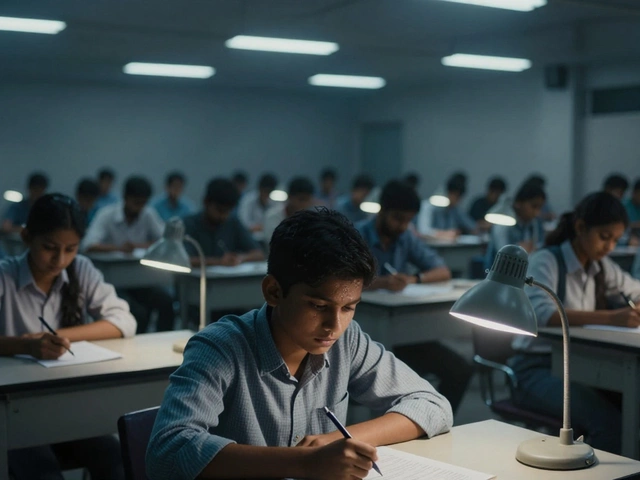
When we talk about the educational environment, the physical, social, and psychological setting where learning happens. Also known as the learning environment, it includes everything from classroom walls to the pressure of competitive exams. It’s not just about textbooks or teachers—it’s about whether a student feels safe, supported, and motivated to keep going. In India, this environment is shaped by intense competition, rigid structures, and deep cultural expectations around success.
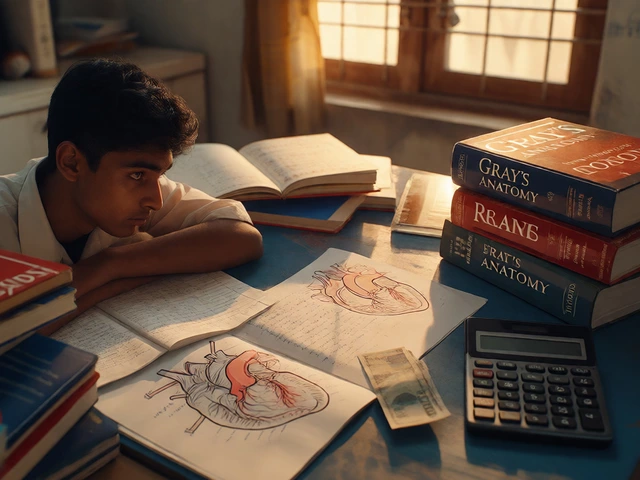
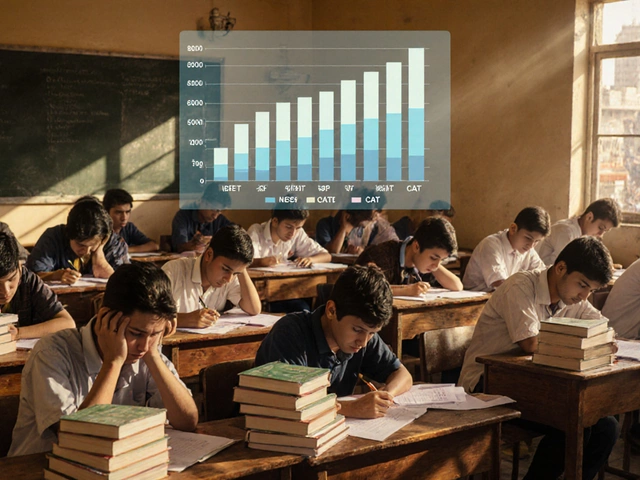
The CBSE board, India’s most widely used school curriculum with over 20 million students plays a big role. Its standardized syllabus makes it easier to prepare for national exams like JEE and NEET, but it also pushes students into a one-size-fits-all system. Meanwhile, the UPSC Civil Services Exam, one of the toughest tests in the world, requiring years of relentless preparation turns the educational environment into a high-stakes marathon. Students aren’t just learning—they’re training under extreme pressure, often without enough mental health support.
What makes the educational environment work—or break—isn’t just the curriculum. It’s the culture around it. Is competition pushing students to excel, or burning them out? Are parents and teachers focused on grades, or on understanding? The best learning environments don’t just teach facts—they build resilience, curiosity, and self-awareness. That’s why posts here cover everything from the mental toll of competitive exams to whether an MBA after 30 still makes sense. They show how the system affects real people, not just scores.
You’ll find real stories here—not theories. How the JEE Mains tests mental flexibility more than memory. Why some degrees don’t help with UPSC prep. What makes an MBA worth it after a decade in the workforce. And how the right e-learning platform can change the game if the classroom doesn’t. This isn’t about what’s ideal. It’s about what actually works when the pressure is on, the clock is ticking, and your future feels like it’s on the line.
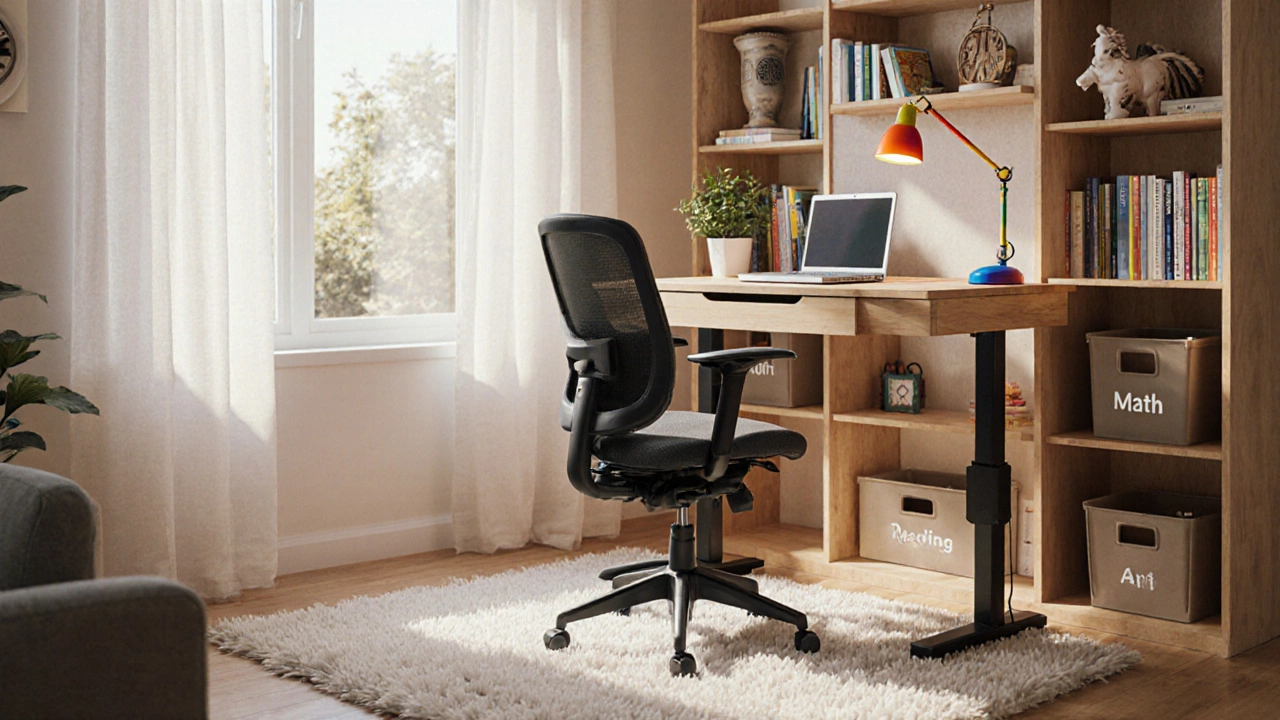
Learn how to create a functional learning station at home with step‑by‑step guidance on space, furniture, lighting, tech, and organization for any age.