


Government Career Readiness & Pathway Tool
1
2
3
Step 1: Choose Your Government Level
Select the level of government that interests you most to see specific pathways.
Federal
Nationwide agencies (NASA, FBI, IRS). High stability, excellent benefits, longer hiring process.
USAJOBS.govState
DMV, State Police, Health Depts. Moderate hiring speed, good benefits, regional impact.
State PortalsLocal
City planners, School admins, Municipal police. Faster hiring, direct community impact.
City/County SitesStep 2: Application Readiness Check
Answer these questions to gauge your preparedness for the government hiring process.
Your Government Career Profile
--%
Readiness Score
Recommended Pathway:
Key Action:
Your Preparation Checklist:
Imagine waking up every Monday knowing your work directly impacts millions of lives. Whether it's improving healthcare access, securing national borders, or building better infrastructure, starting a career in government offers a unique blend of stability, purpose, and public service. Unlike the private sector, where profit is king, the public sector prioritizes community welfare. But let’s be honest-getting your foot in the door isn’t always straightforward. The process can feel like navigating a maze with no map.
If you’re ready to trade corporate hustle for civic duty, you’re in the right place. This guide breaks down exactly how to launch your public sector journey, from understanding the different branches to acing that crucial civil service exam. We’ll cut through the bureaucracy and give you actionable steps to land that first role.
Understanding the Landscape: Where Do You Fit?
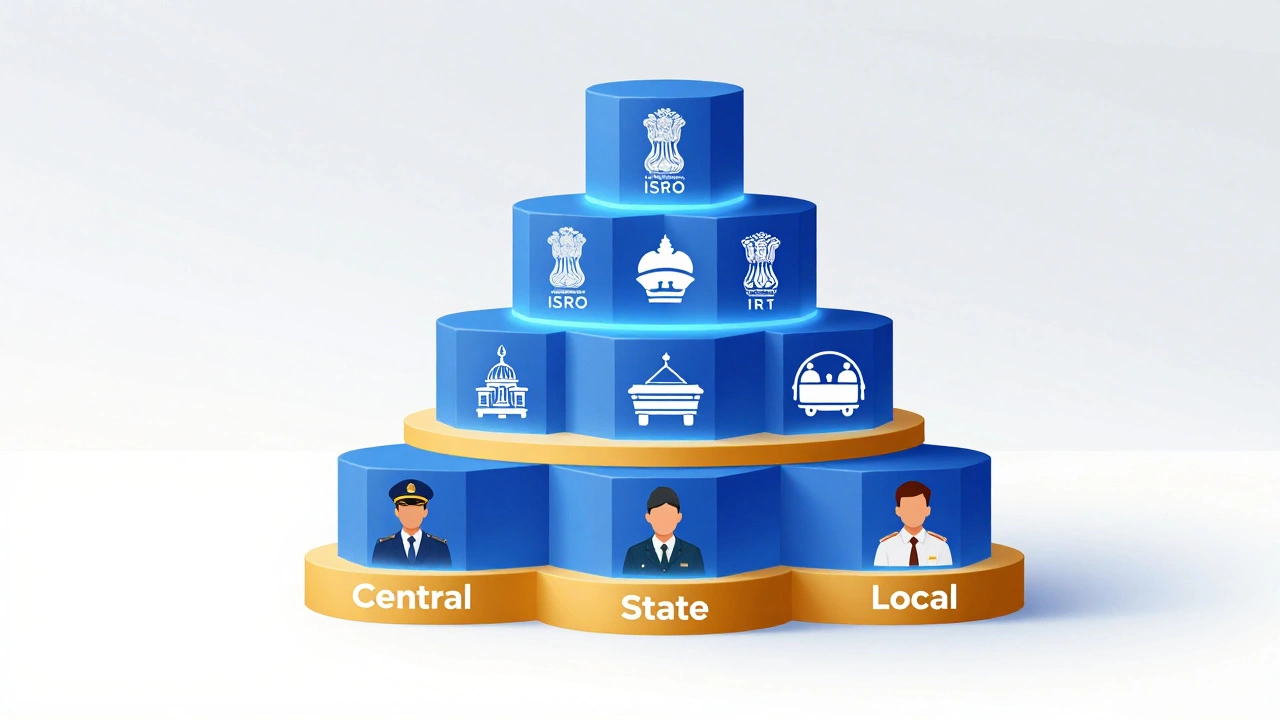
Before you apply, you need to know who you’re applying to. "Government" isn’t a single entity; it’s a massive ecosystem. In the United States, for example, we have three main levels: federal, state, and local. Each has its own hiring processes, benefits, and cultures.
Federal jobs are handled by agencies like the Department of Defense, NASA, or the CIA. These roles often require security clearances and offer nationwide mobility. State jobs might involve working for the Department of Motor Vehicles or state police. Local jobs include city planners, school administrators, or municipal police officers. Knowing which level aligns with your goals is step one.
Then there’s the distinction between elected officials and appointed civil servants. You’re likely aiming for the latter-the permanent workforce that keeps the lights on regardless of who wins the next election. This group includes everything from entry-level administrative assistants to high-ranking policy analysts.
Step 1: Identify Your Pathway
There is no single "government job." There are thousands of categories. To start, you must identify which branch suits your skills. Are you a coder? The IRS needs data scientists. Love biology? The CDC hires epidemiologists. Interested in law enforcement? Look into the FBI or local sheriff departments.
Here are the most common entry points:
- Civil Service Exams: Many positions, especially in law enforcement, firefighting, and administrative roles, require passing a standardized test. These exams assess logical reasoning, math, and situational judgment.
- Internships and Fellowships: Programs like the Presidential Management Intern (PMI) program or Peace Corps allow you to gain experience while studying or after graduation. These are golden tickets for networking.
- Direct Hire Authority: Some agencies have direct hire authority for critical skills, bypassing the traditional competitive process. If you’re a cybersecurity expert, this could be your fast track.
- Contract Work: Sometimes, the government hires contractors before offering permanent roles. It’s a foot in the door, though benefits may differ initially.
Step 2: Master the Application Process
Applying for a government job is radically different from sending a resume to a tech startup. In the private sector, recruiters skim resumes for keywords. In the public sector, they use automated systems that scan for specific qualifications. If you miss one keyword, you’re out. Period.
The primary portal for federal jobs in the US is USAJOBS.gov. For other countries, similar centralized portals exist (like CivilServiceJobs.ca in Canada or FindAPublicJob.gov.uk in the UK). Here’s how to win:
- Tailor Every Resume: Don’t send a generic CV. Mirror the language in the job description. If they ask for "project management," use those exact words. Use bullet points that highlight achievements, not just duties.
- Answer Supplemental Questions: Most applications require essays answering behavioral questions. Use the STAR method (Situation, Task, Action, Result) to structure your answers. Be concise but detailed.
- Proofread Relentlessly: Attention to detail is paramount in government work. A typo can signal carelessness. Have someone else review your application.
Step 3: Prepare for the Civil Service Exam
For many roles, the exam is the gatekeeper. These tests aren’t about memorizing facts; they measure aptitude. Common sections include verbal comprehension, numerical reasoning, and logical thinking.
Preparation is key. Buy official practice guides. Take timed mock exams. Understand the scoring rubric. For example, if you’re aiming for a police academy entrance exam, physical fitness tests are also part of the process. Start training months in advance.
Remember, these exams are designed to filter candidates efficiently. They look for consistency and accuracy under pressure. Practice makes perfect here.
Step 4: Navigate Background Checks and Security Clearances
This is where many candidates stumble. Government jobs often require thorough background checks. For sensitive roles, you’ll need a security clearance. This process can take months. It involves interviews with neighbors, employers, and financial history reviews.
To smooth this process:
- Keep Finances Clean: High debt or unpaid taxes can raise red flags. Resolve any outstanding issues early.
- Be Honest: Never lie on an SF-86 form (for US federal clearances). Dishonesty is an automatic disqualification. If you have a minor criminal record, disclose it and explain rehabilitation efforts.
- Gather References: Have personal and professional references ready. Choose people who know you well and can vouch for your character.
Comparison: Federal vs. State vs. Local Jobs
| Feature | Federal | State | Local |
|---|---|---|---|
| Salary Scale | Generally higher, GS scale | Varies by state budget | Often lower, but cost of living adjusted |
| Hiring Speed | Slow (3-6 months) | Moderate (1-3 months) | Faster (weeks to months) |
| Benefits | Excellent pension, health insurance | Good, varies by agency | Variable, often less comprehensive |
| Job Stability | Very High | High | Moderate (budget dependent) |
| Application Portal | USAJOBS.gov | State-specific sites | City/County websites |

Pro Tips for Standing Out
Competition is fierce. How do you beat the odds? Network. Attend town halls. Join professional associations related to your field. Connect with current employees on LinkedIn. Ask informational interviews. People hire people they trust.
Also, consider volunteering. Non-profits often partner with government agencies. Volunteering shows commitment and gives you relevant experience. It’s a low-risk way to build your resume.
Finally, stay persistent. Rejection is part of the process. One bad score or missed keyword doesn’t mean failure. Learn, adjust, and apply again.
Common Pitfalls to Avoid
Many applicants make simple mistakes that cost them opportunities. Avoid these traps:
- Ignoring Deadlines: Government postings have strict closing dates. Miss it, and you’re out. Set calendar reminders.
- Generic Applications: Copy-pasting resumes gets flagged. Customize every submission.
- Underestimating Physical Tests: For law enforcement or fire roles, physical fitness is non-negotiable. Train accordingly.
- Neglecting Soft Skills: Communication and teamwork matter. Highlight these in your essays.
Next Steps: Building Your Long-Term Career
Once you land that first job, the real journey begins. Government careers offer long-term growth. Pursue further education. Many agencies pay for graduate degrees. Seek mentorship. Move laterally to gain diverse experience. Aim for leadership roles.
Public service is a marathon, not a sprint. With patience, preparation, and passion, you can build a meaningful career that serves your community for decades.
What is the easiest government job to get?
Entry-level administrative roles, such as clerical support or customer service representatives, are often the easiest to secure. These positions typically require a high school diploma or associate degree and basic computer skills. However, competition can still be high due to the stability these roles offer.
Do I need a degree to work in government?
Not always. While many professional roles require a bachelor’s or master’s degree, numerous positions in law enforcement, corrections, and administrative support only require a high school diploma or equivalent. Trade schools and certifications can also qualify you for technical roles.
How long does the government hiring process take?
The timeline varies significantly. Federal jobs can take 3 to 6 months from application to offer due to rigorous vetting. State and local jobs may move faster, often within 1 to 3 months. Direct hire authorities can shorten this to weeks for critical skill sets.
Can I work in government with a criminal record?
It depends on the nature of the offense and the role. Minor infractions may not disqualify you, especially if you’ve demonstrated rehabilitation. However, serious felonies, particularly involving violence or fraud, will likely bar you from most positions, especially those requiring security clearances.
What are the best benefits of a government career?
Government jobs are renowned for their strong benefit packages. These typically include generous retirement plans (like the FERS system in the US), comprehensive health insurance, paid leave, and job security. Work-life balance is also generally better than in the private sector.