What are the 4 Digital Platforms? A Guide to E-Learning Types
Discover the four main types of digital platforms in e-learning: LMS, MOOCs, Virtual Classrooms, and Marketplaces. Learn how each serves different educational goals.
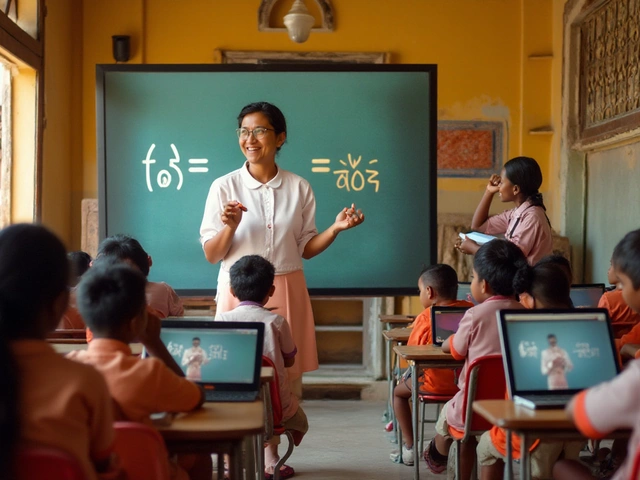
When you think about digital platforms, online systems that deliver education, training, or learning content over the internet. Also known as e-learning platforms, they’re no longer optional—they’re the backbone of how students in India prepare for JEE, NEET, UPSC, and even learn to code. Whether you’re a high schooler grinding through mock tests or a professional upgrading skills after 30, digital platforms are where the real learning happens now.
These platforms come in three main types: LMS, Learning Management Systems used by schools and coaching centers to track progress, assign lessons, and host quizzes; MOOCs, Massive Open Online Courses that let anyone enroll for free or low cost, often from global providers; and competitive exam apps, mobile-first tools built specifically for Indian entrance exams, with daily quizzes, previous papers, and time-bound mocks. You’ll find all three types covered in the posts below. What sets the best ones apart? They don’t just dump content—they adapt to how you learn. Some track your weak spots. Others use spaced repetition to make sure you remember what you study. A few even simulate exam pressure with real-time timers and negative marking.
It’s not just about access anymore—it’s about effectiveness. A student in rural Bihar using a ₹200/month app can now outperform someone in a metro city with expensive coaching, if the app is smartly designed. The most successful digital platforms for learning in India combine simplicity, affordability, and data-driven feedback. They’re built for the Indian student: no fluff, no long videos, no English-only content. They speak Hindi, Tamil, or Bengali when needed. They work on low-end phones. They sync offline. They know that your biggest enemy isn’t the syllabus—it’s burnout.
What you’ll find here are real reviews, comparisons, and breakdowns of the tools students are actually using. From the best coding apps for beginners to the top NEET coaching platforms, from LMS systems used by top NITs to the apps that help you manage exam stress—you’ll see what’s working, what’s overhyped, and what’s quietly changing how India learns.

Discover the four main types of digital platforms in e-learning: LMS, MOOCs, Virtual Classrooms, and Marketplaces. Learn how each serves different educational goals.

E-learning platforms have transformed how we access education by offering interactive, flexible, and accessible alternatives to traditional classrooms. These digital platforms vary greatly in structure and offerings, from live-streamed lectures to self-paced courses. Important factors when considering an e-learning platform include usability, content variety, and cost. Technology enables personalized learning and collaborations across geographical boundaries, fostering a thriving, global educational landscape.