What Is the Toughest Exam in the USA?
The USMLE Step 2 CK, California Bar Exam, and CPA Exam are among the toughest in the USA. Learn why these tests break candidates mentally, financially, and emotionally-and what it takes to pass.
When you hear CPA exam, the rigorous certification test for becoming a Certified Public Accountant in the United States. Also known as Uniform CPA Examination, it's the gateway to high-paying accounting roles, auditing firms, and corporate finance leadership. This isn’t just another test—it’s a multi-day, four-part marathon that separates entry-level accountants from trusted financial experts.
The Certified Public Accountant, a licensed professional authorized to audit financial statements and file reports with the SEC credential is required if you want to sign off on public company audits, advise on tax strategy for large businesses, or work in forensic accounting. It’s not optional in top firms—Big Four accounting companies like PwC and Deloitte require it. Even outside traditional accounting, companies in finance, consulting, and even tech want CPAs because they bring credibility, precision, and deep knowledge of U.S. GAAP and tax law.
Passing the CPA exam, a four-section test covering auditing, financial accounting, regulation, and business environment means mastering complex material under pressure. Each section is four hours long, and you must pass all four within 18 months. The pass rate hovers around 50%, and most candidates spend 300–400 hours studying. It’s not about memorizing formulas—it’s about applying rules to real-world scenarios. You need to think like an auditor, interpret tax codes, and spot financial red flags.
What’s the payoff? CPA salary, the average earnings for certified public accountants in the U.S., typically 10-15% higher than non-certified peers starts at $70,000 and can jump past $120,000 in major cities or corporate roles. In India, CPAs working for U.S.-based firms or multinationals earn significantly more than local accountants with similar experience. The credential opens doors to global opportunities, especially if you’re targeting roles in finance, compliance, or international taxation.
Many of the posts here tackle similar themes: how to survive high-pressure exams, what makes a certification worth the effort, and how to turn tough tests into career advantages. You’ll find insights on managing exam stress, choosing the right prep resources, and understanding what employers really look for in certified professionals. Whether you’re just starting out or already juggling work and study, the real question isn’t whether you can pass the CPA exam—it’s whether you’re ready to commit to the grind. The answers you need are below.
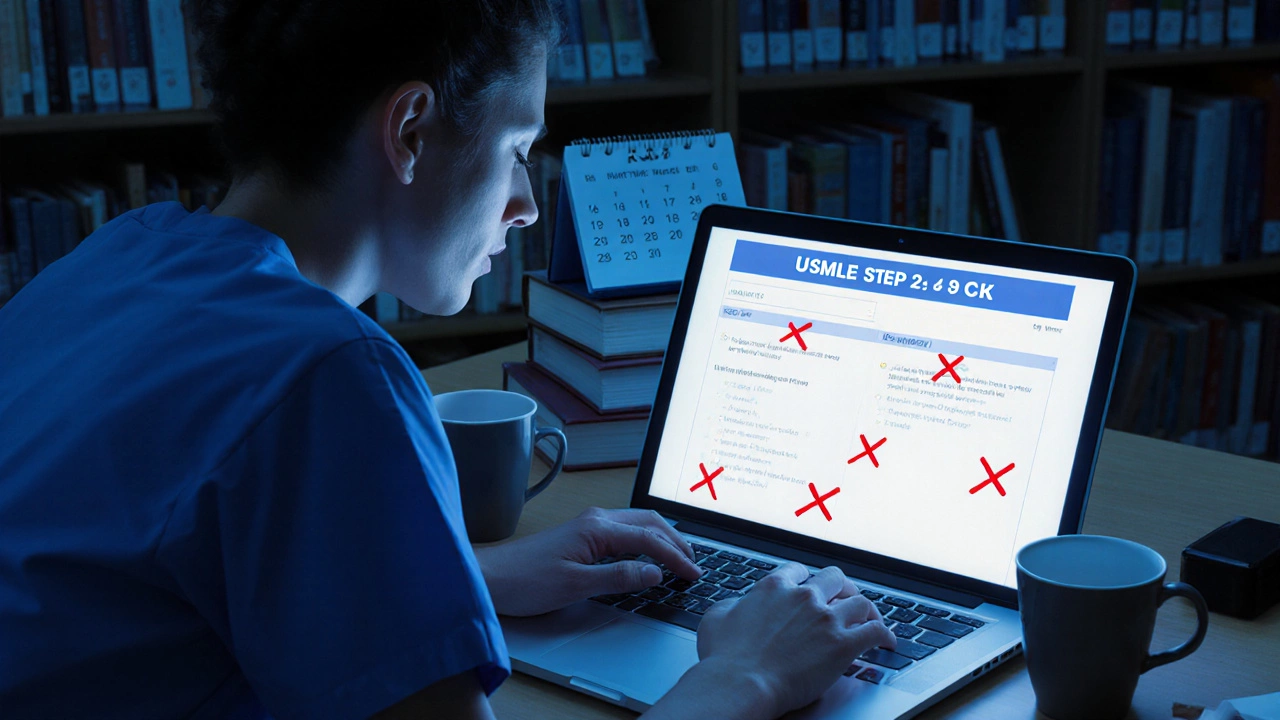
The USMLE Step 2 CK, California Bar Exam, and CPA Exam are among the toughest in the USA. Learn why these tests break candidates mentally, financially, and emotionally-and what it takes to pass.