CBSE vs ICSE: Key Differences That Actually Matter for Indian Students
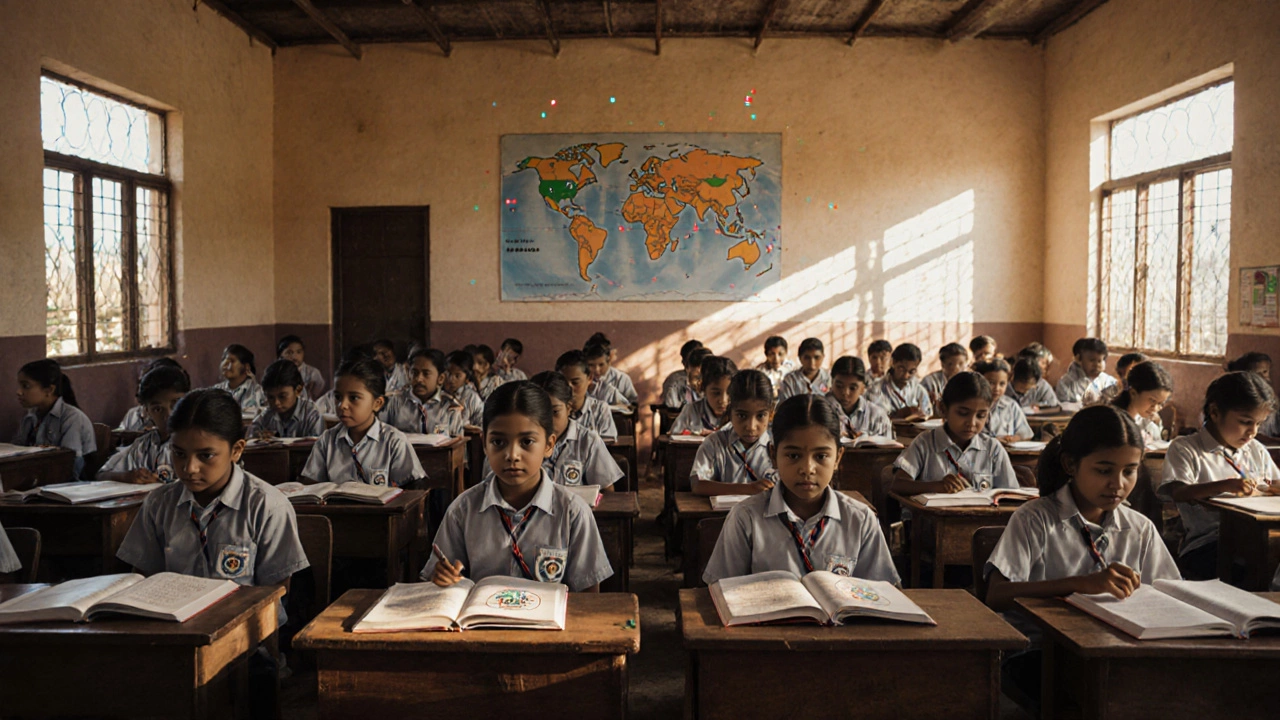
When it comes to school boards in India, CBSE, the Central Board of Secondary Education, is the most common board used in government and private schools across the country and ICSE, the Indian Certificate of Secondary Education, run by the CISCE, is known for its detailed, language-heavy curriculum. Most parents pick one without knowing how these two systems actually shape learning, exam performance, and future opportunities. The truth? They’re not just different—they push students in completely different directions.
CBSE focuses on core subjects like math and science, with a syllabus designed for national-level competitive exams like JEE and NEET. If your kid is aiming for engineering or medicine, CBSE gives them a direct path. The questions are predictable, the marking is straightforward, and the textbooks are tightly aligned with entrance exam patterns. ICSE, on the other hand, spreads learning wider. It includes more English literature, project work, and internal assessments. Students spend more time writing essays, analyzing texts, and doing research. That’s great if they’re heading toward humanities, law, or abroad—where critical thinking and communication matter more than rote recall.
The exam structure tells the real story. CBSE papers are mostly objective and short-answer, with clear right or wrong answers. ICSE exams demand long-form answers, proper structure, and detailed explanations. One student might ace CBSE by memorizing formulas; another might crush ICSE by explaining why a poem uses metaphor. Neither is better—but they reward different skills. And when it comes to college admissions, top Indian universities accept both, but foreign schools often see ICSE as more rigorous because of its depth. CBSE is the safe bet for India-focused careers. ICSE is the quiet advantage if you’re thinking beyond borders.
There’s no one-size-fits-all answer. If your child thrives under pressure and wants to crack JEE, CBSE gives them the tools. If they love reading, writing, and digging into topics, ICSE lets them grow deeper. The real question isn’t which board is harder—it’s which one matches how your child learns. Below, you’ll find real comparisons from parents and students who’ve been through both, plus insights on how each board affects coaching, stress levels, and long-term success.