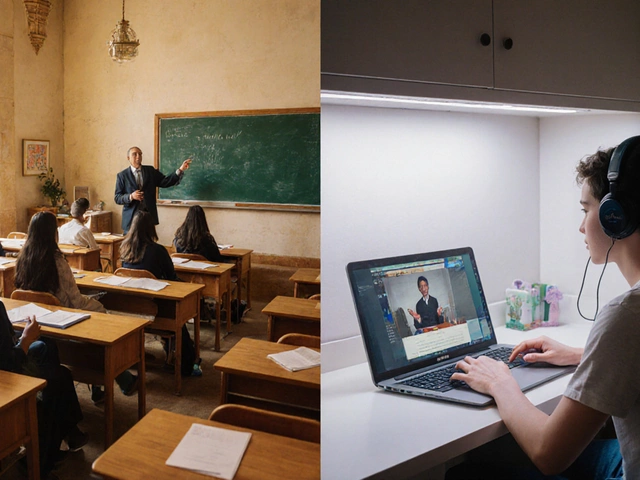
Vocational vs Academic Education: Key Differences Explained
Learn the core differences between vocational and academic education, compare costs, duration, credentials, and career outcomes, and find the right path for your goals.
When we talk about academic education, the structured, curriculum-based learning system that leads to degrees and formal qualifications. Also known as formal education, it’s what schools, colleges, and universities use to prepare students for careers, competitive exams, and higher learning. But here’s the thing—academic education isn’t just about memorizing textbooks or passing exams. It’s the backbone of everything from cracking the JEE, the high-stakes engineering entrance exam in India that filters thousands for IITs, to getting into a top MBA, a postgraduate degree that transforms careers, especially for professionals over 30. It’s what makes the UPSC, India’s toughest civil service exam that demands years of disciplined study even possible to tackle.
Academic education sets the rules, but it doesn’t always define the outcome. Many people with average grades crush competitive exams because they learned how to think, not just recall. Others with top degrees struggle because their education didn’t teach them problem-solving under pressure. That’s why the most successful students aren’t always the ones with the highest marks—they’re the ones who turned academic training into strategy. Whether you’re prepping for the Gaokao, China’s national college entrance exam known for its extreme difficulty, trying to get into an NIT with a specific JEE percentile, or wondering if an MBA after 30 is worth it, your academic background matters—but not in the way most people think.
What you study matters less than how you use what you’ve learned. A degree in an obscure field won’t help you crack UPSC if you don’t know how to analyze current affairs. A business degree won’t get you into Harvard’s MBA if you can’t show leadership beyond the classroom. Academic education gives you the tools, but it’s your mindset, discipline, and ability to adapt that turn those tools into results. The posts below show real stories: how people with no business background landed top MBAs, how mental ability beats rote learning in JEE, and why some degrees are practically useless for competitive exams. You’ll see what actually works, what doesn’t, and how to make your academic journey count—no matter where you start.

Learn the core differences between vocational and academic education, compare costs, duration, credentials, and career outcomes, and find the right path for your goals.