What is the fastest way to become a teacher in the UK?
The fastest way to become a teacher in the UK is through a salaried SCITT or Teach First programme - you can qualify in just 9 months with no tuition fees and a salary while you train.

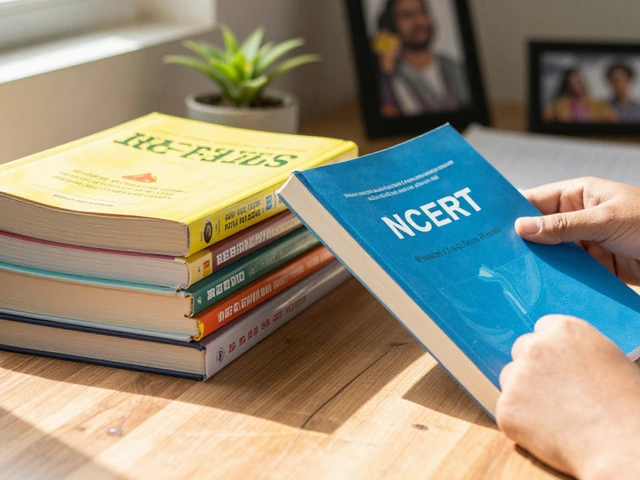
Learning English efficiently requires a blend of interactive methods, dedication, and the right resources. Discover tips for creating an immersive environment, harnessing the power of multimedia, and finding the best courses. This guide offers practical advice to speed up language acquisition, ensuring you become proficient in English. Whether you're a beginner or an advanced learner, uncover techniques to elevate your English fluency.
Ever wondered where the world's most challenging math comes from? This article digs into math competitions across different countries, unpacks what sets their problems apart, and explains why some nations keep coming out on top. You'll find real examples, behind-the-scenes details, and tips for tackling tricky math challenges. If you're thinking about entering a tough exam, or just curious how your country's math stacks up, this one's for you. Discover where math gets seriously intense.
Navigating the vast world of online courses can be tricky, but finding the right platform can make all the difference. This article explores the top sites offering exceptional online courses, highlighting unique features, user experiences, and course quality. Gain insights into which platforms cater to diverse learning needs, from coding and business to art and wellness. Unlock the potential of e-learning with the best sites that match your goals.
Yes, free online degrees exist in 2025-but only from accredited institutions like University of the People and German public universities. Learn where to find them, how to avoid scams, and how to start without paying tuition.
eLearning platforms promise flexibility but fail to support learners with structure, feedback, and human connection. Real problems include isolation, poor engagement, and tech barriers-not lack of content.