Best Online Learning Platforms for 2026: A Complete Comparison Guide
Struggling to choose the best online learning platform? Compare Coursera, Udemy, and more to find the right fit for your career goals, budget, and learning style in 2026.
When you think of online learning platforms, digital spaces where people take courses, earn certificates, or even complete full degrees without stepping into a classroom. Also known as e-learning platforms, they’ve become the new classroom for millions of students, job seekers, and professionals across India. Whether you’re trying to learn Python, prepare for UPSC, or improve your English, these platforms give you access to content that used to cost thousands—or wasn’t available at all.
Not all online learning platforms are the same. Some, like MOOC, massive open online courses that let anyone enroll for free, often from top universities, focus on broad subjects like computer science or public speaking. Others, like LMS, learning management systems used by schools and companies to track progress and deliver structured lessons, are more controlled and often require login access. Then there are apps and sites built just for coding, language practice, or competitive exam prep—tools that fit into your daily routine, not your schedule.
What makes these platforms powerful isn’t just the content—it’s how they match your life. You can learn English speaking for free on your phone during your commute. You can finish a coding bootcamp in three months without quitting your job. You can even earn a real degree online from accredited schools like University of the People, without paying tuition. The barrier isn’t money anymore—it’s knowing where to start.
India’s education system is shifting fast. CBSE students use these tools to prep for JEE. Working adults in Bangalore take MOOCs to switch careers. Parents in small towns find free resources to help their kids with English. And it’s all happening because online learning platforms removed the need for expensive coaching centers, long commutes, or rigid timetables.
You’ll find real stories here—not hype. How to pick the best coding class without getting scammed. Why some free degrees actually lead to jobs. Which apps help you speak English confidently without ever saying a word out loud. And how the toughest exams in the world—like UPSC or IIT JEE—are now being cracked by people who learned on their phones.
This collection doesn’t just list tools. It shows you which ones deliver results, which ones waste your time, and how to use them like a pro—no matter your budget, background, or starting point.

Struggling to choose the best online learning platform? Compare Coursera, Udemy, and more to find the right fit for your career goals, budget, and learning style in 2026.
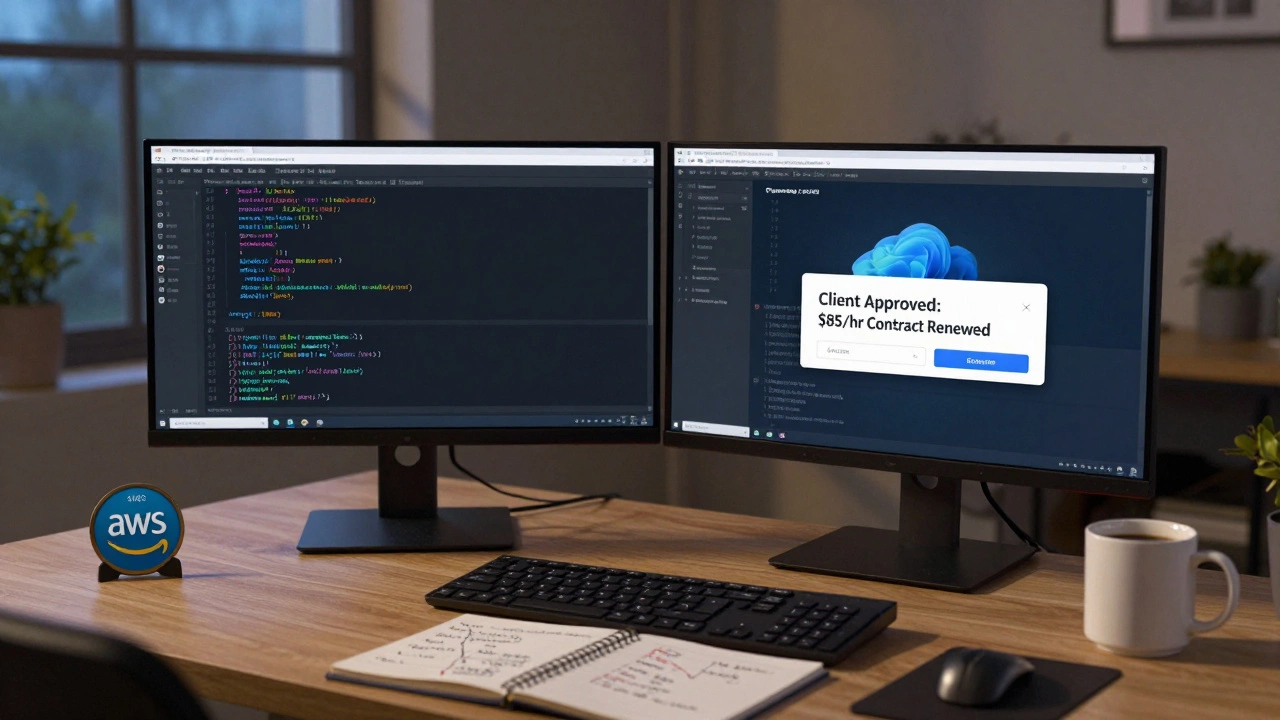
The highest paying online platform isn't Udemy or Coursera-it's Upwork, where skilled freelancers earn $100K+ annually by solving real business problems. Learn which skills pay most and how to start earning fast.
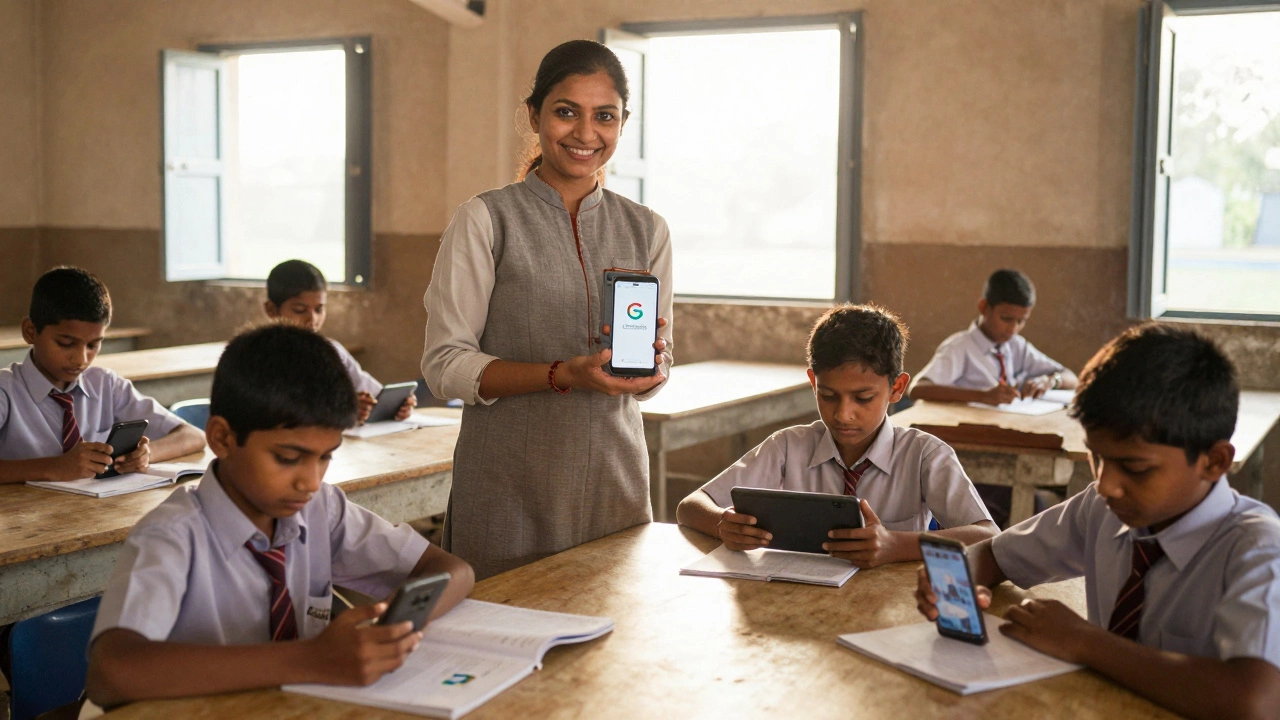
Google Classroom is the most used digital learning platform worldwide, trusted by over 150 million students and teachers for its simplicity, free access, and seamless integration with everyday tools like Gmail and Docs.