Traditional vs Distance Education: Key Differences Explained
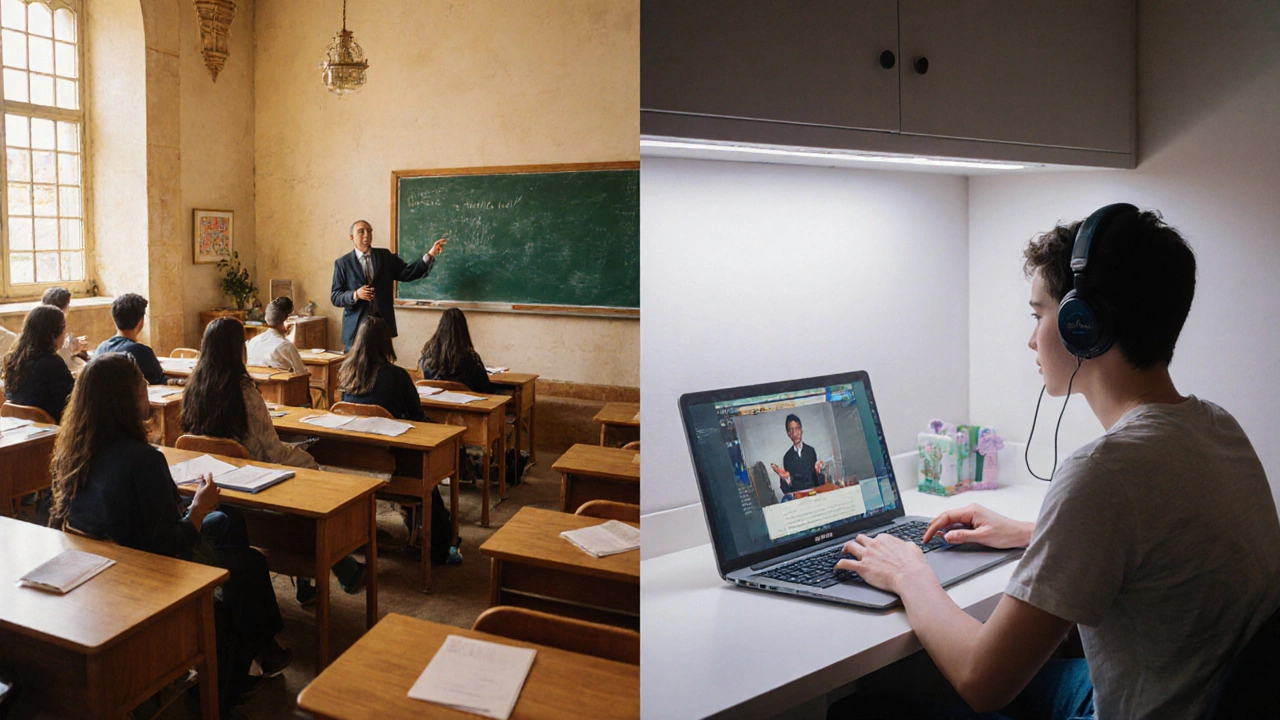
Explore how traditional and distance education differ in delivery, interaction, cost, technology, and accreditation, and learn how to choose the best fit for your goals.
When you think of online learning, a way to access education over the internet without needing to be in a physical classroom. Also known as e-learning, it lets students in small towns in Bihar or big cities like Mumbai study for JEE, NEET, or UPSC from their phones, often for a fraction of the cost of coaching centers. It’s not just videos and PDFs anymore—it’s live doubt-solving sessions, AI-driven practice tests, and peer study groups that keep you accountable.
Most Indian learners use LMS, a platform where teachers upload lessons, assignments, and track progress like Google Classroom or Unacademy’s dashboards. But if you’re looking for structured courses from global universities, you’re probably using a MOOC, a massive open online course platform that offers free or low-cost classes from top schools like Coursera or edX. And if you’re working while studying, you might be on a corporate training platform, a system designed for professionals to upskill without quitting their jobs like LinkedIn Learning or BYJU’S for executives.
What makes online learning stick for Indian students isn’t the tech—it’s the consistency. The best learners don’t just watch lectures. They schedule daily practice, use apps to track progress, and join WhatsApp groups to quiz each other. A student in Rajasthan can now get the same NEET coaching material as someone in Delhi, but only if they stick to a routine. That’s why the top-performing students on platforms like Unacademy or Vedantu treat online learning like a job: same hours, same discipline, same goals.
It’s not perfect. Internet drops, distraction overload, and fake "guaranteed success" ads make it messy. But when it works, online learning levels the playing field. A girl in a village with no coaching center can crack IIT JEE because she found the right YouTube teacher and a free LMS with past papers. That’s the power here—not the platform, but the access.
Below, you’ll find real stories from students who used online tools to pass tough exams, comparisons of the best platforms for different goals, and tips to avoid wasting time on apps that promise everything but deliver nothing. Whether you’re preparing for a competitive exam, learning to code, or thinking about an MBA after 30, there’s something here that matches your path.
Explore how traditional and distance education differ in delivery, interaction, cost, technology, and accreditation, and learn how to choose the best fit for your goals.
Discover how to create your own online course for free. Learn the best platforms, tips, and tools to launch your course and share your expertise easily.
Curious about the smartest thing to learn online? Discover which online skills pay off most in 2025, where to find the best courses, and what makes some skills worth your screen time.
Distance education isn't just about watching recorded lectures or emailing assignments. It's a mix of tech, independence, and connection that has changed the way we learn. From flexible schedules to global classrooms, distance education has totally redefined access to knowledge. Get a real look at what actually makes up distance education, what works, and how to make it work for you. This article unpacks the layers, myths, and practical details you need to know.
Online learning has revolutionized education, offering diverse courses for various skill levels. The easiest online courses vary depending on personal interests, with some focusing on hobby-based learning, others on skill development. This article explores key factors to consider when choosing an easy course, highlights popular options, and provides tips to enhance your online education experience.
Curious about which short-term online courses can lead to the highest salaries? This guide dives into top choices that blend convenience with lucrative outcomes. Discover insightful tips and interesting facts to maximize your career potential.
E-learning platforms have transformed how we access education by offering interactive, flexible, and accessible alternatives to traditional classrooms. These digital platforms vary greatly in structure and offerings, from live-streamed lectures to self-paced courses. Important factors when considering an e-learning platform include usability, content variety, and cost. Technology enables personalized learning and collaborations across geographical boundaries, fostering a thriving, global educational landscape.
This article cuts through the endless options for online English learning and pinpoints the best platforms for speaking fluently. You’ll get real insights into what actually helps people break through the barrier of hesitation. We’ll lay out the top picks, why they work, and share facts often missed by typical review lists. Expect down-to-earth advice, honest comparisons, and easy tips you can use right away. If you want your English to sound smooth and confident, this guide is for you.
Explore what it takes to achieve the highest rank in one of India's most competitive exams, the Joint Entrance Examination (JEE). This article provides insights into the strategies and mindset of those who have topped the JEE, offering tips on study techniques, resource management, and mental preparation. Understand the journey of becoming an All India Rank 1 and the dedication required to excel at this level. Delve into the inspiring stories of past toppers and their approach to cracking one of the toughest exams in the world.
Explore how traditional and distance education differ in delivery, interaction, cost, technology, and accreditation, and learn how to choose the best fit for your goals.
Achieving fluency in the English language involves honing four essential skills: reading, writing, speaking, and listening. Each skill requires dedicated practice and engagement with various resources and activities to improve. The journey to proficiency includes understanding contextual nuances, expanding vocabulary, and interacting with native speakers. Through practical exercises and immersive experiences, one can significantly enhance their command of the language. The integration of these skills leads to effective communication and broader opportunities.
Find out if Harvard accepts students from the CBSE board, how the process works for Indian applicants, and tips to boost your admission chances.