Is Google Classroom Shutting Down? Latest Updates on the Platform in 2025
Curious if Google Classroom is going away? Get the facts on Google’s plans for its education platform, who’s affected, and what teachers should know in 2025.
When Google Classroom, a widely used learning management system for K-12 and higher education. Also known as Google’s digital classroom platform, it was the go-to tool for teachers in India and around the world to assign work, track progress, and communicate with students. But now that it’s been discontinued, schools are scrambling to find alternatives that are just as simple, reliable, and affordable. The shutdown didn’t catch everyone off guard—Google had signaled this move for months—but for many teachers who relied on it daily, the transition felt sudden. No more automatic gradebooks. No more one-click assignment distribution. No more seamless integration with Google Docs and Meet. What’s left behind isn’t just software—it’s a habit, a rhythm, a system that shaped how millions of students learned during remote and hybrid schooling.
So what’s filling the gap? Microsoft Teams for Education, a free, all-in-one platform for virtual classrooms with built-in collaboration tools. Also known as Teams EDU, it’s quickly becoming the top replacement, especially in schools already using Microsoft 365. Meanwhile, Schoology, a robust LMS with strong grading and analytics features. Also known as learning management system for schools, is gaining traction among larger institutions. And let’s not forget open-source options like Moodle, a flexible platform that lets schools customize every part of their digital classroom. Also known as open-source LMS, it’s popular in government schools that need full control over data and infrastructure. Each has strengths: Teams wins for ease of use, Schoology for depth, and Moodle for control. But none offer the same effortless sync with Google’s ecosystem that made Classroom so popular.
Teachers aren’t just switching platforms—they’re rethinking how they teach online. Many are combining tools: using Google Meet for live classes, Padlet for student discussions, and Quizizz for quick checks. Others are going back to basics, using WhatsApp groups or email for assignments because they’re familiar and don’t require training. The real challenge isn’t finding a new app—it’s rebuilding trust and routine. Students who struggled with self-discipline during remote learning need structure, not more apps. Parents who already felt overwhelmed by tech now face learning another system. And schools with limited IT support? They’re stuck choosing between complexity and simplicity.
What you’ll find below are real stories from Indian educators who made the switch. Some found better tools. Others regretted leaving Google Classroom behind. There are tips on how to migrate grades, how to train students on new platforms, and how to avoid common mistakes when moving away from a system you’ve depended on for years. This isn’t about nostalgia—it’s about survival. The future of education isn’t tied to one platform. It’s tied to what works for teachers, students, and families when the tech fails, the internet drops, or the next big change comes along.
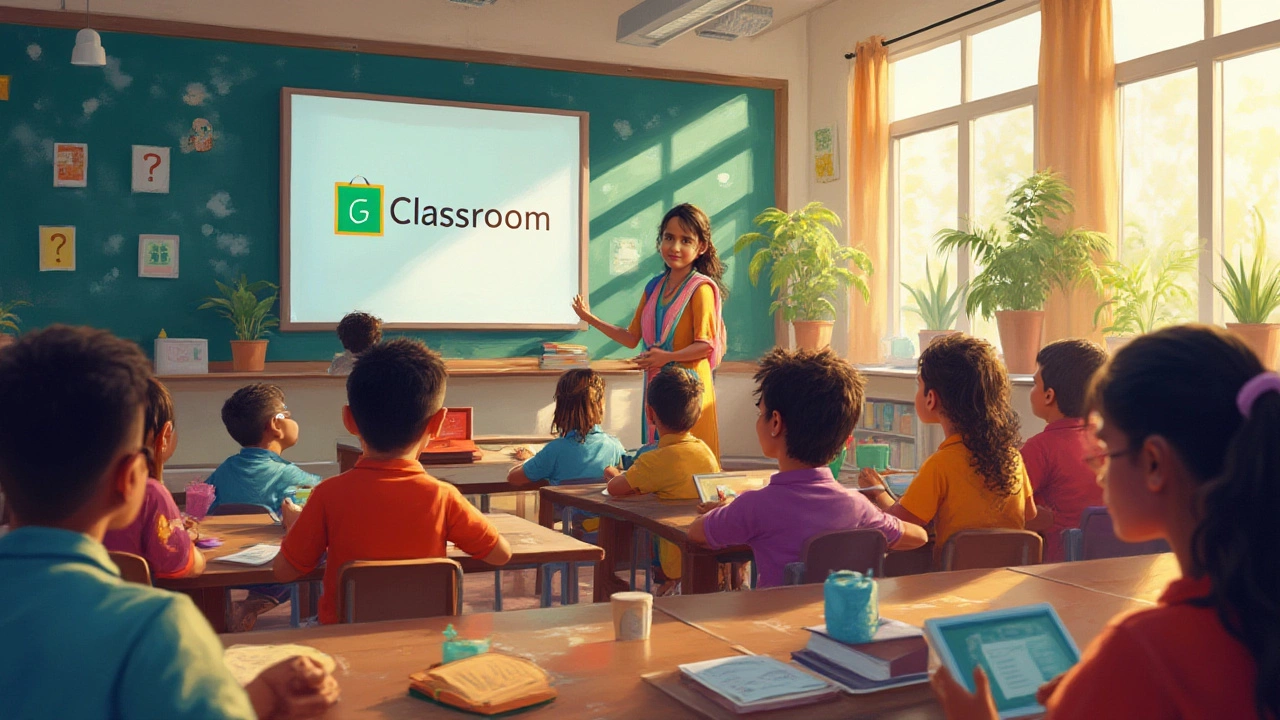
Curious if Google Classroom is going away? Get the facts on Google’s plans for its education platform, who’s affected, and what teachers should know in 2025.