What Is the Most Feared Subject in Competitive Exams? A Data‑Driven Look
Discover which subjects top the fear list in India's biggest competitive exams, why they intimidate students, and practical strategies to conquer them.
When you're preparing for exam anxiety, the overwhelming stress and fear that shows up before or during high-stakes tests, it’s not just about forgetting formulas or missing sleep. It’s about your mind locking up when it matters most. This isn’t weakness—it’s a normal reaction to pressure, especially in exams like JEE Mains, the brutal engineering entrance exam that decides IIT admissions, UPSC Civil Services, India’s most competitive government job exam with less than 1% selection, or NEET preparation, the medical entrance test where a single mark can change your future. These aren’t just tests—they’re marathons of mental endurance, and anxiety doesn’t care how much you studied.
What makes exam anxiety worse isn’t the subject itself, but how you’ve been taught to see it. Schools and coaching centers push you to believe that one exam defines your worth. That belief turns every mock test into a life-or-death moment. You start avoiding practice papers because you fear failing. You lose sleep over a single wrong answer. You compare yourself to someone who scored 99.9% while you’re stuck at 95%. That’s not competition—it’s self-sabotage. The real issue isn’t your knowledge. It’s your relationship with pressure. Studies show that students who learn to manage anxiety perform better than those who study more but panic under test conditions. The fix isn’t more hours. It’s smarter habits: breathing before you start, writing down fears before the exam, and treating mistakes as data, not disasters.
You’ll find posts here that don’t just tell you to "stay calm." They show you how top scorers handle panic during JEE, how UPSC aspirants rebuild after failed attempts, and why NEET toppers say their secret wasn’t memorizing biology—it was mastering their mindset. You’ll see how competition, when twisted, becomes toxic, and how to turn it into fuel without burning out. No fluff. No clichés. Just real talk from people who’ve been there.
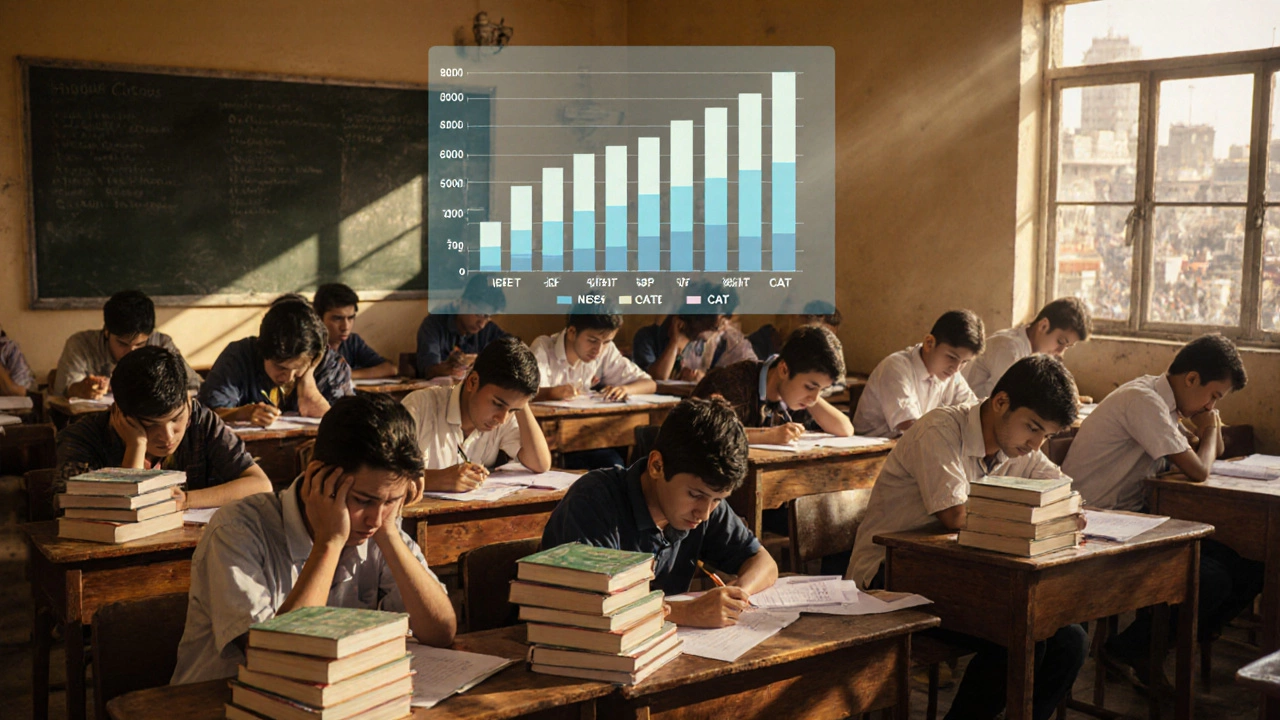
Discover which subjects top the fear list in India's biggest competitive exams, why they intimidate students, and practical strategies to conquer them.