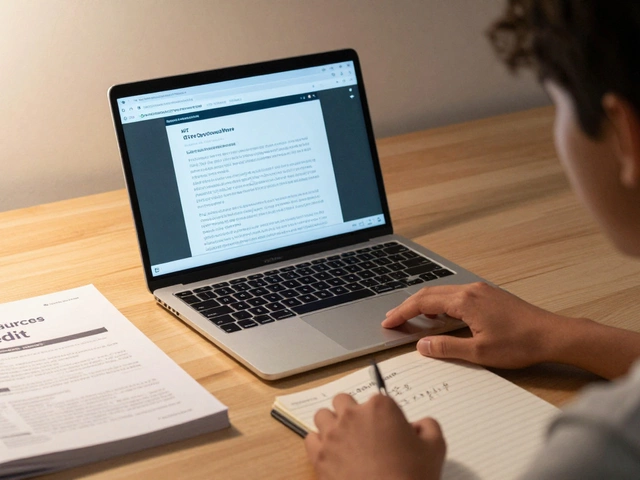
How to Speak English Fluently in 10 Days: A Step-by-Step Realistic Plan
Learn how to speak English fluently in 10 days with daily, practical steps focused on real speaking - not grammar or memorization. No fluff. Just actionable habits that work.
When you're trying to speak English better, English speaking practice, the daily habit of using spoken English to build confidence and fluency. Also known as conversational English practice, it's not about memorizing rules—it's about training your mouth, ears, and mind to react naturally in real situations. Most people think they need perfect grammar or a huge vocabulary to speak well. That’s not true. What matters is consistency. You don’t need to be fluent to start speaking—you start speaking to become fluent.
Think about how you learned your first language. No one sat you down with a textbook and said, "Recite this verb conjugation." You heard it, tried it, messed up, and tried again. That’s how English pronunciation, the way sounds, stress, and rhythm are produced in spoken English works too. It’s a muscle. If you don’t use it, it gets weak. Apps like language learning apps, digital tools designed to help users practice speaking, listening, and pronunciation through interactive exercises can help, but they’re just tools. The real work happens when you talk out loud—even if you’re alone. Repeat phrases from podcasts. Record yourself. Mimic how native speakers pause, laugh, or correct themselves. These small actions build neural pathways faster than any grammar lesson.
What holds most people back isn’t their ability—it’s their fear. Fear of sounding stupid. Fear of being misunderstood. Fear of making mistakes in front of others. But every fluent speaker made those mistakes. The difference? They kept going. conversational English, the natural, everyday use of English in real-life interactions rather than formal or academic settings isn’t about perfection. It’s about connection. Whether you’re ordering food, asking for directions, or chatting with a coworker, the goal is to be understood—and to understand others. That’s the real win.
You’ll find plenty of tips in the posts below: which apps actually move the needle, how to practice without a partner, what to do when you blank mid-sentence, and how to turn everyday moments into speaking practice. No fluff. No theory. Just what works when you’re tired, busy, or doubting yourself. This isn’t a class. It’s a toolkit. Use what fits. Skip what doesn’t. And keep talking.
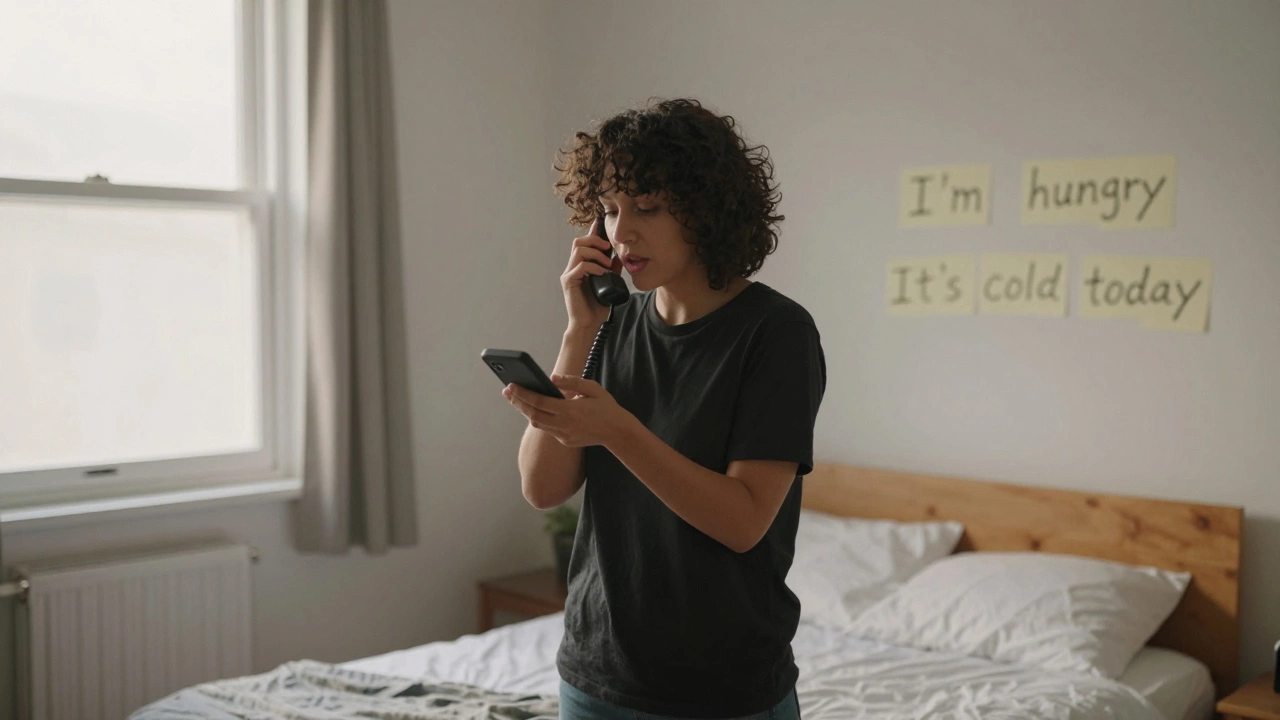
Learn how to speak English fluently in 10 days with daily, practical steps focused on real speaking - not grammar or memorization. No fluff. Just actionable habits that work.
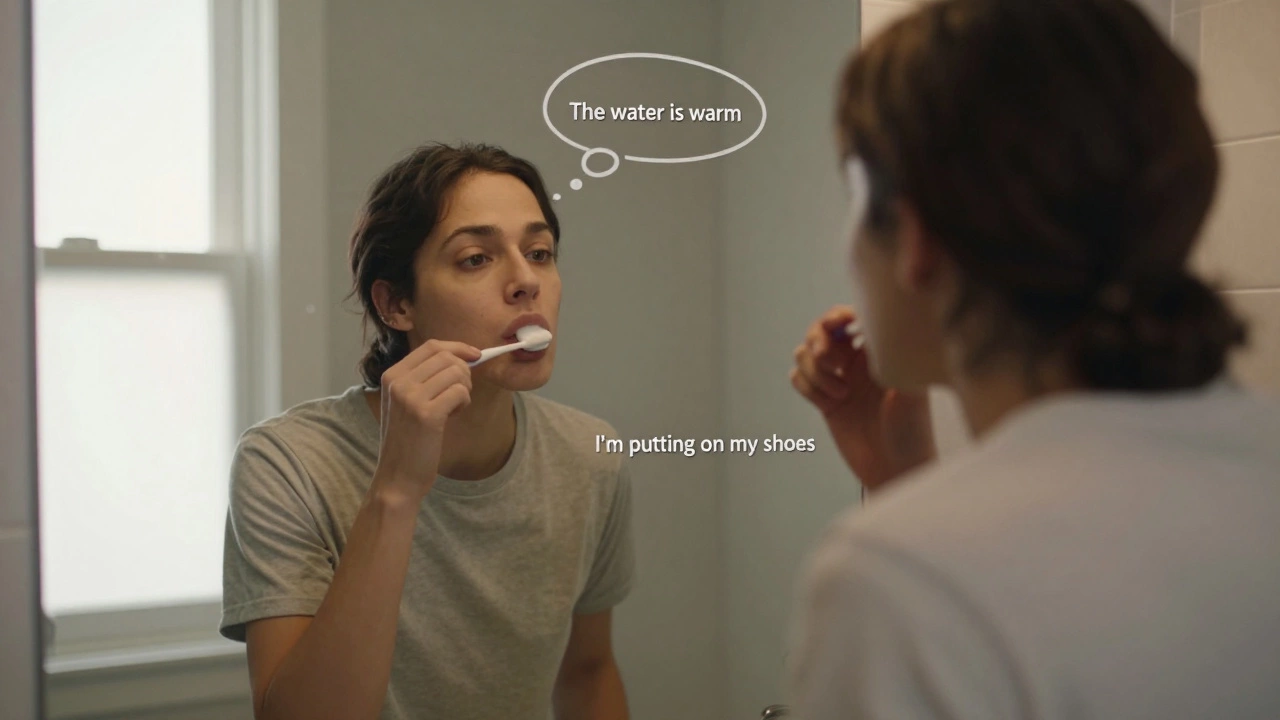
Learn how to train your brain to speak English confidently through daily practice, mindset shifts, and real-life speaking habits-not grammar drills or perfect pronunciation.
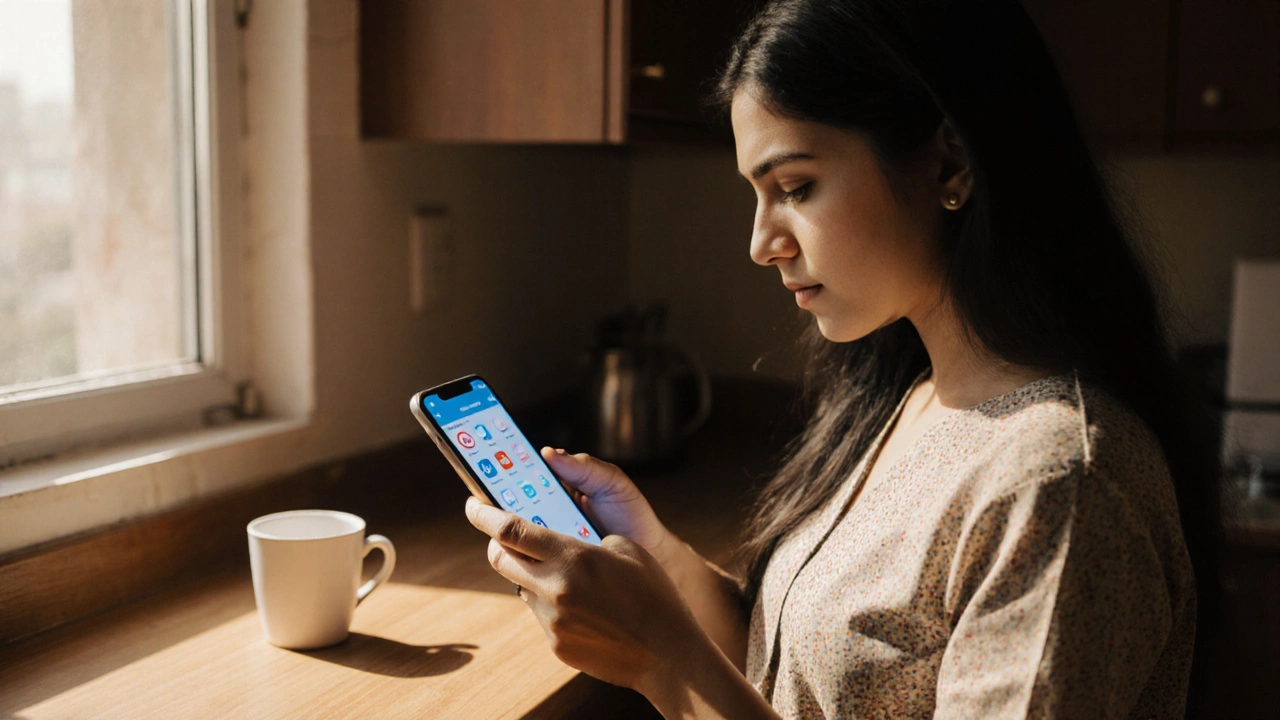
Stop struggling with textbooks. Discover 2025's most effective English learning methods: change your phone language, use TikTok for grammar, and turn daily routines into speaking practice. Includes free resource updates and real progress trackers.

Picking the best app for English speaking practice isn't as easy as downloading the first thing you see. This article looks at the top options, what makes each one stand out, and how real people are using them. Get ready for honest insights — no hype, just facts. Want to avoid wasting time and actually get better at speaking? You're in the right place. There are practical tips here whether you're learning alone or with a partner.