Vocational Training Explained with Real-World Examples
Learn what vocational training is, its key benefits, popular formats, real‑world examples, how to start, funding options, and future job prospects-all in one guide.
When you think of trade school, a type of post-secondary education focused on teaching specific skilled trades through hands-on training. Also known as vocational school, it prepares students for jobs that don’t require a bachelor’s degree but still pay well and offer stability. Unlike traditional college, trade school isn’t about theory—it’s about doing. You learn how to wire a house, fix an engine, install plumbing, or program CNC machines—all while earning a certificate or diploma in months, not years.
This isn’t a backup plan. It’s a smart choice. vocational education, skill-based learning focused on practical job readiness rather than academic theory is growing fast because employers need people who can show up and get the job done. You don’t need to memorize Shakespeare to become a licensed electrician. You need to know how to read blueprints, follow safety codes, and troubleshoot circuits. That’s what trade school gives you. And it’s not just for young people. Many adults switch careers this way—leaving office jobs for better pay, more control, and less student debt.
apprenticeship, a structured training program where you learn a trade by working under experienced professionals while getting paid is often part of the path. Some trade schools partner with unions or companies to offer these. You’re not just studying—you’re earning. By the time you finish, you’ve got experience, a license, and often a job waiting. Compare that to graduating college with $50,000 in debt and no guarantee of work in your field.
Trade school isn’t for everyone. If you dream of research, law, or medicine, you’ll need college. But if you want to build things, fix things, or work with your hands and get paid well from day one, this is one of the clearest paths forward. The jobs are real. The demand is real. And the results? People who finish trade school often earn more than college grads in their first five years.
Below, you’ll find real stories and data from people who’ve walked this path—what they learned, how they got hired, and why they never looked back. Whether you’re a student, a parent, or someone thinking about a career change, these posts cut through the noise and show you exactly how trade school works in today’s job market.
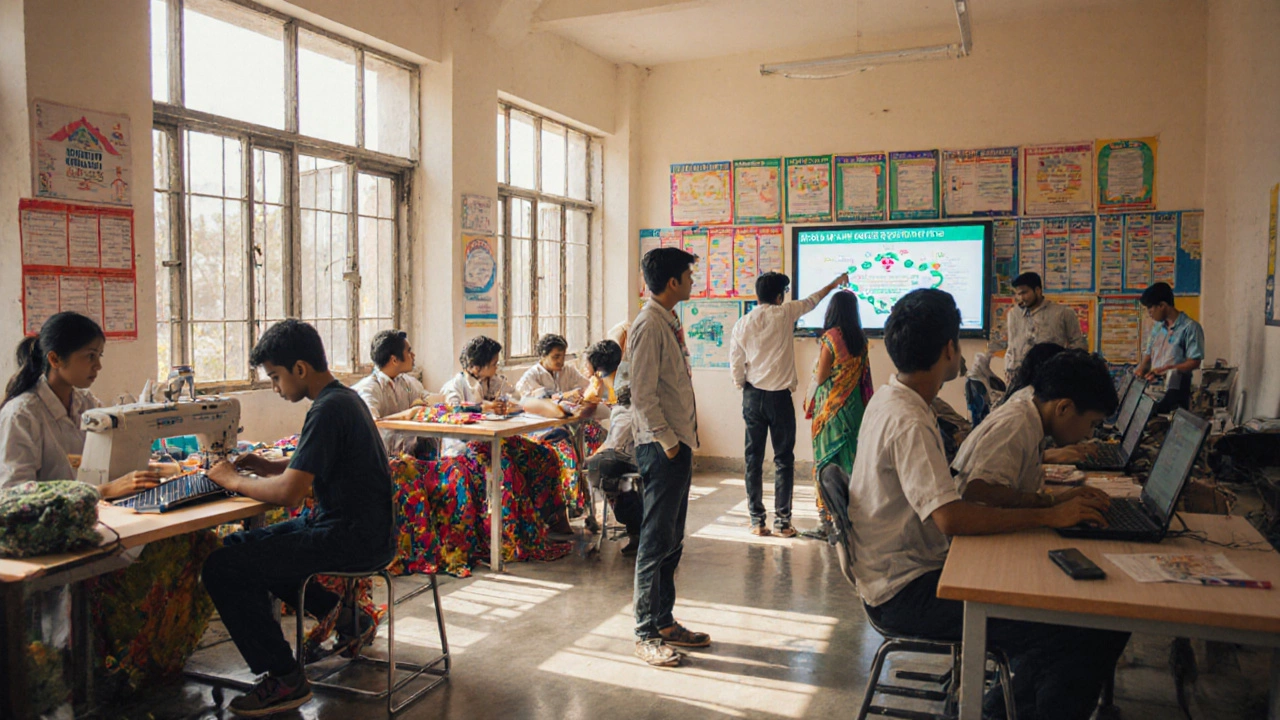
Learn what vocational training is, its key benefits, popular formats, real‑world examples, how to start, funding options, and future job prospects-all in one guide.