eLearning Example Explained: Real‑World Uses and Platforms
Discover real‑world eLearning examples-from MOOCs and LMSs to gamified apps-plus how they work, benefits, and tips for picking the right solution.
When you hear MOOC, a Massive Open Online Course that lets anyone with an internet connection take university-level classes for free or low cost. Also known as online learning platform, it has become a game-changer for students in India who can’t afford expensive coaching or international degrees. Unlike traditional classrooms, MOOCs don’t require you to be in a specific place at a specific time. You learn at your own pace, watch video lectures, take quizzes, and sometimes even earn certificates that employers recognize.
MOOCs are built on top of e-learning platforms, digital systems designed to deliver educational content online. These platforms include tools like discussion boards, automated grading, and progress tracking. Some, like Coursera and edX, partner directly with top universities like Harvard, Stanford, and IITs. Others, like NPTEL, are backed by the Indian government to bring high-quality technical education to rural students. The key difference between MOOCs and other e-learning types—like LMS or corporate training—is scale: MOOCs are open to millions, not just enrolled students or employees. This means you can take a course on machine learning from IIT Bombay while sitting in a small town in Odisha, or learn finance from Wharton while working a part-time job.
What makes MOOCs powerful isn’t just the content—it’s the access. A student who can’t afford a ₹15 lakh MBA can take the same introductory finance course for free. A dropout preparing for UPSC can use MOOCs to fill knowledge gaps in economics or public administration. Even teachers use them to upgrade their skills without leaving their jobs. And unlike coaching centers that push rote learning, MOOCs often focus on critical thinking, real-world projects, and problem-solving—skills that matter in today’s job market.
But MOOCs aren’t magic. They demand discipline. No one’s there to remind you to study. You need to create your own schedule, stick to deadlines, and stay motivated. That’s why many learners pair MOOCs with study groups, apps, or coaching for accountability. The best learners don’t just watch videos—they take notes, do the assignments, and join forums to debate ideas with people from across the world.
And here’s the truth: while MOOC certificates won’t replace a degree from a top college, they’re increasingly valued. Companies like TCS, Infosys, and Amazon now list MOOCs as valid learning on resumes. Some Indian universities even offer credit for MOOCs completed. For those aiming for global opportunities, a certificate from MIT or Stanford on your LinkedIn can open doors.
Below, you’ll find real stories and data on how MOOCs are being used in India—from students who cracked UPSC using free courses, to engineers who switched careers by learning Python on edX. You’ll also see how MOOCs compare with other learning tools, what platforms actually work, and how to pick the right one without wasting time. This isn’t theory. It’s what’s working for real people right now.
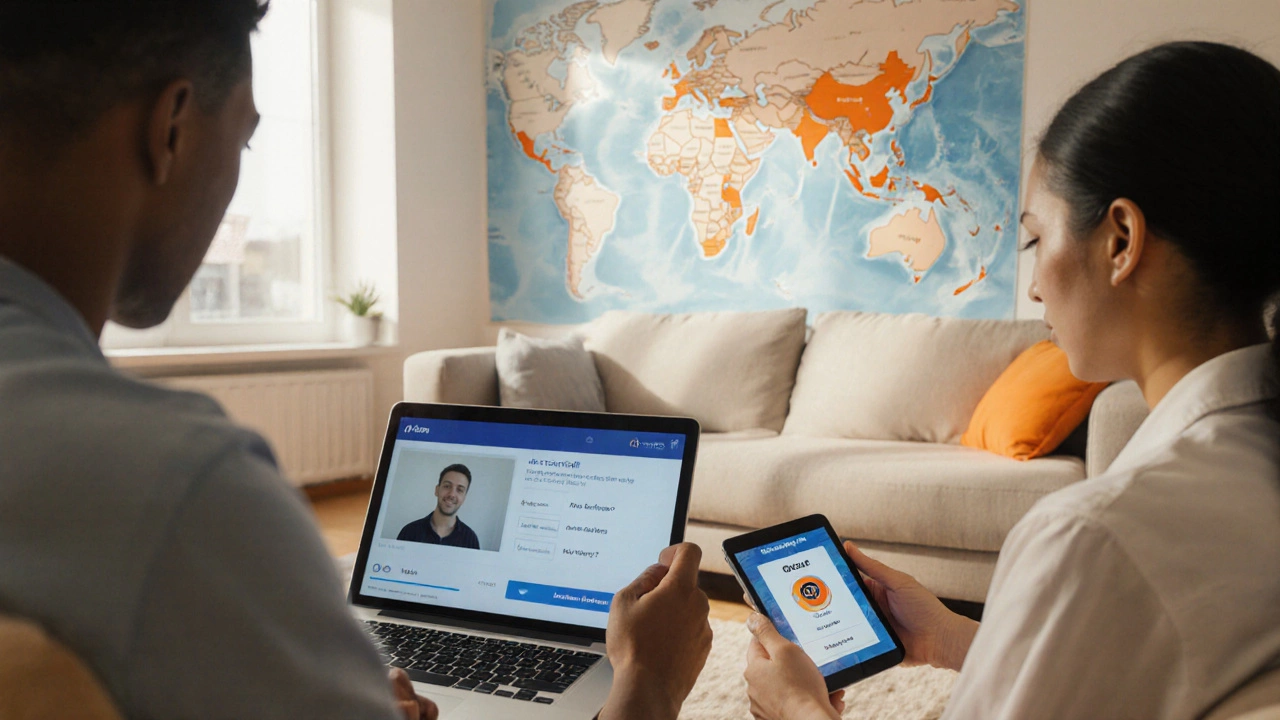
Discover real‑world eLearning examples-from MOOCs and LMSs to gamified apps-plus how they work, benefits, and tips for picking the right solution.