Is Google Classroom a LMS? Here's What It Really Does
Google Classroom helps teachers assign and grade work, but it's not a full learning management system. Learn what it can and can't do compared to real LMS platforms like Canvas or Moodle.
When you think about learning online, you’re probably thinking of a LMS, a learning management system that organizes, delivers, and tracks educational content. Also known as an e-learning platform, it’s the backbone of modern education in India—from coaching centers preparing students for JEE and NEET to universities offering full-degree courses online. It’s not just a place to watch videos. A good LMS gives you quizzes, progress reports, discussion boards, and even live classes—all in one spot. And it’s not just for tech-savvy students anymore. Even rural schools in Bihar and Tamil Nadu are using simple LMS tools to reach kids who can’t sit in crowded classrooms.
What makes an LMS powerful isn’t the fancy interface. It’s what it does behind the scenes. It tells teachers who’s falling behind, helps students revisit tough topics, and lets parents see progress without asking every day. Platforms like Google Classroom, Moodle, and even local Indian tools like Byju’s and Unacademy all run on LMS technology. They’re not just apps—they’re systems that connect students, teachers, and content in a way that’s measurable and repeatable. And because of India’s push for digital education, LMS adoption has jumped fast. Schools that once relied on printed notes now use LMS to assign homework, track attendance, and even run mock exams.
But here’s the real question: Is your LMS helping you learn—or just keeping you busy? Many students log in every day but don’t actually retain anything. That’s because a good LMS isn’t about how many videos you watch. It’s about how well it adapts to your pace, flags weak areas, and gives you feedback you can act on. The best ones use data to suggest practice problems, remind you of deadlines, and even match you with peers who are struggling with the same topic. That’s not magic. That’s smart design.
Behind every successful LMS is a clear goal: make learning stick. Whether you’re prepping for UPSC, studying for an MBA, or learning to code in three months, the right system cuts through the noise. You’ll find posts here that break down which LMS tools Indian students actually use, what features matter most, and how to spot a platform that’s just selling bells and whistles. You’ll also see how teachers are using LMS to handle massive classes without burning out. This isn’t theory. It’s what’s happening in homes, coaching centers, and colleges across the country right now.
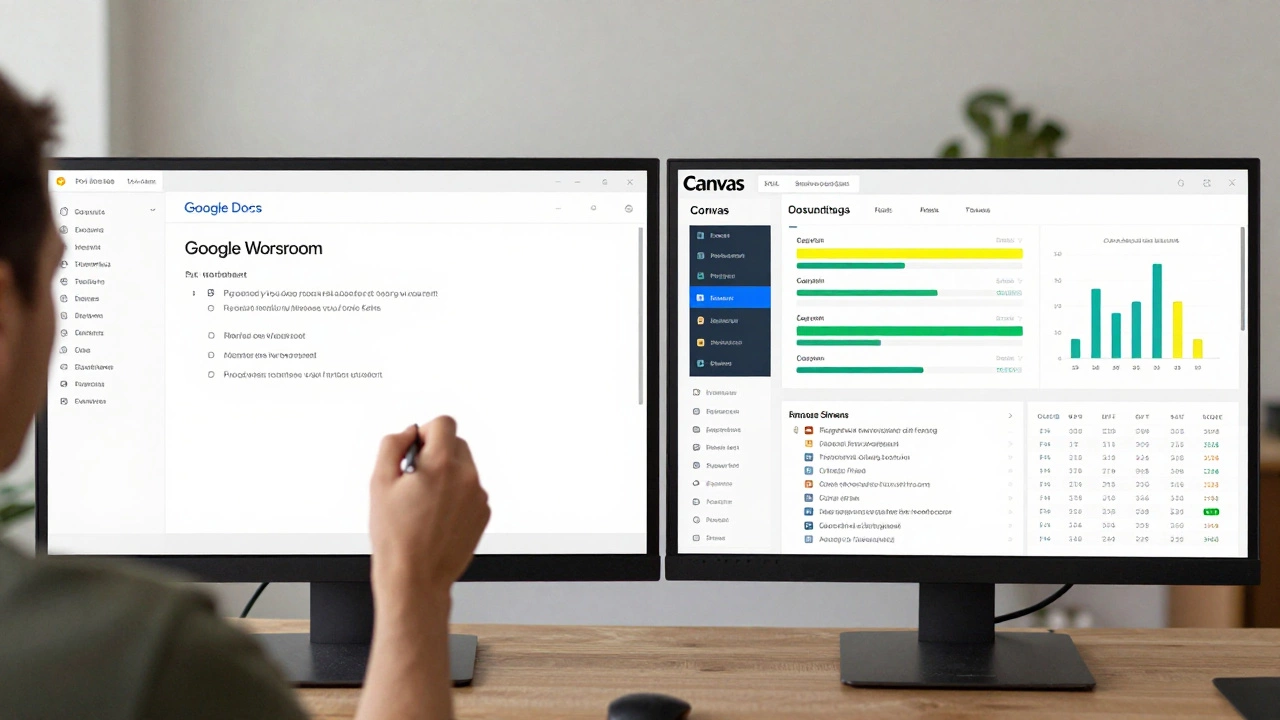
Google Classroom helps teachers assign and grade work, but it's not a full learning management system. Learn what it can and can't do compared to real LMS platforms like Canvas or Moodle.
Explore the three main types of e‑learning platforms-LMS, MOOC, and corporate training solutions-learn their features, key differences, and how to choose the right one for your needs.

Discover real‑world eLearning examples-from MOOCs and LMSs to gamified apps-plus how they work, benefits, and tips for picking the right solution.

LMS, or Learning Management System, is a cornerstone of modern education technology, transforming the way institutions and organizations deliver courses and training. LMS platforms streamline administrative tasks, enhance student engagement, and offer flexible learning opportunities. This article explores the definition, evolving impact, and future of LMS, highlighting its critical role in online education. By understanding the key features and benefits, educators and learners can make the most out of these platforms.