Lifelong Learning: Why It Matters and How to Make It Work for You
When you think of education, you probably picture school, college, or coaching classes. But lifelong learning, the ongoing, voluntary pursuit of knowledge for personal or professional growth. Also known as continuous education, it’s what keeps people ahead when exams change, industries shift, or jobs disappear. This isn’t about going back to university. It’s about learning coding after 30, mastering English speaking apps while working, or studying for UPSC while managing a family. It’s the quiet habit of people who don’t wait for permission to grow.
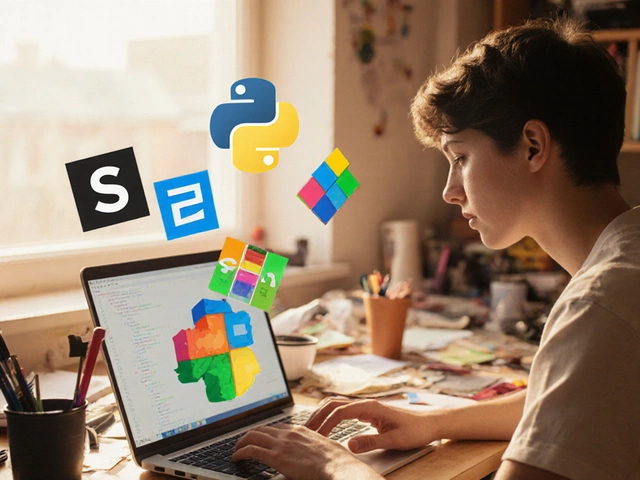
Real lifelong learners don’t wait for degrees. They use e-learning platforms, online systems that deliver courses outside traditional classrooms. Also known as online learning types, they let you pick up skills like programming or exam prep on your own schedule. Think of it like this: if you’re preparing for JEE Mains, you’re not just memorizing formulas—you’re building problem-solving muscles that help you later in life. Same with MBA programs after 30. You’re not just chasing a credential—you’re learning how to lead, manage stress, and adapt. And when you’re learning to code in three months, you’re not just writing Python—you’re training your brain to tackle new things fast. That’s lifelong learning in action.
What makes this different from school? It’s self-driven. You don’t have a teacher forcing you. You choose what to learn, when, and why. That’s why it works for people switching careers, moving from a government job to startups, or upgrading skills after losing a job. It’s not about being the smartest person in the room. It’s about being the one who keeps showing up. The posts below show how people in India are doing this—whether they’re cracking UPSC after years out of school, learning to code without a tech background, or using apps to speak English fluently while working full-time. You’ll see real examples of how learning doesn’t end at graduation. It just changes shape.