Learn to Code
When you decide to learn to code, the process of writing instructions computers can follow to perform tasks. Also known as programming, it’s not about being a math genius—it’s about solving problems step by step, one line at a time. You don’t need a computer science degree. You don’t need to be young. You just need to start.
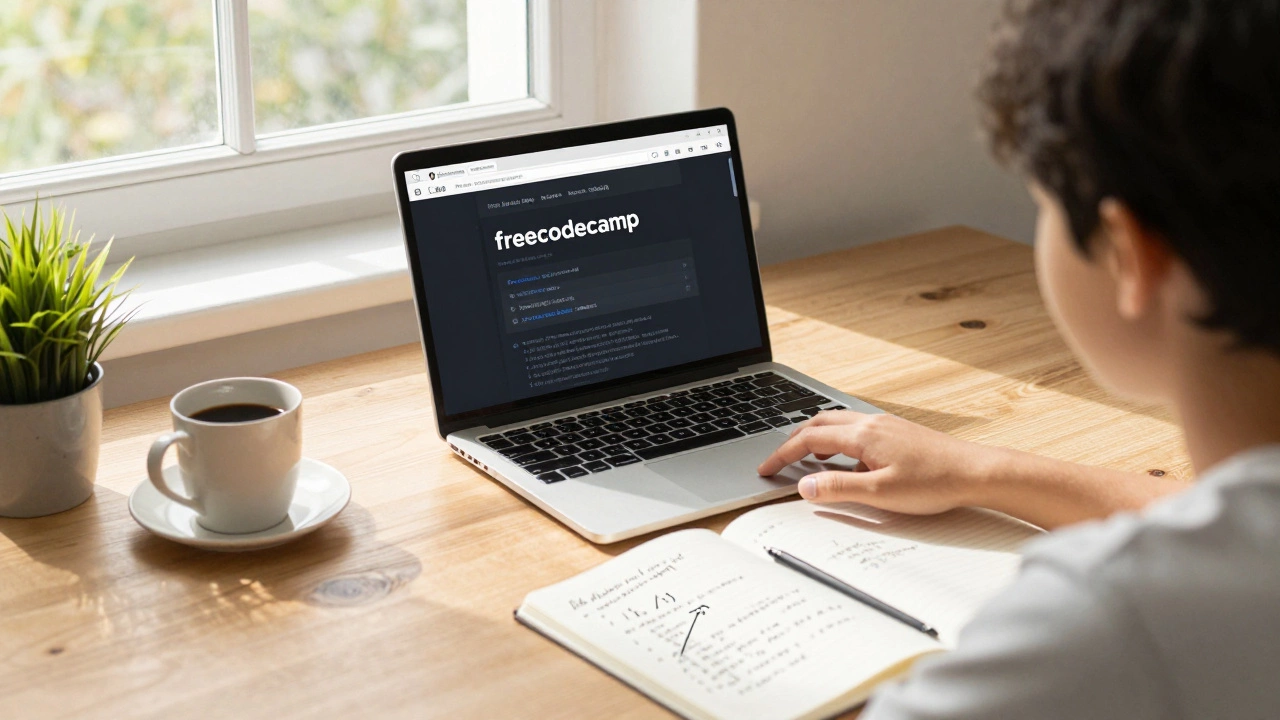
Most people who learn to code begin with one of three paths: web development, data analysis, or automation. If you want to build websites, you’ll start with HTML, CSS, and JavaScript. If you’re drawn to numbers and patterns, Python is your best friend. If you’re tired of doing the same task over and over in Excel, scripting with Python or Bash will save you hours. These aren’t abstract ideas—they’re tools people use every day to get real work done. coding bootcamp, intensive, short-term training programs designed to turn beginners into job-ready coders have become a popular shortcut for career changers. And online learning platforms, websites that offer structured coding lessons, often with projects and feedback like freeCodeCamp, Codecademy, or YouTube tutorials make it possible to learn from your phone, at 11 PM, in pajamas.
What most beginners don’t tell you is that the hardest part isn’t the syntax. It’s staying consistent. You’ll hit walls. You’ll copy-paste code you don’t understand. You’ll feel like everyone else is ahead of you. That’s normal. The people who succeed aren’t the smartest—they’re the ones who keep going even when they’re stuck. That’s why the posts below cover real timelines (like learning to code in 3 months), the tools that actually work for beginners, and how to avoid the burnout trap. You’ll find advice from people who switched careers, failed their first project, and still landed jobs. You’ll see what skills matter most to employers—not the flashy frameworks, but the ability to debug, ask questions, and learn from mistakes. This isn’t about becoming a software engineer overnight. It’s about building something, even if it’s small, and then building the next thing. And the next. That’s how it actually works.