Interactive eLearning: What It Is and How It’s Changing Study in India
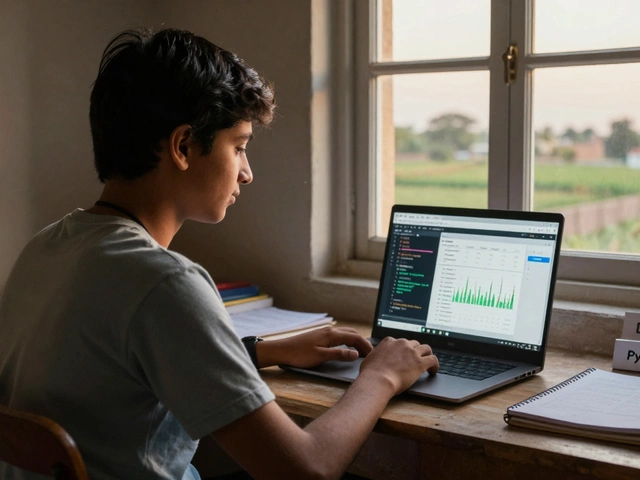
When you think of interactive eLearning, a digital learning method that responds to the learner’s actions with quizzes, simulations, and real-time feedback. Also known as active online learning, it’s not just watching videos—it’s doing, testing, and adjusting as you go. This isn’t theory. In India, where millions prep for JEE, NEET, UPSC, and MBA entrance exams, passive learning doesn’t cut it anymore. Students need systems that adapt to their mistakes, highlight weak spots, and keep them engaged for hours. That’s what interactive eLearning delivers.
It works by turning study time into a two-way conversation. Think of apps that give you instant feedback after a mock test, or platforms that simulate a chemistry lab you can’t afford in school. These tools use e-learning platforms, digital systems designed to deliver, track, and manage educational content like LMS and MOOCs to make learning stick. They’re not replacing teachers—they’re giving them superpowers. A teacher can now see exactly where 80% of students get stuck on a math concept, and adjust lessons in real time. Meanwhile, students get personalized paths: if you keep missing probability questions, the system serves you more of those until you master them.
What makes this different from old-school online courses? digital education, the use of technology to deliver learning experiences outside traditional classrooms used to mean uploading PDFs and calling it a day. Interactive eLearning demands participation. It’s the difference between reading a recipe and actually cooking while a chef corrects your knife grip. In India, where coaching centers charge thousands for live classes, this tech is leveling the field. A student in a small town can now get the same feedback loop as someone in Delhi—through a phone, for a fraction of the cost.
And it’s not just for exams. Whether you’re learning to code, improving English speaking, or prepping for a government job, interactive tools make progress visible. You don’t just finish a lesson—you earn badges, track streaks, and compete with peers. That’s why top competitive exam apps in 2025 are built around this model. They know attention spans are short. So they break content into 5-minute challenges, use gamified quizzes, and give instant explanations when you’re wrong. No waiting for a teacher to grade your paper. No guessing if you’re on the right track.
You’ll find posts here that break down exactly how these platforms work, which ones Indian students swear by, and how to use them without burning out. Some compare the best study apps. Others show how mental ability and exam pressure are managed through smart design. There’s even a guide on picking the right e-learning platform based on your goal—whether you’re aiming for NIT admission or a career shift after 30. This isn’t about flashy tech. It’s about making learning feel less like a chore and more like a game you’re actually winning.