IIT JEE: What It Takes to Crack India's Toughest Engineering Exam
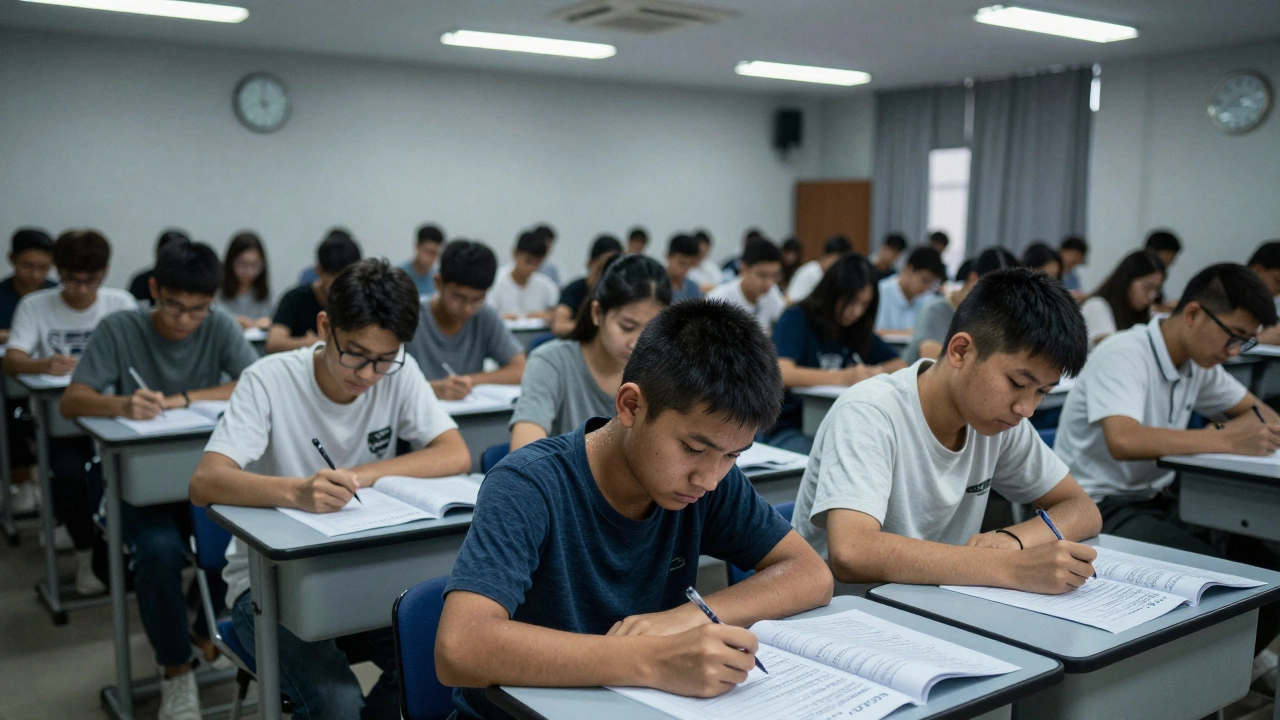
When you hear IIT JEE, India's premier engineering entrance exam that determines admission to the Indian Institutes of Technology. Also known as Joint Entrance Examination, it's not just a test—it's a filter that sorts out the top 2% of over a million students each year. This isn’t another school exam. It’s a marathon of mental stamina, precision, and strategy that starts years before the actual test day.
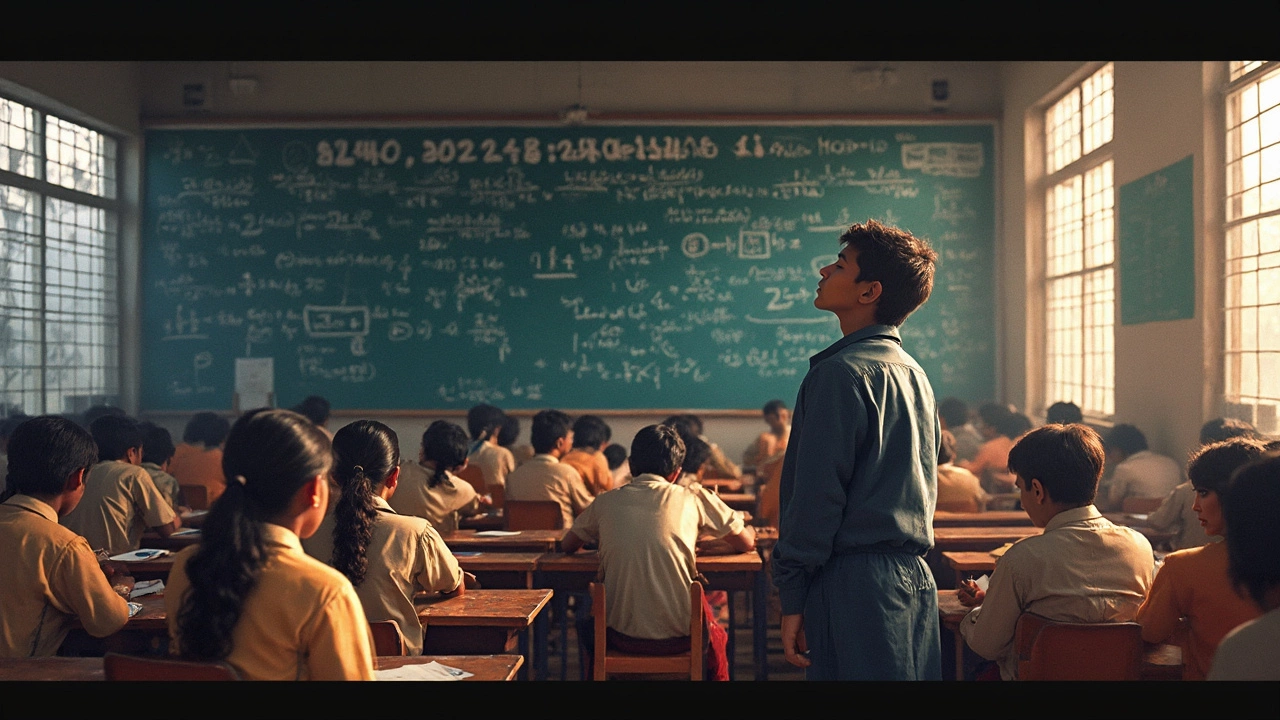
The exam splits into two parts: JEE Main, the qualifying round that opens doors to NITs, IIITs, and other government engineering colleges, and JEE Advanced, the even harder second stage that only the top 2,50,000 from JEE Main can enter—and only then can they compete for IIT seats. What gets you through isn’t just memorizing formulas. It’s pattern recognition under pressure, the ability to solve problems you’ve never seen before, and mental endurance that rivals a marathon runner’s. Schools like Allen, FIITJEE, and Resonance don’t just teach syllabus—they train students to think like engineers before they ever step into a classroom.
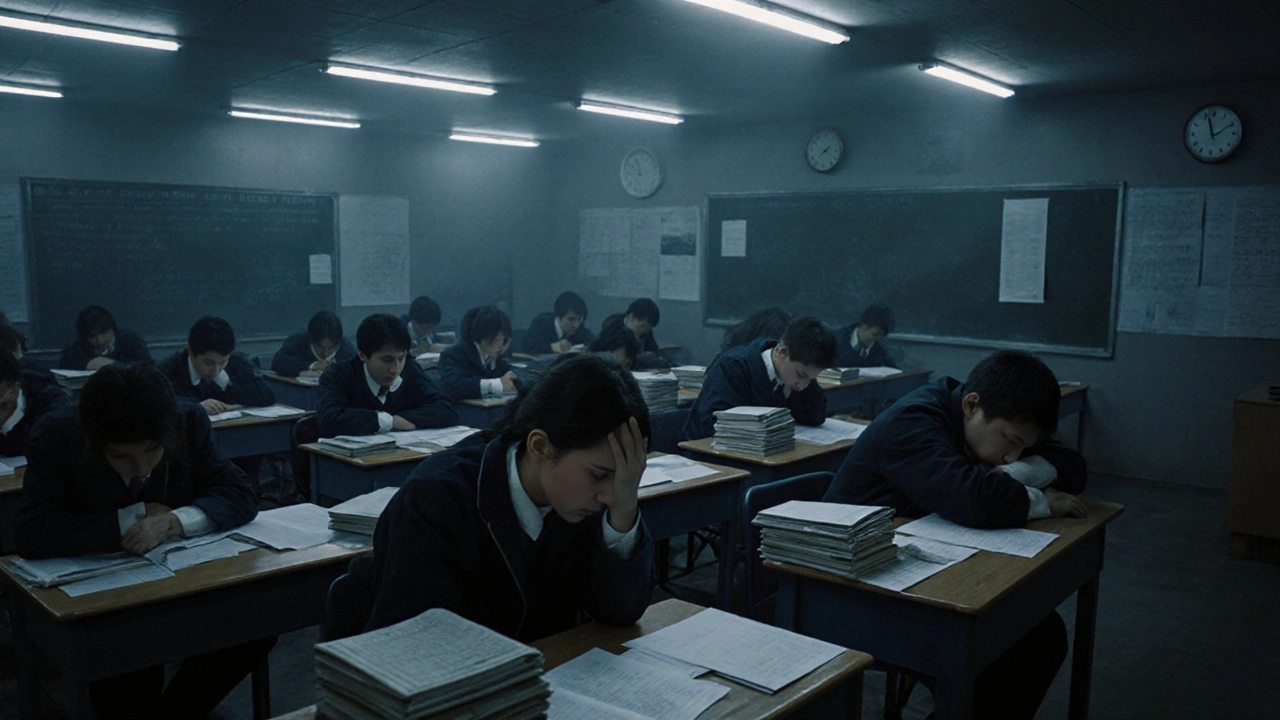
And it’s not just about hard work. The real differentiator? How you manage stress, sleep, and self-doubt. Studies show top JEE rankers don’t study 16-hour days—they study smart, review mistakes religiously, and know when to rest. They use mock tests not to check scores, but to understand their thinking gaps. And they don’t compare themselves to others—they track their own progress week by week.
You’ll find posts here that break down exactly what mental skills matter most in JEE Mains, what percentile you need for NITs, which subjects scare students the most, and how to avoid burnout while staying sharp. No fluff. No vague advice. Just real strategies from people who’ve been there—and won.