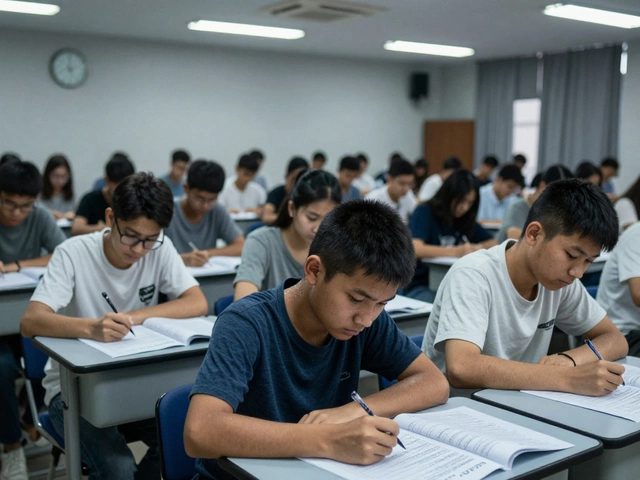
Is IIT JEE the Toughest Exam in India? Detailed Analysis and Facts
Is IIT JEE really India's toughest exam? Get facts, stats, and honest insights about what makes this engineering entrance exam a massive challenge for aspirants.
When it comes to IIT admission, the highly competitive process to enter India's premier engineering institutes through the JEE Advanced exam. Also known as IIT entrance, it’s not just another exam—it’s a national event that shapes careers for over a million students every year. Every year, more than 200,000 students qualify for JEE Advanced, but fewer than 12,000 get into any of the 23 IITs. That’s less than 6% acceptance rate. This isn’t luck. It’s preparation built over years, not months.
JEE Advanced, the final and toughest stage of India’s engineering entrance system, directly determines IIT admission is the gatekeeper. It’s not about memorizing formulas—it’s about solving problems you’ve never seen before, under time pressure, with zero room for error. The syllabus covers physics, chemistry, and math at a level far beyond school boards. And while CBSE students often have an edge because their curriculum aligns closely, students from state boards can and do crack it—just with more targeted prep. What really separates winners isn’t raw intelligence—it’s pattern recognition, speed, and mental stamina. Studies from IIT Delhi’s counseling data show that top rankers spend at least 6-8 hours a day in focused practice, not just studying.
IIT cutoff, the minimum rank or percentile needed to secure a seat in a specific IIT and branch changes every year based on exam difficulty and applicant numbers. For top branches like Computer Science at IIT Bombay or Delhi, you typically need to be in the top 500 ranks. For less popular branches or newer IITs, you might make it with a rank under 5,000. But here’s the truth: many students fixate on the cutoff and miss the bigger picture. What matters more is consistency. One student who scores 95% in mock tests but panics in the real exam will lose to someone who scores 85% but stays calm and methodical. The exam tests your ability to perform under pressure as much as your knowledge.
There’s no magic shortcut. Coaching helps, but only if you’re already putting in the work. Many top performers didn’t join expensive institutes—they used free YouTube resources, solved past papers religiously, and tracked their mistakes in a journal. The real secret? It’s not about how hard you study, but how smart you review. A 2023 analysis of JEE Advanced qualifiers found that those who revised their errors weekly were 40% more likely to improve their rank than those who just did new problems.
If you’re aiming for IIT admission, you’re not just preparing for an exam—you’re building discipline, resilience, and problem-solving muscle. The path is narrow, but it’s walkable. The posts below give you real, no-fluff insights: what actually gets you through JEE Advanced, how to handle the pressure, what to do if you miss your target, and how to turn your preparation into a long-term skill—not just a one-time test.

Is IIT JEE really India's toughest exam? Get facts, stats, and honest insights about what makes this engineering entrance exam a massive challenge for aspirants.

Curious about what rank lands you in an IIT? This article breaks down the actual numbers you need for different IITs and branches, explains how the admission process works, and gives actionable tips to boost your chance at grabbing a seat. Benefit from insights about category-wise cutoffs, stay aware of smart preparation strategies, and get answers to common doubts about JEE ranks. It's your quick, straightforward guide to turning your JEE dreams into reality.

Navigating the vast sea of choices for IIT JEE branches can be daunting for aspiring engineers. This guide breaks down the most popular branches, considering future prospects, personal interests, and market demands. It provides valuable insights into each field, helping students make informed decisions about their careers. Understanding the nuances and specializations within IIT can set the groundwork for lifelong professional success.