NEET Opposition in India: States Challenging the National Medical Entrance Exam
This article explores which Indian states oppose NEET, why the resistance exists, the impact on students, and the ongoing legal and political debates.
When we talk about education policy, the official framework that guides how schools, exams, and colleges operate in India. It's not just paperwork—it's what decides whether your child takes the CBSE board, why JEE and NEET exist the way they do, and how many students even get a shot at the UPSC. This isn’t some distant government document. It’s the invisible hand shaping your daily study schedule, your coaching center’s syllabus, and even whether your MBA after 30 makes sense.
Take CBSE, the most popular school board in India, with over 20 million students. Central Board of Secondary Education is designed to align with national competitive exams like JEE and NEET. That’s not an accident—it’s policy. The same policy that pushes vocational education as an alternative to traditional degrees, and that’s why posts about vocational vs academic education, how skill-based training differs from classroom learning are rising in popularity. It’s also why the toughest exams in the world—Gaokao, UPSC, and IIT JEE Advanced—are all deeply tied to how India structures its learning system.
And it’s not just about exams. The policy affects who gets to teach, how teachers are trained, and whether online learning platforms can even operate legally. It’s why you see so many posts about e-learning platforms, tools like LMS and MOOCs that are now part of India’s education infrastructure. The government doesn’t just set syllabi—it’s trying to digitize access, reduce regional gaps, and make degrees more valuable. But here’s the catch: policy changes fast. What was true last year might not hold now. That’s why you need real examples, not theory.
You’ll find posts here that show you how this policy plays out on the ground: why some degrees are useless for UPSC, why mental ability matters more than rote memorization in JEE Mains, and how CBSE’s global reach isn’t just about numbers—it’s about standardization. You’ll see how the toughest MBA programs demand more than grades—they demand adaptability to a system that’s always shifting. And you’ll understand why competition isn’t just about effort—it’s built into the structure.
This isn’t a list of rules. It’s a map. A map of how your choices—what you study, where you prepare, which exam you take—are all shaped by something bigger than you. And if you want to win in India’s education system, you need to know how the game is set up. Below, you’ll find real stories, hard data, and practical insights from students, teachers, and professionals who’ve navigated it all.
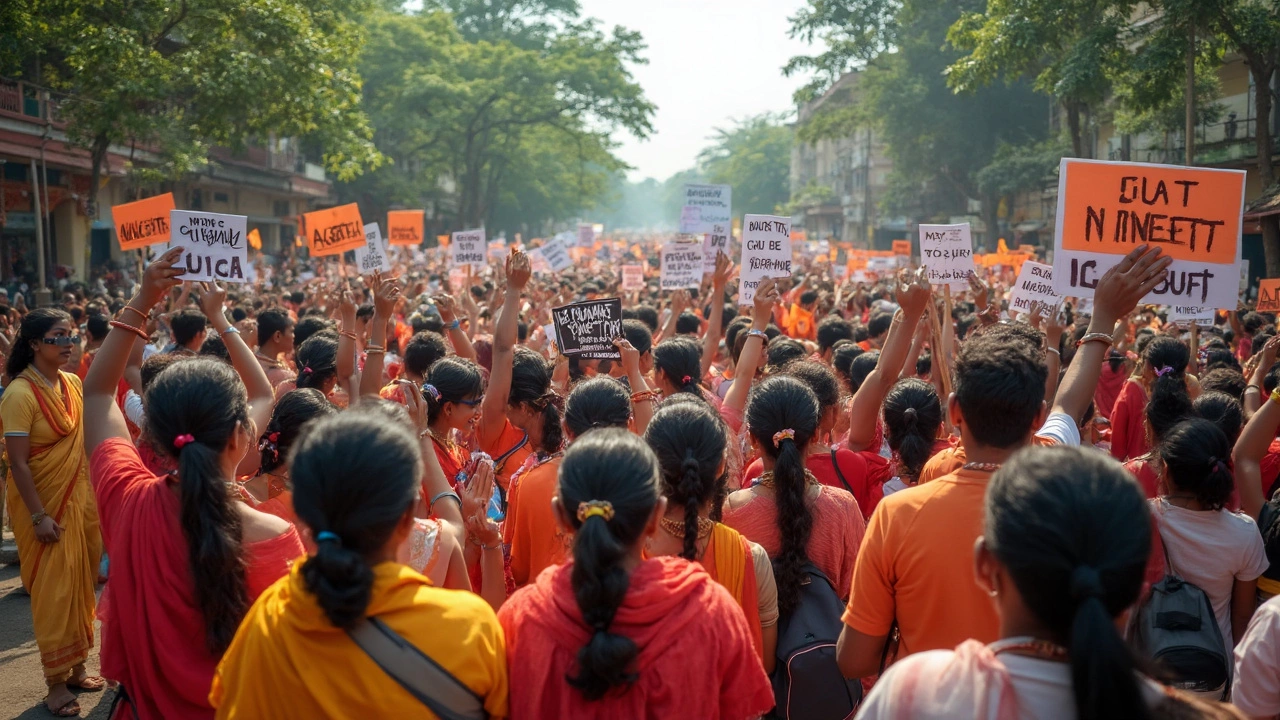
This article explores which Indian states oppose NEET, why the resistance exists, the impact on students, and the ongoing legal and political debates.