CBSE Board: What You Need to Know About India’s Most Popular School System
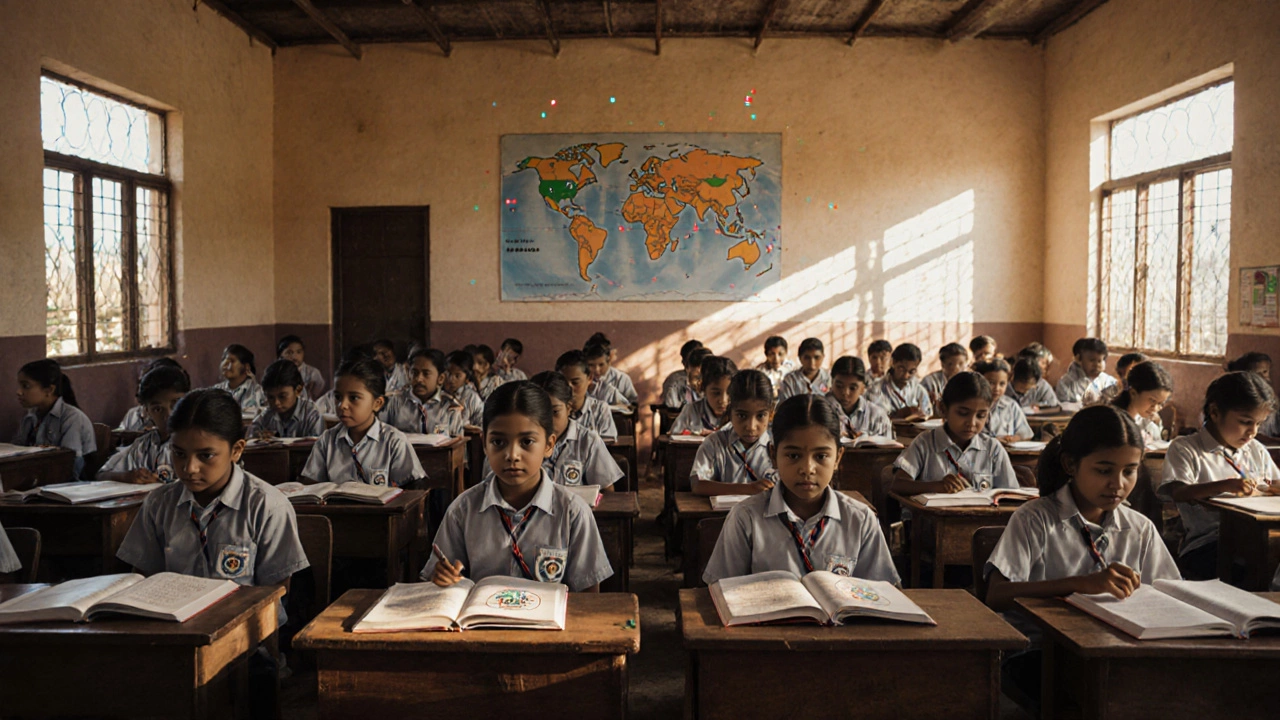
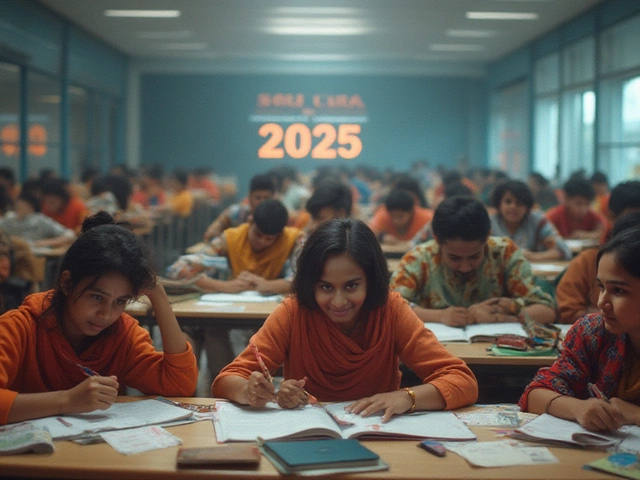
When it comes to school education in India, the CBSE board, the Central Board of Secondary Education, a national-level body that governs school curricula and exams across India. Also known as Central Board of Secondary Education, it controls the syllabus for over 20,000 schools and administers the Class 10 and Class 12 board exams that millions of students take every year. If you’re a student, parent, or teacher in India, you’ve likely interacted with the CBSE board—whether it’s filling out an exam form, checking a result, or preparing for the Class 12 science stream.
The CBSE board isn’t just about exams. It shapes how students learn, what subjects they focus on, and even how they prepare for competitive exams like JEE and NEET. Its curriculum is designed to be uniform across states, which makes it easier for families to move without disrupting education. Unlike state boards that vary widely, CBSE keeps things consistent—same textbooks, same exam pattern, same grading scale. That’s why so many private schools, including those in small towns, choose to affiliate with it. It’s also the board most preferred by students aiming for engineering or medical careers because its syllabus aligns closely with the entrance exams.
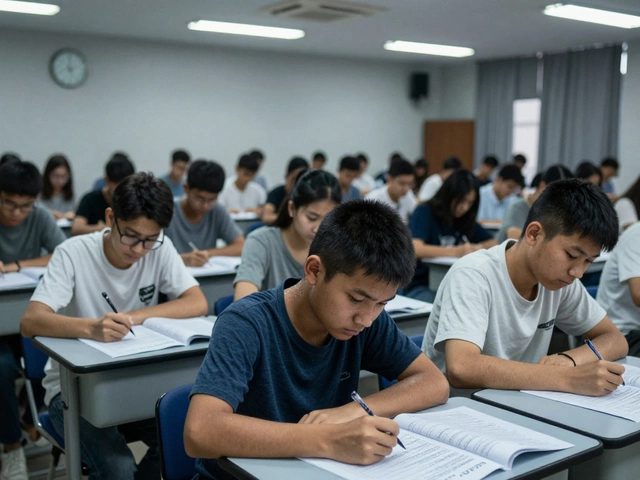
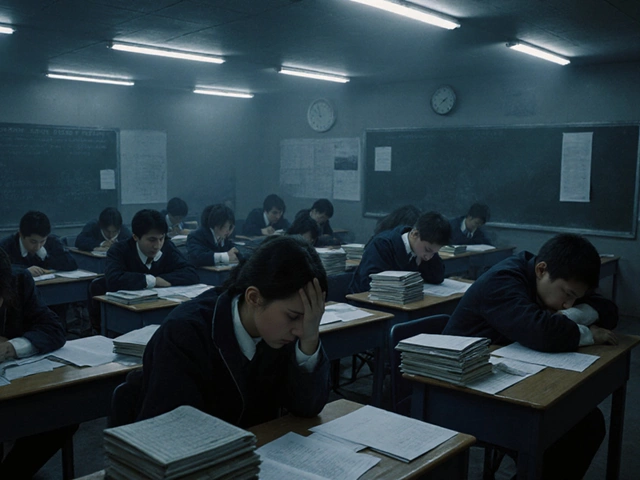
But it’s not all smooth sailing. Many students feel the pressure of CBSE’s high-stakes exams. The Class 10 board exam is often their first major public assessment, and the Class 12 results can make or break college admissions. The board has made changes over the years—reducing syllabus load, introducing term-wise exams, and shifting focus from rote learning to application-based questions. Still, the stress doesn’t vanish. Students still spend months memorizing formulas, practicing sample papers, and chasing perfect scores. And while CBSE has tried to reduce competition by removing the 90% cutoff for top schools, the reality on the ground hasn’t changed much. Parents still compare ranks. Teachers still push for 95+. The system rewards consistency, not just talent.
What you’ll find in the posts below isn’t just theory. It’s real advice from students who’ve navigated CBSE’s toughest subjects, parents who’ve managed exam stress, and teachers who’ve seen what actually works. You’ll see how mental ability plays a role in cracking CBSE-level questions, why some degrees matter more than others for board exam success, and how to turn CBSE preparation into a springboard for bigger goals like JEE or NEET. This isn’t about memorizing chapters. It’s about understanding the system, playing it smart, and coming out stronger on the other side.