Learn Coding in 3 Months: Realistic Timeline, Tips & Roadmap
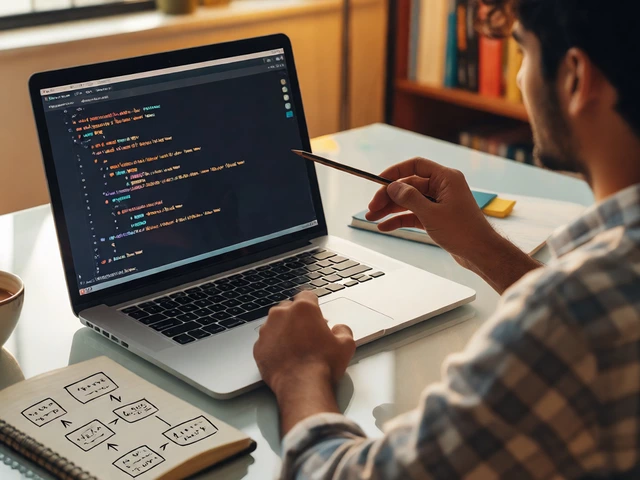
Find out if you can truly learn coding in 3 months, with a realistic timeline, tools, a week‑by‑week roadmap, and tips to avoid common pitfalls.
When you have just 3 months, a focused, high-intensity period to drive change to work with, you don’t have time for guesswork. Whether you’re preparing for the UPSC, aiming for a top MBA, or trying to pass JEE Mains, 3 months is enough to rewrite your future—if you know how to use it. This isn’t about cramming. It’s about strategy, consistency, and cutting out everything that doesn’t move the needle.
Many people think major goals require years. But look at the data: candidates who cracked the UPSC Civil Services Exam, India’s most competitive government recruitment test in under 90 days didn’t study more—they studied smarter. Same goes for those who landed high-paying jobs after an MBA, a postgraduate degree that can transform careers in just a few months of focused prep. It’s not about how long you study. It’s about how you structure your time, what you prioritize, and whether you’re willing to make hard choices.
Want to switch careers? You don’t need to quit your job for two years. People have moved from teaching to tech, from nursing to data analysis, in under 90 days using targeted online courses and daily practice. The trick? Pick one skill. Build a daily routine. Track progress weekly. That’s it. The competitive exams, high-stakes tests like JEE, NEET, and SSC don’t reward luck. They reward preparation that’s sharp, consistent, and aligned with the pattern. And that kind of prep doesn’t need years—it needs focus.
Here’s what you’ll find in these posts: real stories from people who turned 3 months into a turning point. How to crush the toughest exams with limited time. How to build English fluency fast. What to skip when you’re short on hours. Whether an MBA after 30 is still worth it—and how to make it work. You’ll see exactly what top scorers do differently in their final 90 days. No fluff. No theory. Just what works when the clock is ticking.

Find out if you can truly learn coding in 3 months, with a realistic timeline, tools, a week‑by‑week roadmap, and tips to avoid common pitfalls.