Is It Hard to Lose a Government Job? Here’s What Really Happens
Losing a government job isn't impossible-it's just harder. Learn the real reasons people get fired, how the process works, and how to protect your position.
When you think about government job security, the stability and legal protections tied to public sector employment in India and beyond. Also known as civil service employment, it's not about being untouchable—it's about knowing the rules so you don’t accidentally break them. Most people assume once you’re in, you’re safe forever. But that’s not true. People get fired. The process is slow, paperwork-heavy, and often hidden behind bureaucracy—but it happens. And if you’re aiming to stay in, you need to understand what actually triggers termination, not just the myths.
Behind the scenes, toughest MBA programs, high-pressure graduate business degrees at schools like Harvard, Stanford, and INSEAD that demand more than grades—they test your mental stamina and leadership under fire. Also known as elite MBA courses, they’re not just hard because of the workload. They’re hard because they force you to reinvent yourself while juggling internships, networking, and personal burnout. And here’s the twist: you don’t need a business degree to get in. Schools actively want engineers, teachers, artists, and nurses. What matters is how you explain your past and show you can lead. That’s why MBA without business degree, a common path for career changers entering top programs with non-traditional backgrounds. Also known as non-business MBA applicants, it’s not a disadvantage—it’s your edge if you frame it right. The same goes for age. If you’re 30, 35, or even 40, an MBA can still pay off—if you pick the right program and know why you’re doing it.
Meanwhile, the pressure doesn’t stop after college. competitive exams, high-stakes tests like the USMLE, CPA, and India’s UPSC that determine career paths for millions. Also known as entrance exams for professional careers, they’re not just about memorizing facts—they’re endurance tests that break people financially, emotionally, and mentally. The CBSE board, India’s largest school board with over 20 million students and growing global reach due to its standardized, exam-aligned curriculum. Also known as Central Board of Secondary Education, it’s the foundation for most of these exams. Students trained under CBSE are often better prepared for competitive tests than those under other boards—not because it’s easier, but because it’s designed to build test-taking stamina from day one. And that’s where the real question lies: is competition healthy? Or does it just create anxiety disguised as motivation? The science says it depends on how you handle it. Push too hard, and you burn out. Push smart, and you build resilience.
What you’ll find below isn’t a list of random articles. It’s a map of the real challenges students, professionals, and parents face in India’s education and career system right now. From how to protect your government job to whether an MBA after 30 is worth the cost, from the brutal truth about the toughest exams to why CBSE dominates the world—every post here answers questions people are actually asking. No theory. No fluff. Just what works, what doesn’t, and why.

Losing a government job isn't impossible-it's just harder. Learn the real reasons people get fired, how the process works, and how to protect your position.

The toughest MBA programs aren't just academically demanding-they test your resilience, mental health, and ability to lead under pressure. Here's what makes Harvard, Stanford, INSEAD, Wharton, and LBS truly challenging.

Is competition in exams healthy? Learn how to stay driven without burning out. Science-backed tips for managing stress, avoiding toxic comparison, and building real resilience in competitive exam prep.

The USMLE Step 2 CK, California Bar Exam, and CPA Exam are among the toughest in the USA. Learn why these tests break candidates mentally, financially, and emotionally-and what it takes to pass.
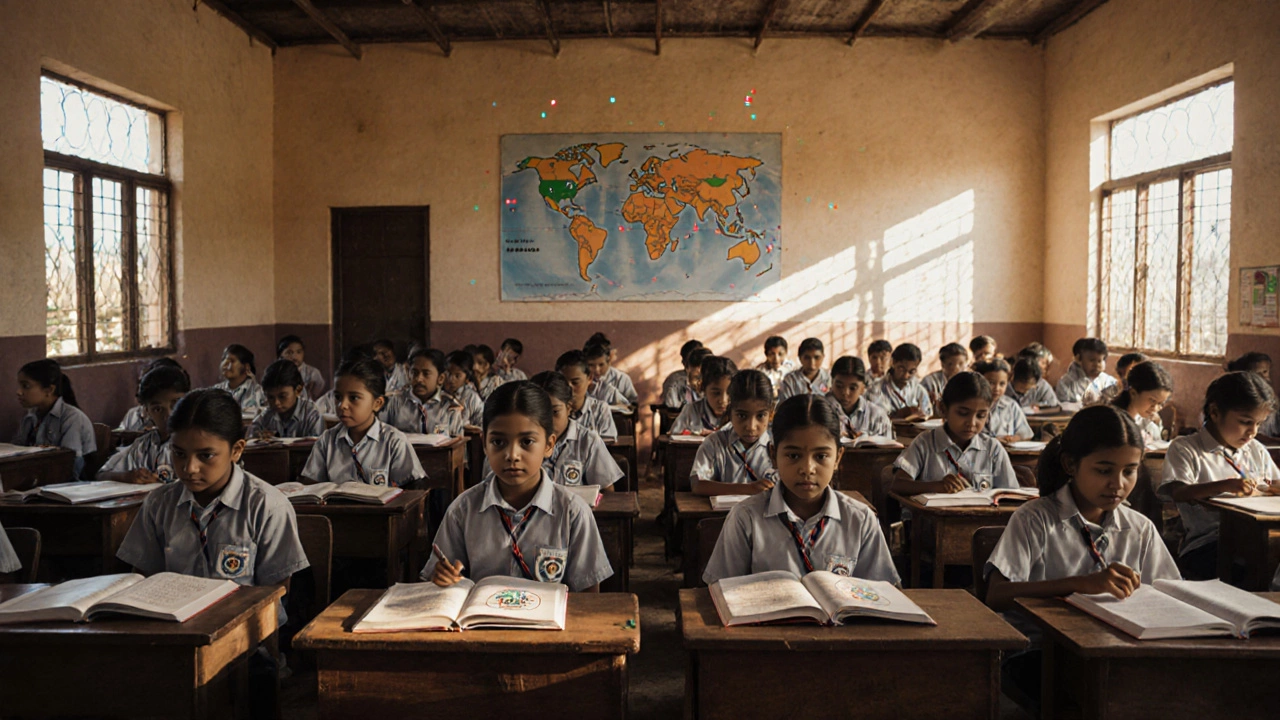
CBSE is the most popular school board in the world, with over 20 million students. It dominates in India and has a growing global presence due to its standardized syllabus, alignment with competitive exams, and affordability.

Is an MBA worth it after 30? Real data from UK programs shows it can boost salary, open leadership doors, and enable career pivots-if you choose the right program and have clear goals.

You don't need a business degree to get an MBA. Schools value diverse backgrounds. Learn what really matters for admission, how to fill knowledge gaps, and how to turn your non-business past into a strength.