UPSC CSE: What It Takes to Crack India’s Toughest Civil Service Exam
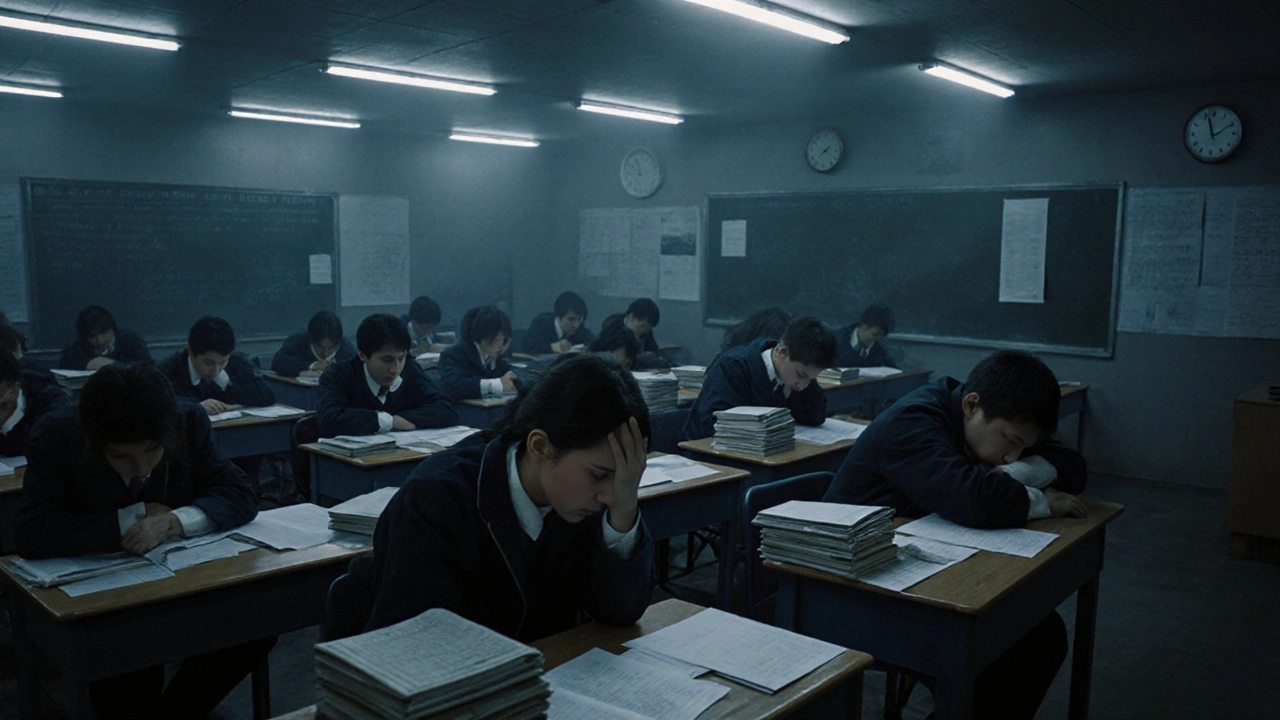
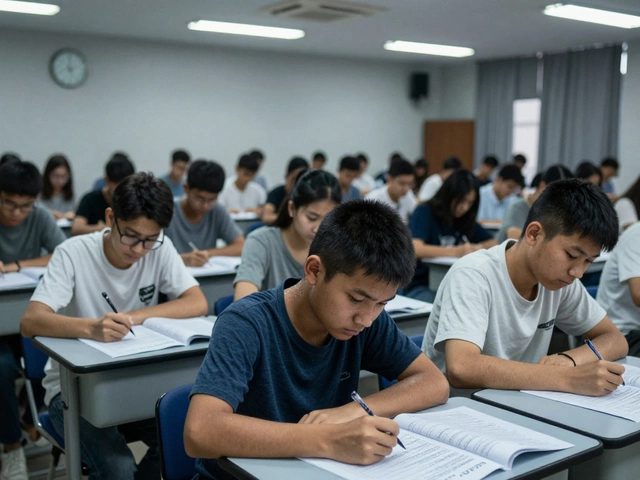
When you hear UPSC CSE, India’s Union Public Service Commission Civil Services Examination. Also known as IAS exam, it’s the gateway to top government roles like IAS, IPS, and IFS. This isn’t just another test. It’s a multi-stage marathon that filters out over 99% of applicants. Every year, more than 10 lakh people apply. Fewer than 1,000 clear it. And those who do? They’re not just smart—they’re disciplined, strategic, and mentally tough.
What makes UPSC CSE different from other competitive exams? It’s not just about memorizing facts. It tests how you think, how you connect ideas, and how you handle pressure over months, sometimes years. The syllabus covers everything from Indian history to global economics, from public administration to ethics. You need to understand policies, not just recite them. And the interview? That’s where you prove you’re not just a good student—you’re a leader in the making.
Success here doesn’t depend on your college or background. It depends on your approach. Many toppers come from small towns, with limited coaching, using free YouTube videos and old question papers. What they share? A clear plan, daily consistency, and the ability to learn from failure. The exam rewards those who can balance depth with breadth, who can write clearly under time limits, and who stay calm when the stakes are highest.
Related entities like competitive exams in India, high-stakes national tests like JEE, NEET, and SSC often focus on speed and accuracy. UPSC CSE is different. It’s about depth, analysis, and long-term retention. You’re not just studying for a paper—you’re preparing for a career that shapes public policy. That’s why coaching centers, apps, and study groups exist—but none of them matter if you don’t build your own understanding.
And here’s the truth most won’t tell you: You don’t need to be the smartest person in the room. You just need to be the most consistent. The person who reads one newspaper daily, revises notes every weekend, and writes answers even when tired will outperform someone who crams for 12 hours the night before. The exam rewards habits, not luck.
Below, you’ll find real stories and hard truths from people who’ve been through it. Whether it’s how to pick optional subjects, why mental health matters more than you think, or which degrees actually help (and which don’t), the posts here cut through the noise. No fluff. No hype. Just what works.