Top Indian Schools: What Really Sets Them Apart
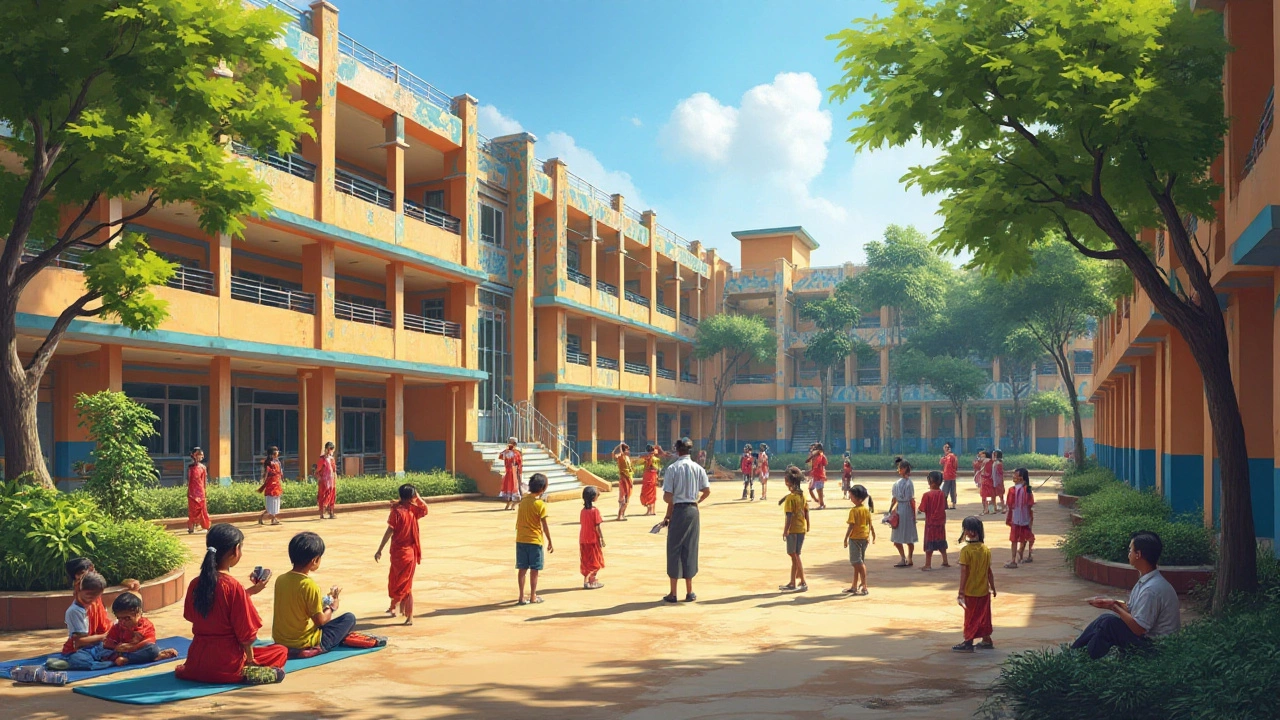
When people talk about Top Indian Schools, elite educational institutions in India known for academic rigor, high exam results, and strong college placements. Also known as premier schools, they’re not just about grades—they’re engines that push students toward competitive exams like JEE, NEET, and UPSC from day one. These schools don’t just teach; they shape how a generation thinks under pressure, manages time, and handles failure.
The real difference? It starts with the CBSE board, the most widely used school curriculum in India and globally, with over 20 million students. Also called Central Board of Secondary Education, it’s the backbone of most top Indian schools because it aligns directly with national entrance exams. Compare that to ICSE board, a more detailed, literature-heavy curriculum favored by private schools in urban centers. Also known as Indian Certificate of Secondary Education, it’s tougher on writing and analysis but doesn’t connect as tightly to engineering or medical entrance tests. That’s why parents in Delhi, Mumbai, or Hyderabad often pick CBSE schools—not because they’re easier, but because they’re engineered for results.
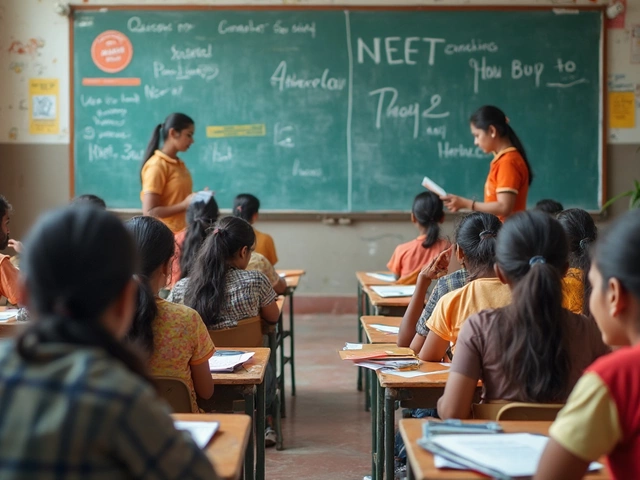
What else makes these schools different? It’s the culture. Top Indian schools don’t wait for students to find motivation—they build systems around it. Daily mock tests, parent-teacher performance reviews, and peer ranking boards are normal. Teachers aren’t just instructors; they’re mentors who track your progress across subjects, not just in math or science but in how you handle stress. These schools know that winning JEE or NEET isn’t about memorizing formulas—it’s about mental stamina, pattern recognition, and strategic practice. And that’s why even students from small towns who get into these schools often outperform peers from bigger cities.
If you’re looking at schools for your child—or even if you’re a student trying to figure out where to focus—know this: the best Indian schools don’t promise perfection. They promise preparation. They give you the structure, the pressure, and the support to turn raw effort into real results. Below, you’ll find real stories, data-backed comparisons, and hard truths about what happens inside these institutions—from the classrooms where students spend 12 hours a day to the coaching centers that become second homes. What you learn here won’t just help you choose a school. It’ll help you understand why some students rise, and others burn out.