Programming Self-Learning: How to Code Without Classrooms or Costs
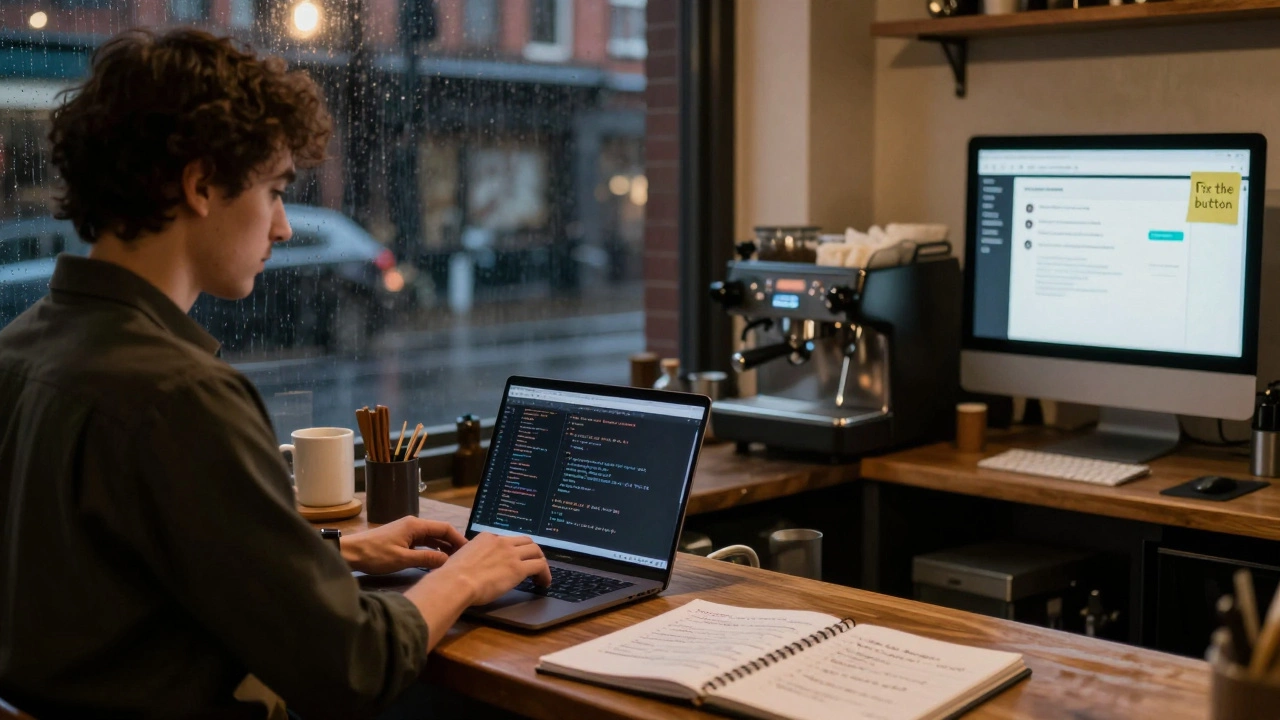
When you start programming self-learning, the process of teaching yourself to write code without formal classes or enrolled courses. Also known as autodidactic coding, it’s how millions of developers today got their start—no tuition, no deadlines, just persistence and practice. You don’t need a computer science degree. You don’t need to wait for a college semester to begin. All you need is a computer, internet, and the willingness to keep going even when the code doesn’t work.
Most people who succeed at programming self-learning, the process of teaching yourself to write code without formal classes or enrolled courses. Also known as autodidactic coding, it’s how millions of developers today got their start—no tuition, no deadlines, just persistence and practice. don’t start with Python or JavaScript because they’re trendy. They start because those languages let them build something useful fast. A simple website. A tool that automates a boring task. A game that runs in their browser. That first win—seeing their own code do something real—is what keeps them going. And it’s why platforms like Google Classroom, a free digital learning environment used by over 150 million students and teachers worldwide. Also known as online learning platform, it provides structure for learners who need guidance and MOOC platforms, massive open online course systems that offer free or low-cost courses from top universities. Also known as online learning types, they give structure without the price tag are so popular. They don’t teach you everything, but they give you the first push.
What separates the people who stick with it from those who quit? It’s not talent. It’s not age. It’s not having the right degree. It’s consistency. One hour a day, five days a week, for six months beats 40 hours in one weekend. The best coders aren’t the ones who memorized every syntax rule. They’re the ones who learned how to Google errors, how to break problems into small pieces, and how to celebrate tiny wins. You’ll hit walls. You’ll feel stuck. That’s normal. Every developer has been there. The difference is they kept going.
What you’ll find in the posts below isn’t theory. It’s what works. Real timelines for learning to code in three months. The best beginner languages in 2025. How to avoid wasting time on useless courses. Where to find free resources that actually teach you skills employers want. You’ll see how people went from zero to job-ready without spending a dollar. No fluff. No hype. Just clear steps, honest results, and the kind of advice you won’t find in a textbook.