Online Education: What Works, What Doesn’t, and How to Choose
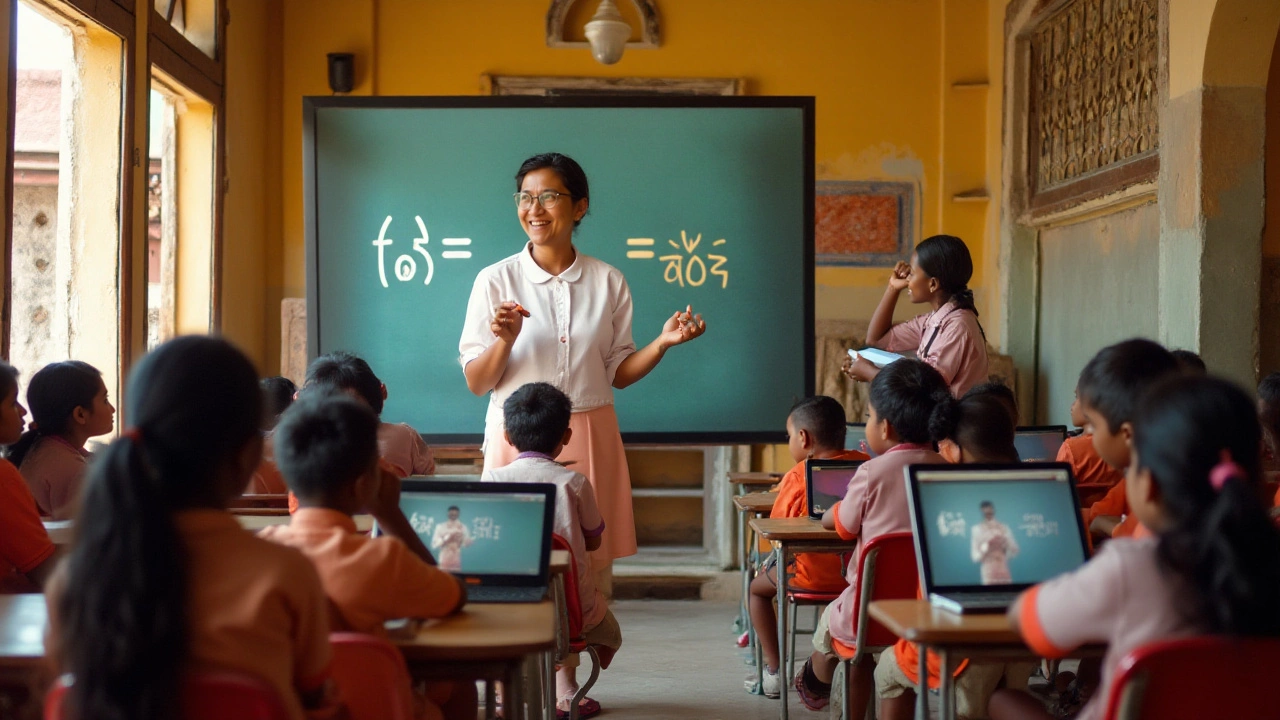
When you think of online education, learning through digital platforms instead of physical classrooms. Also known as e-learning, it’s no longer just a backup option—it’s the main path for millions of Indian students preparing for competitive exams, switching careers, or learning skills like coding and English. It’s not about watching videos on your phone while lying in bed. Real online education means structure, accountability, and tools that actually help you improve.
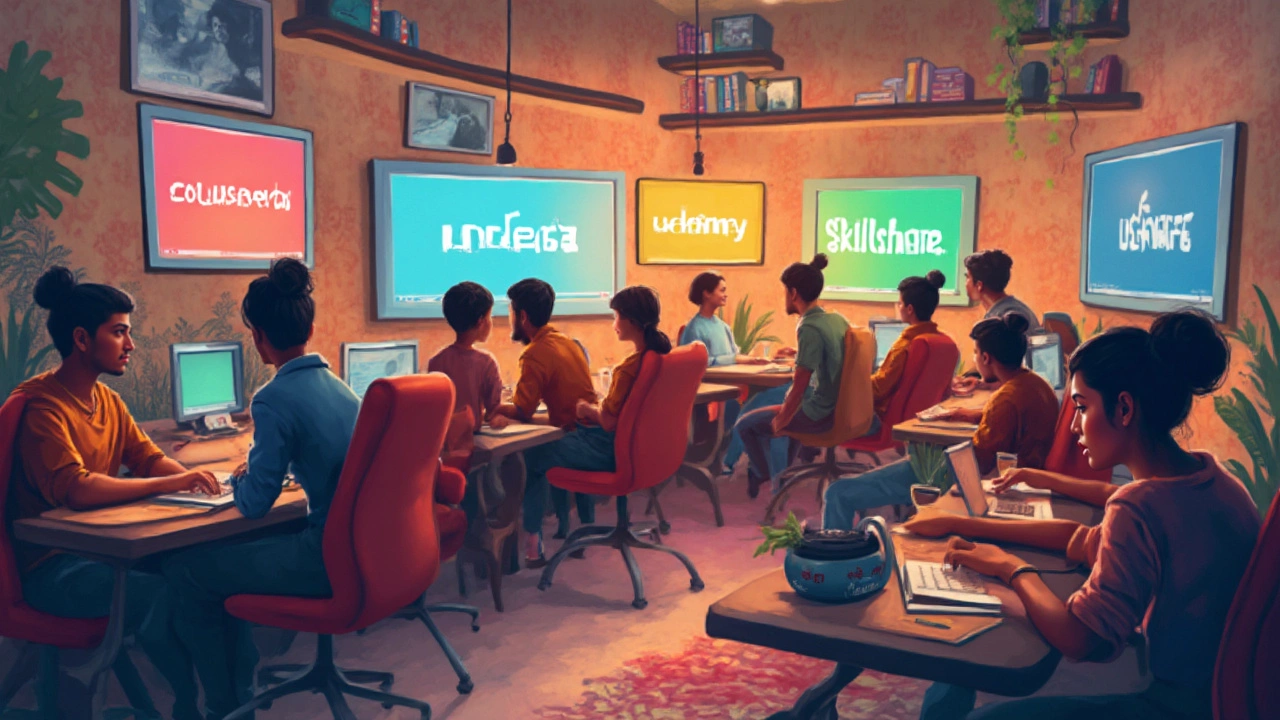
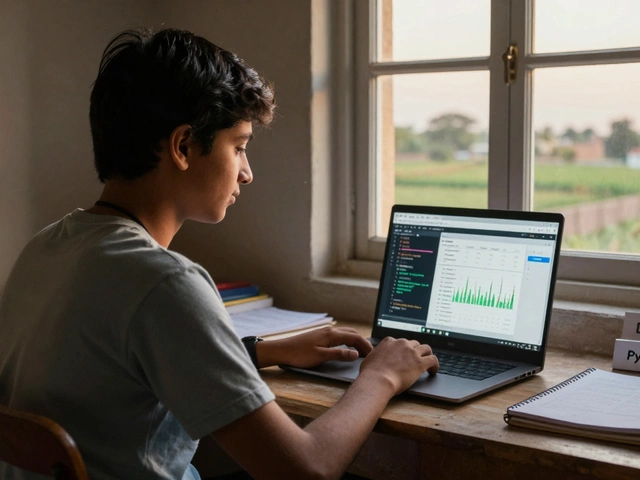
Not all online learning is the same. There are LMS, learning management systems used by schools and coaching centers to track progress, assign tests, and manage course content, like the ones used by top NEET and JEE coaching institutes. Then there are MOOCs, massive open online courses from platforms like Coursera or edX that offer university-level content for free or low cost. And then there are apps—simple, mobile-first tools designed for daily practice, flashcards, or speaking drills. Each type serves a different need. If you’re cramming for UPSC, an LMS with daily mock tests matters more than a MOOC on philosophy. If you’re learning Python from scratch, a structured MOOC with projects beats a random YouTube playlist.
What makes online education work isn’t the platform—it’s how you use it. The best tools don’t just give you content. They give you feedback, track your weak spots, and push you to keep going. That’s why apps for competitive exams are so popular—they turn studying into a habit. You get reminders, streaks, performance graphs. You see your rank improve week after week. That’s motivation you can’t get from a textbook. And it’s why so many students now skip expensive coaching centers and rely on apps and LMS platforms that cost a fraction of the price.
But here’s the truth: online education doesn’t fix bad habits. If you’re easily distracted, no app will help. If you skip practice sessions because "you’ll do it later," you’ll fall behind. The most successful learners treat online education like a job—set a schedule, stick to it, and measure progress daily. That’s the real difference between someone who "took an online course" and someone who actually learned something.
Below, you’ll find real stories and data from students who used online education to crack tough exams, switch careers, or build new skills. Some used MOOCs to land jobs abroad. Others used LMS platforms to go from zero to top 100 in JEE. A few even quit coaching centers altogether and saved thousands. This isn’t theory. It’s what’s working right now—for real people, in India, with real results.