How to Volunteer for Local Government: Steps, Tips, and Real Opportunities
Explore real ways to volunteer for local government, from council boards to advisory groups, and learn how you can genuinely help your community and boost your career.
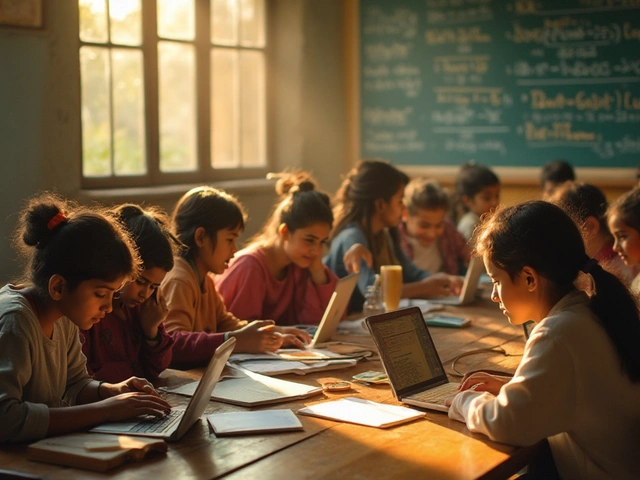
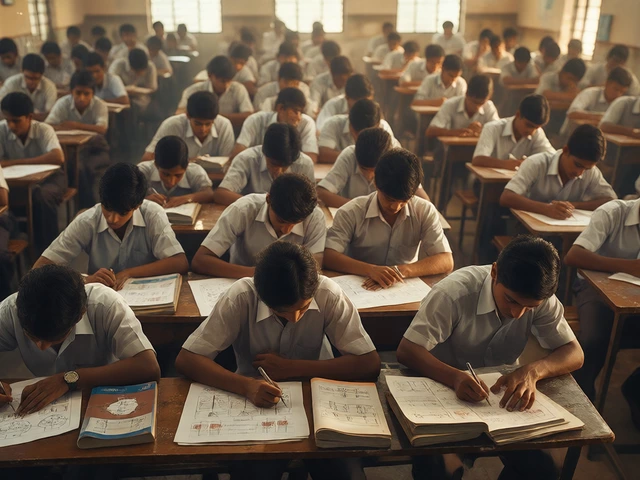
When you think about education in India, you probably think of boards like CBSE or exams like JEE. But right under the surface, in every town and city, there’s a quieter force shaping schools, budgets, and even whether your kid gets a bus ride to class: the local council, a elected body responsible for managing public services like schools, sanitation, and local infrastructure in cities and towns. Also known as municipal corporation, it’s the government body that actually builds classrooms, hires support staff, and decides if a school gets repaired or shut down.
Most people don’t realize how much power local councils have over education. They don’t set the syllabus—that’s CBSE or state boards—but they control the buildings, the toilets, the drinking water, the number of teachers hired, and even whether a school stays open after monsoon damage. In rural areas, the panchayat, a village-level local government body that manages community resources and basic services does the same job. And in cities, the municipal corporation, a larger urban local government responsible for public services like education, waste, and roads handles hundreds of schools. These aren’t just administrative units—they’re the first line of defense for basic education access.
Here’s the thing: if your child’s school has no clean water, broken benches, or no librarian, it’s not because the state doesn’t care. It’s because the local council hasn’t allocated funds or acted on complaints. And if you’re trying to get your kid into a better school, you need to know who to talk to. The education department at the state level sets rules, but the local council makes them real—or doesn’t. That’s why parents in places like Lucknow, Coimbatore, or Bhopal are starting to show up at council meetings. They’re asking: Why does our school have 60 students per class when the norm is 40? Why did the mid-day meal program get cut? Who approved the new school fee hike?
Local councils also decide where new schools are built. If your neighborhood is growing and there’s no nearby school, you need to pressure your ward councillor—not just wait for the state to act. And if you’re thinking about switching boards (like from state syllabus to CBSE), the council has to approve the change and fund the transition. Even teacher recruitment often starts at the local level. A teacher might be hired by the state, but assigned by the council. No council approval? No placement.
There’s no national database of council decisions on education—but if you dig into local news or attend meetings, you’ll find patterns. In some places, councils are investing in digital classrooms. In others, they’re cutting library budgets to pay for streetlights. The same council that runs waste collection also runs your child’s school. That’s why understanding how your local council works isn’t just civic duty—it’s a practical step to improve your child’s education.
Below, you’ll find real stories from parents, teachers, and students who’ve fought for better school conditions, pushed for teacher hires, and forced councils to act. Some won. Some lost. But all of them learned one thing: the system doesn’t change unless you show up.

Explore real ways to volunteer for local government, from council boards to advisory groups, and learn how you can genuinely help your community and boost your career.